New Zealand road trip: itinerary, things to do & good to know
Two-week road trip itinerary across New Zealand, crafted for wildlife and nature lovers, and Hobbit and Lord of the Rings fans.


For UK and European travellers, a trip to New Zealand is no mean feat—24-hour flights, literally across the globe. There is a slight weird feeling of travelling so far yet arriving at a place that is so familiar to home: similar weather, similar rolling hills, similar language, similar sheep-dominated farmlands, and even under the same monarchy. The early British settlers in New Zealand tried to remake this remote island's landscape to look and feel like home: they brought oak trees and a host of predators, such as rats, mice, cats, dogs, and possums, unleashing an ecological disaster that decimated many native flightless bird species, making the surviving ones on the verge of extinction today.
We'll also recognise the unmistakable colonial legacies: Wellington (named after the Duke of Wellington), New Plymouth, Eastbourne, Devonport, Elizabeth Avenue in Christchurch, or the likes of Queenston and Kingston. And the Scottish-sounding place names in the South Island, such as Invercargill and Dunedin.
In this blog, we won't dive into the long-lasting consequences of that period on New Zealand's ecology, or its ongoing fight against invasive species to protect native birds such as the Kiwi. We'll focus more on a New Zealand road trip itinerary.
Itinerary
Day 1: Auckland
Auckland is a natural first stop for most people. The city centre is relatively compact. Spent a day strolling around the harbour front and taking it easy to recover from the jet lag. If you are not self-driving, there are many day tours departing Auckland to popular destinations, such as Hobbiton, Rotorua, and Waitomo Caves.
We had a fabulous dinner at Kingi.
Day 2: Day trip to Rangitoto Island
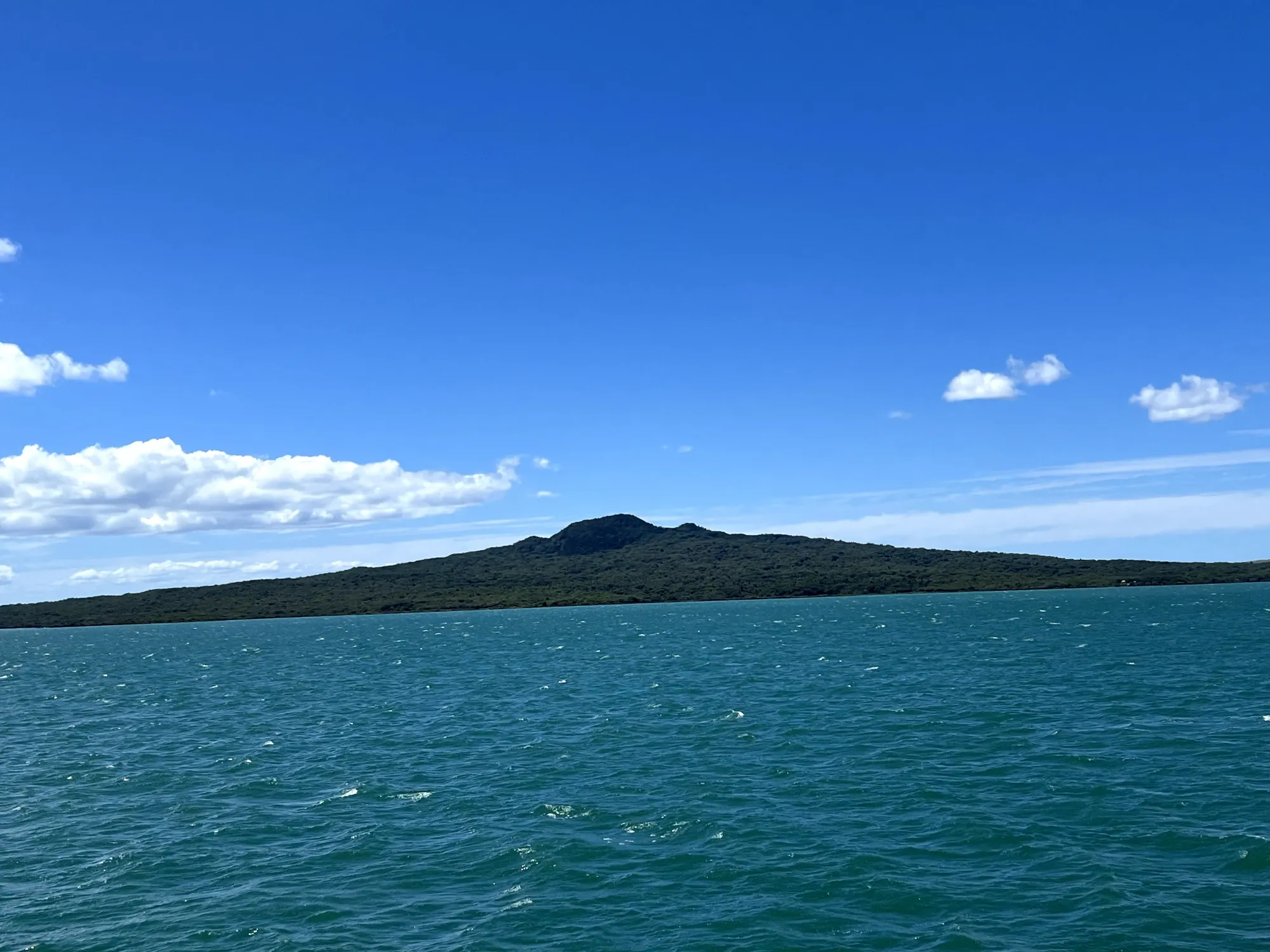
Rangitoto Island is less popular than the nearby Waiheke Island. If we had more time, we'd have loved to visit both.
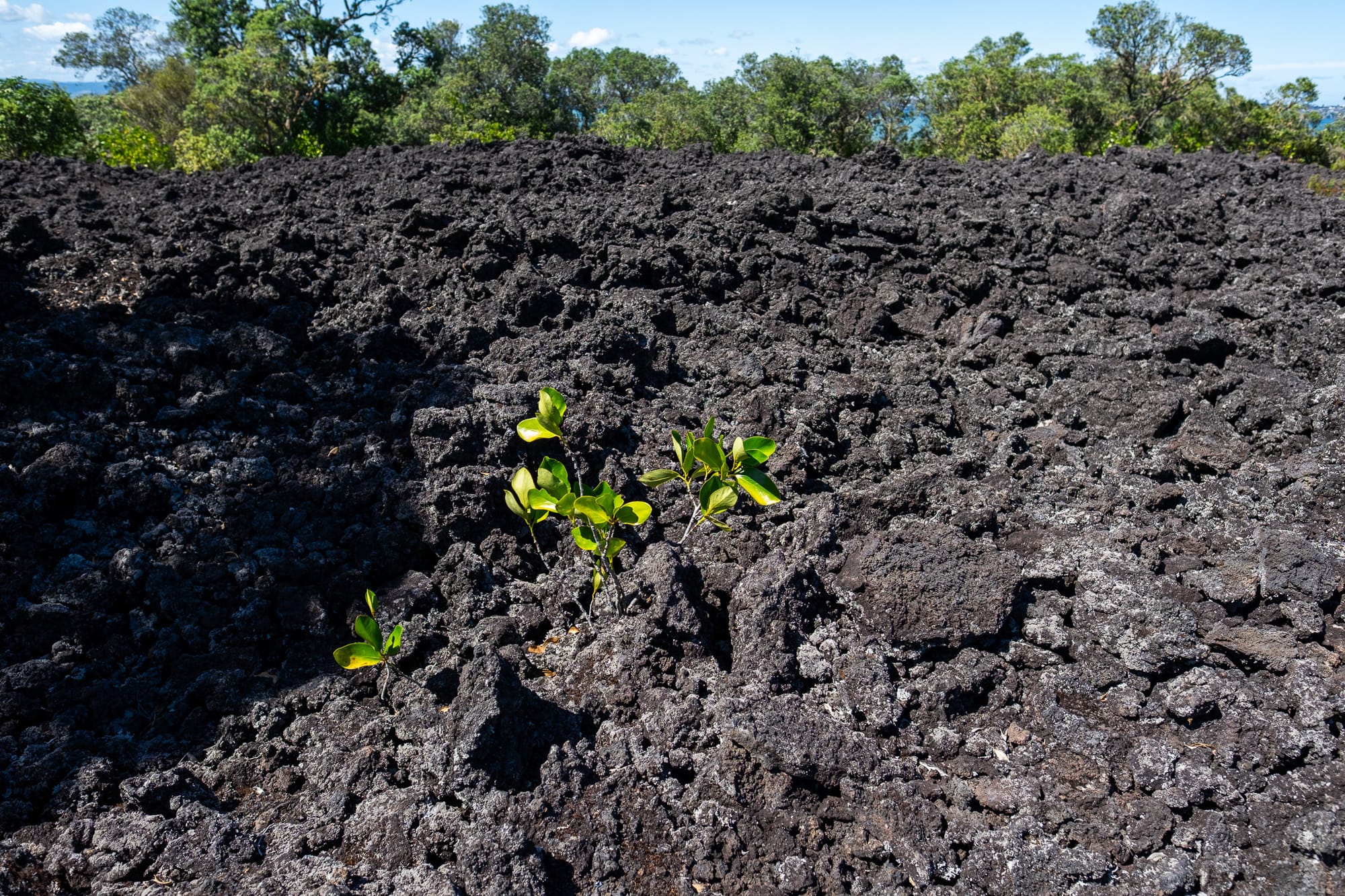
Rangitoto is the youngest and largest of Auckland's 48 dormant volcanic cones and is home to the world's largest pohutukawa forest. On a hot summer day, the hike to the top can be quite tough, as I could really feel the residual heat from the dried lava emanating from the ground. There is no shop on the island, so bringing enough water and some snacks before boarding the ferry is a must.
Waiheke Island is good for some adventure and wine tasting - a much more relaxed proposition than Rangitoto!
Day 3: Auckland to Tauranga via Hobbiton
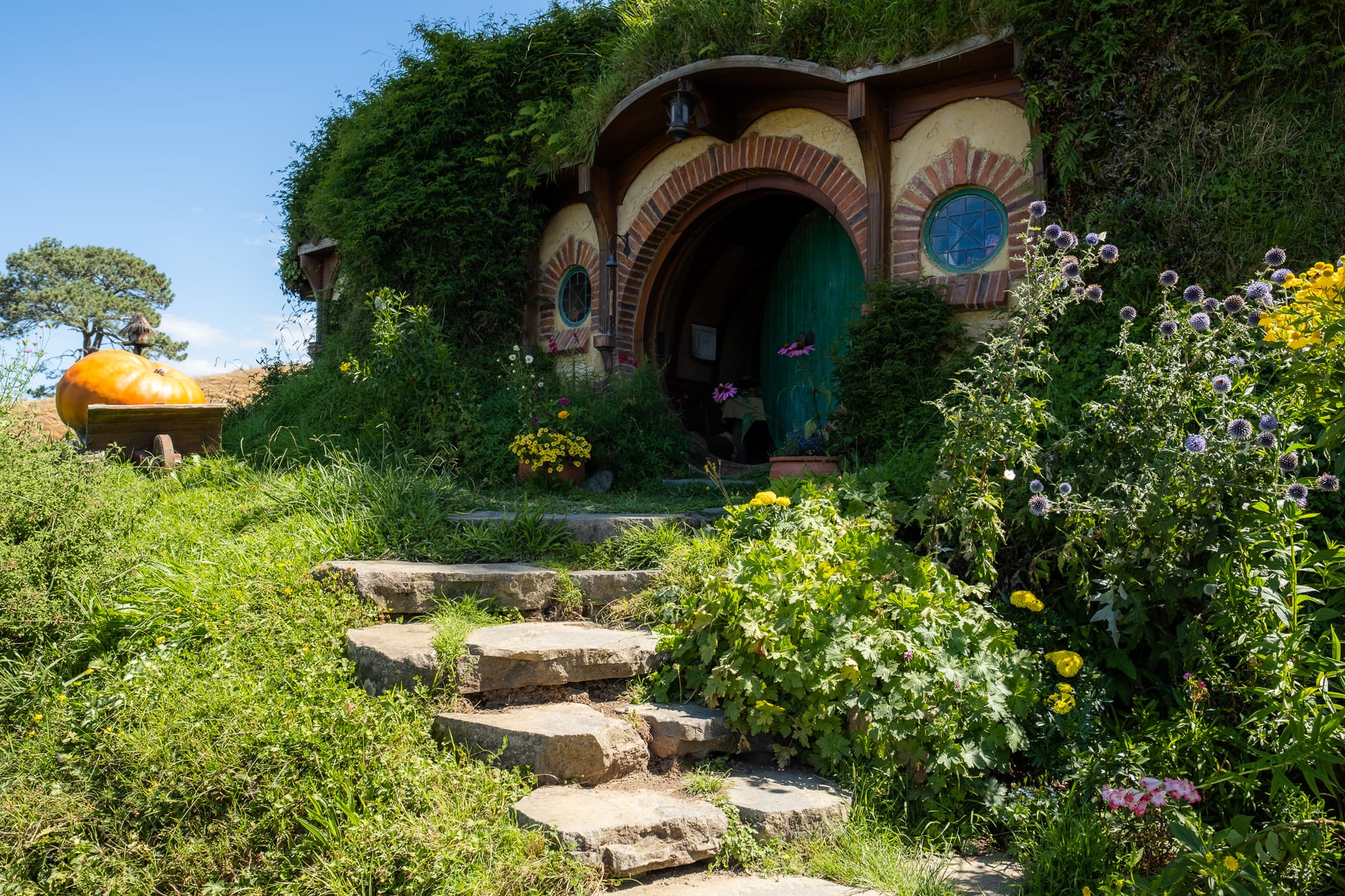
For anyone who's a fan of J.R.R. Tolkien's works, Hobbiton is a must-visit. It's worth all the hype. Tickets must be booked in advance, and entry is by pre-booked time slot. Tickets can be sold out months in advance, so pre-booking and planning are essential to avoid disappointment.
Hobbiton Movie Set was better than I could have imagined - it was fascinating to hear the story of how they discovered the farm and built the set twice. I won't give too many spoilers away here - enjoy the amazing atmosphere and go on an adventure yourself.
Day 4: Tauranga
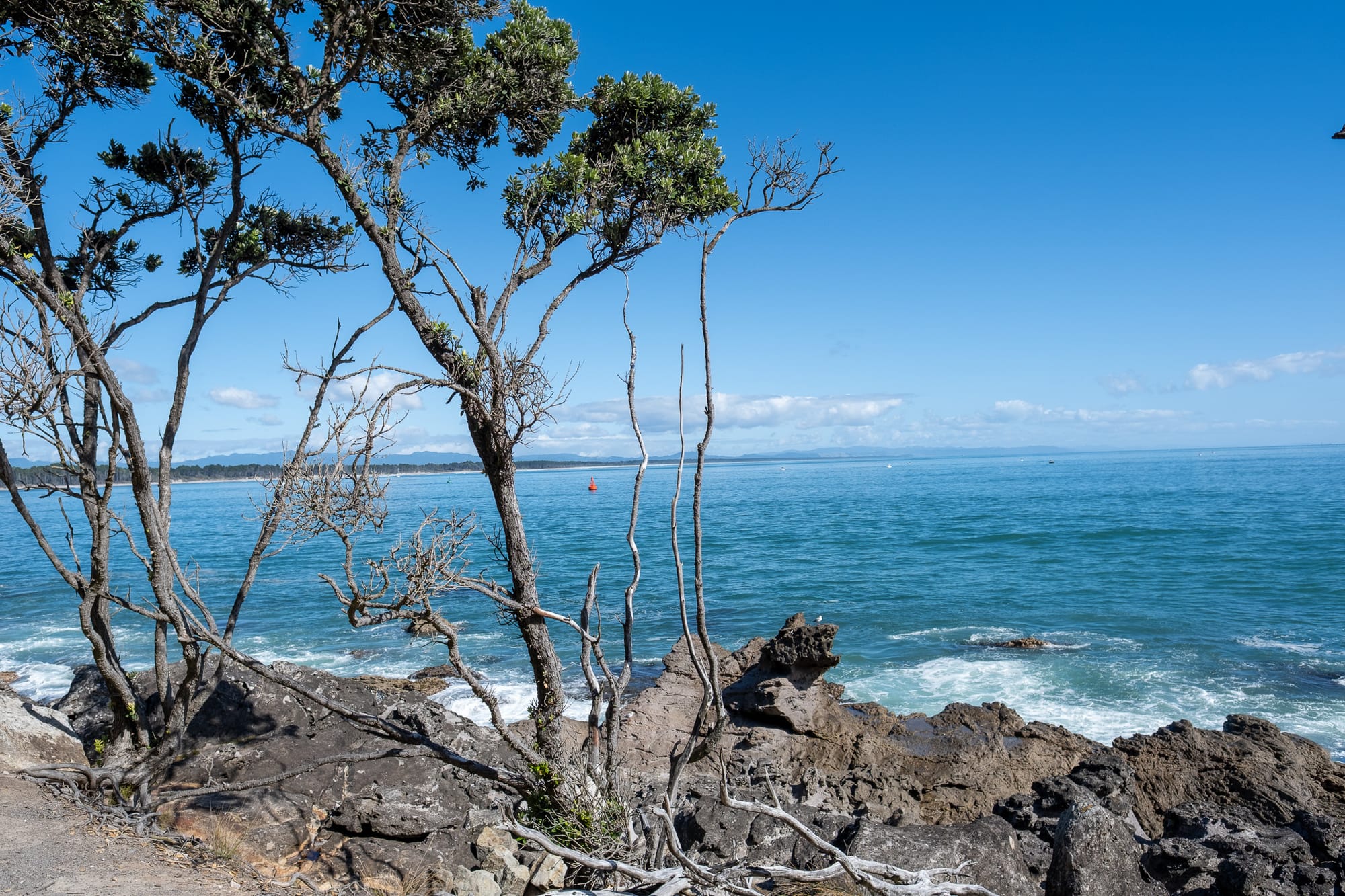
We were in Tauranga to visit family. It's a seaside city that is a paradise for water sports: surfing, jet skiing, or just chilling on the beach. Strolling around Mount Maunganui (the Mount) is also relatively easy - there are some amazing coastal views along the way.
Day 5: Tauranga to Rotorua via Kiwi hatchery
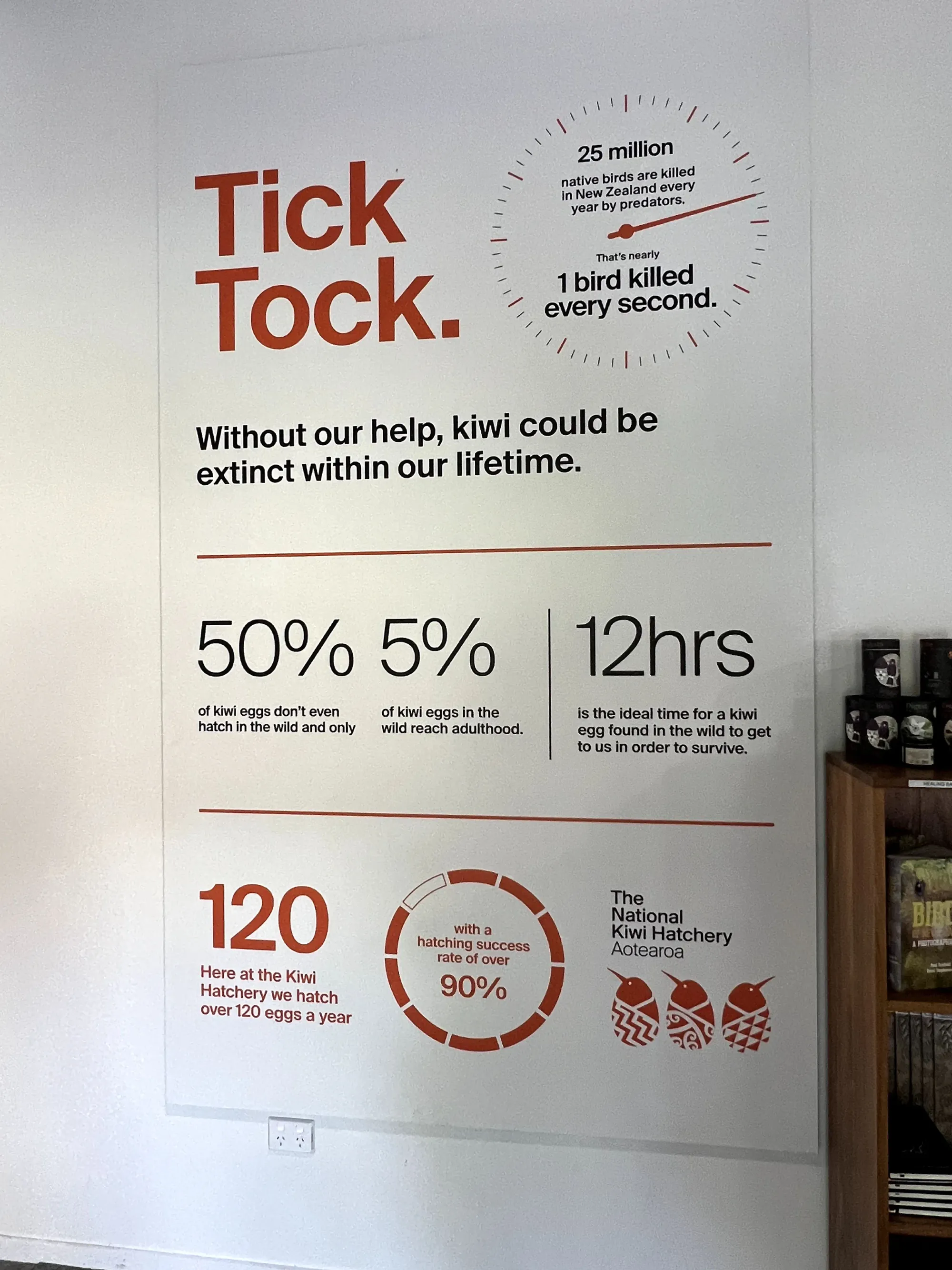
En route to Rotorua, I highly recommend taking a detour to the Kiwi hatchery. It's a great educational place to learn about how colonialism and the disastrous actions of introducing land mammals have decimated New Zealand's bird species. 50% of the kiwi eggs don't hatch in the wild, and only 5% reach adulthood. Without human intervention, they will be extinct within our lifetime. Sometimes I wonder if we, humans, have played god for so long that we can't stop playing that role - we have to undo past harms, and we are racing against the clock. You will also be able to see the kiwis in the hatchery, but no photos are allowed. They are so unbelievably cute.
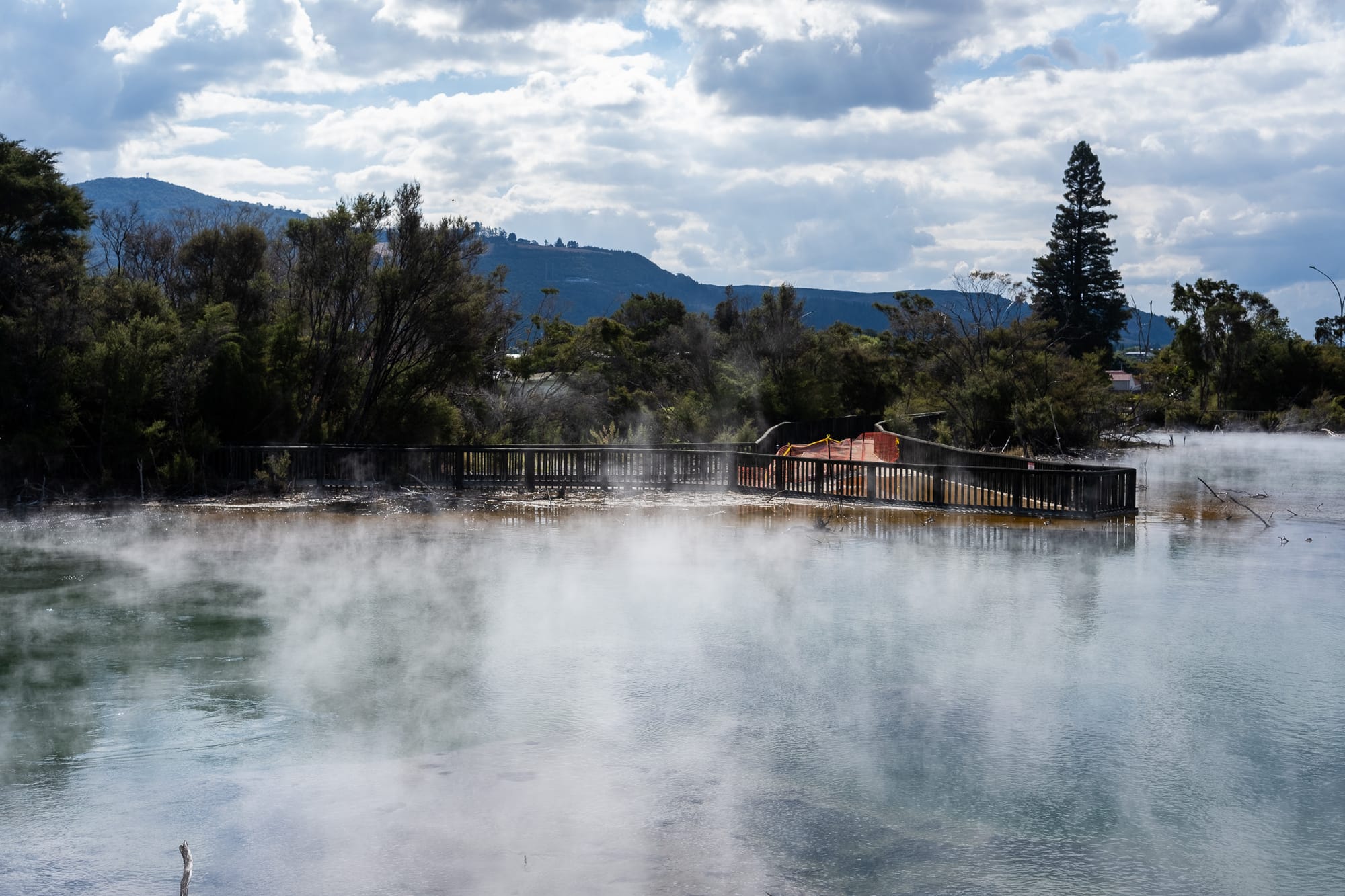
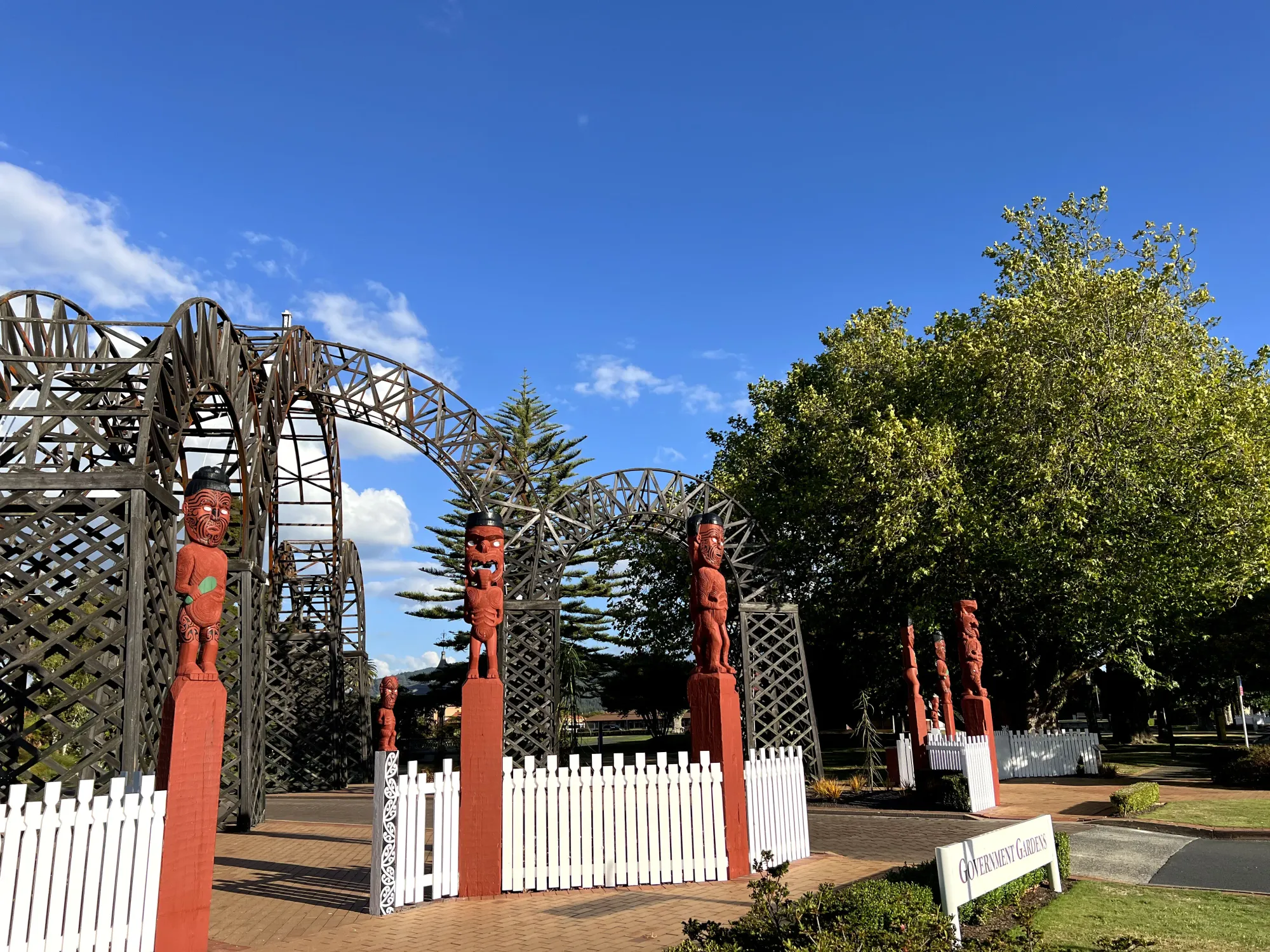
Rotorua is the Māori capital of New Zealand, a place of geothermal wonders, and a great place for some outdoor activities.
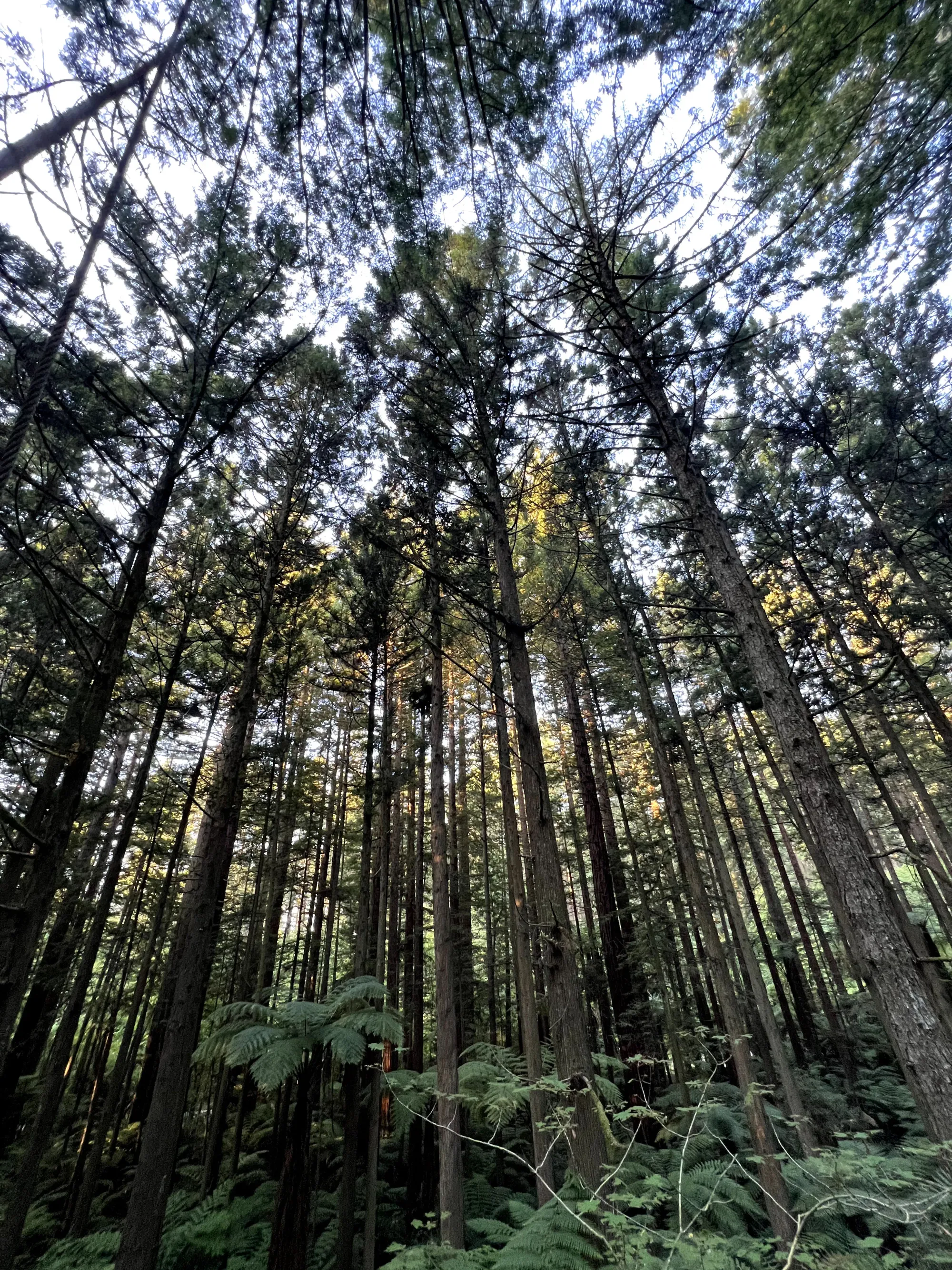
The Redwood walk (Whakarewarewa) is part of the 55,000ha Whakarewarewa Forest, a great place for mountain biking. I've always been fascinated by these trees, so it was a great opportunity to get up close with these giants. Redwood trees are not native to New Zealand; they are originally from North America, and were introduced to New Zealand for timber. They grow surprisingly well here and have become a major commercial species. The Redwoods in Rotorua were planted in the 1800s. Despite New Zealand's ongoing struggle with invasive species and the redwoods' non-native status, their ecological impact has been minimal. During the walk, you can also see many New Zealand ferns growing on the ground.
Please note that the walk is not suitable for those who are afraid of heights.
Day 6: Rotorua spa day
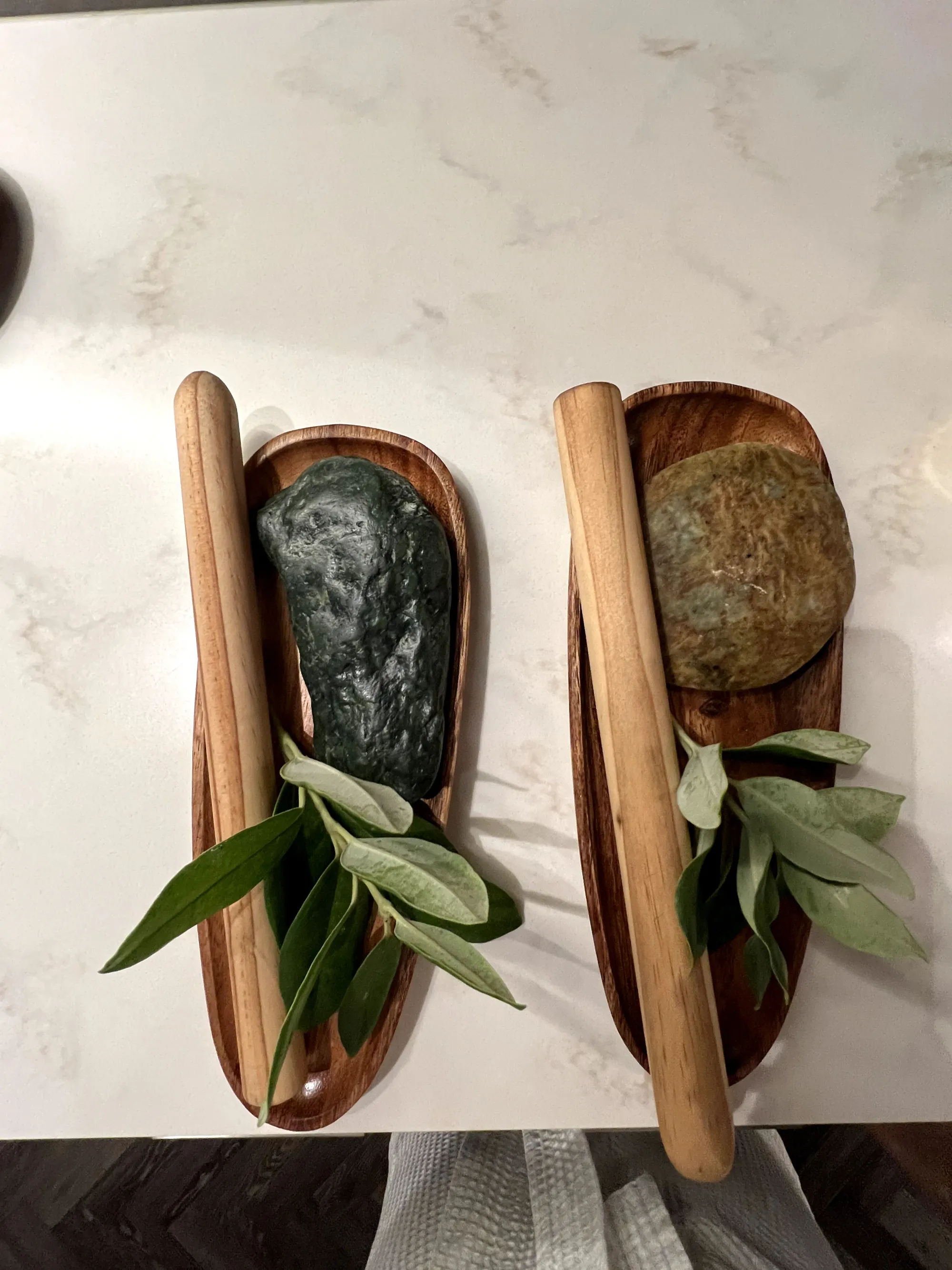
A Māori-themed geothermal spa is in order, especially after a long journey to New Zealand. We booked the Wai Ariki spa, and the early morning slot meant we had part of the section to ourselves for a bit. I loved the emphasis on the Māori healing journey, the combination of hot and cold. It was a beautiful spa, definitely what we needed before heading to the South Island.
Day 7: Return to Auckland via Waitomo Caves
To catch our flight to the South Island, we went back to Auckland via Waitomo Caves for an early flight the next day. As the Cave is also a popular destination, pre-booking tickets online is also recommended, especially during high seasons.
Waitomo cave is a must-do in the North Island. Glowworms live only in Australia and New Zealand, and seeing them glow on the cave ceiling is a magical experience. The worms are very sensitive to sounds and flashlights, hence no photographs are allowed inside the Waitomo Cave. Cruising on a boat and seeing the blue lights coming from these worms was a once-in-a-lifetime experience. This is another tourist place that is absolutely worth a visit. You can also do a day trip here from Auckland if you prefer to have Auckland as a base, and it can be combined with a visit to Hobbiton.
Day 8 - 10: Queenstown
Queenstown is the adventure capital of New Zealand and offers a variety of activities year-round. We were based in Queenstown and did two-day trips:
Milford Sound full-day tour with cruise
The fjords are a natural spectacle, and it is more spectacular during rainy days with thousands of waterfalls coming down from the mountains. A return journey to Milford Sound from Queenstown is long, but the scenery along the way makes the journey worth it. Our guide spoke in depth about New Zealand's conservation efforts and what it's like to live in places where you may not come across another soul for miles. For anyone who wants to have an in-depth experience not just of New Zealand's top nature wonder, but to learn about its customs and life, I highly recommend booking this trip.
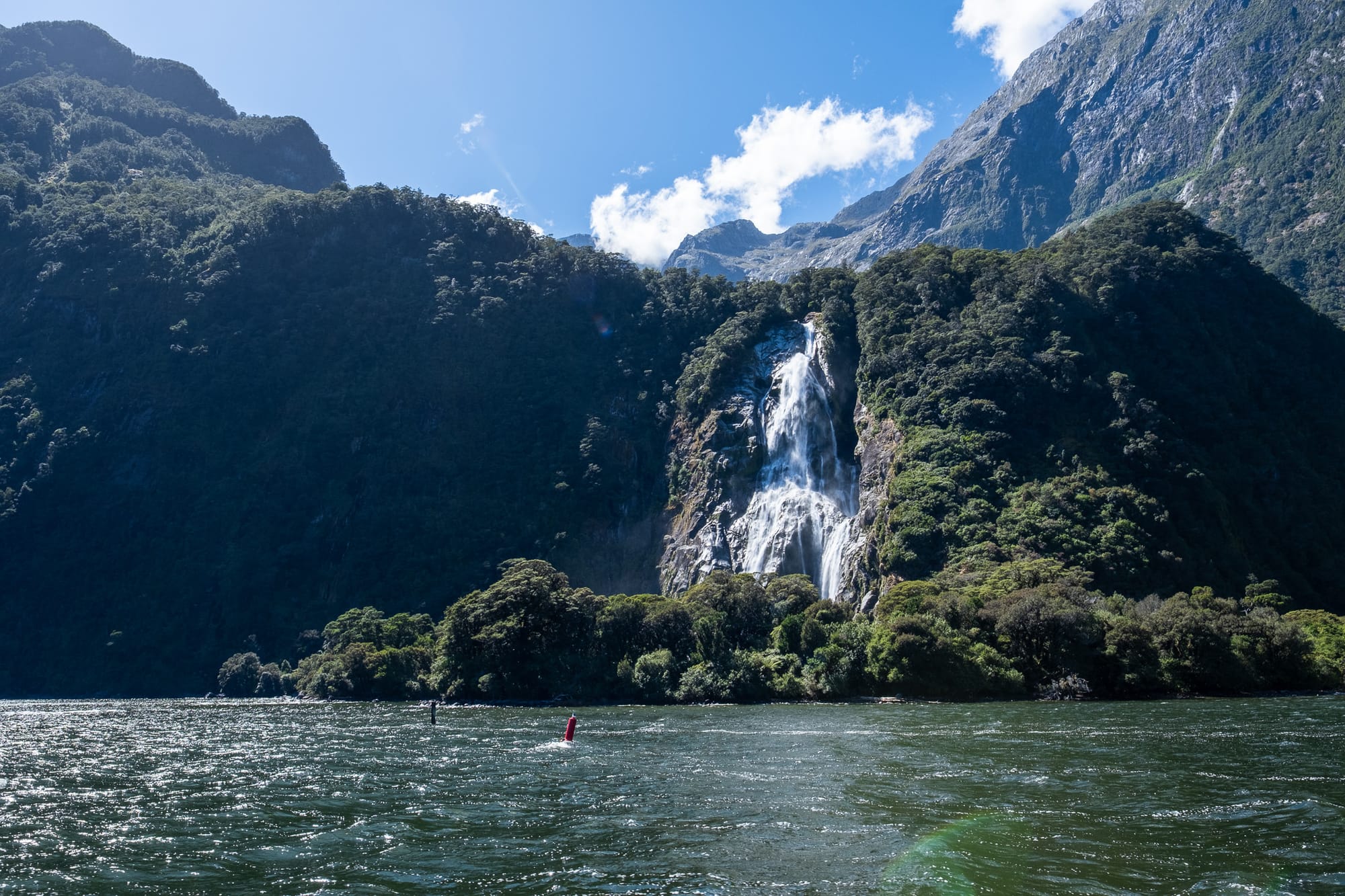
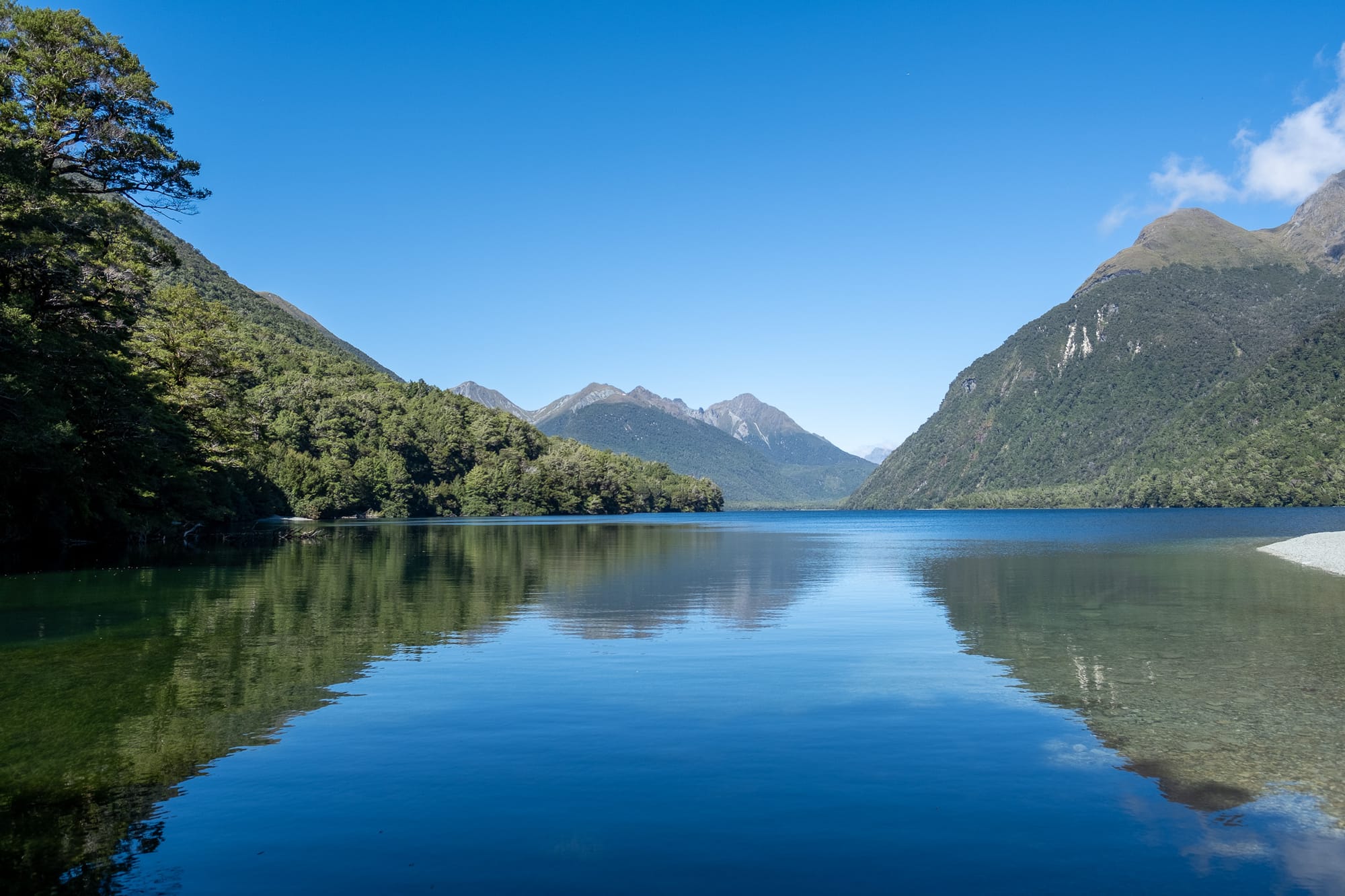
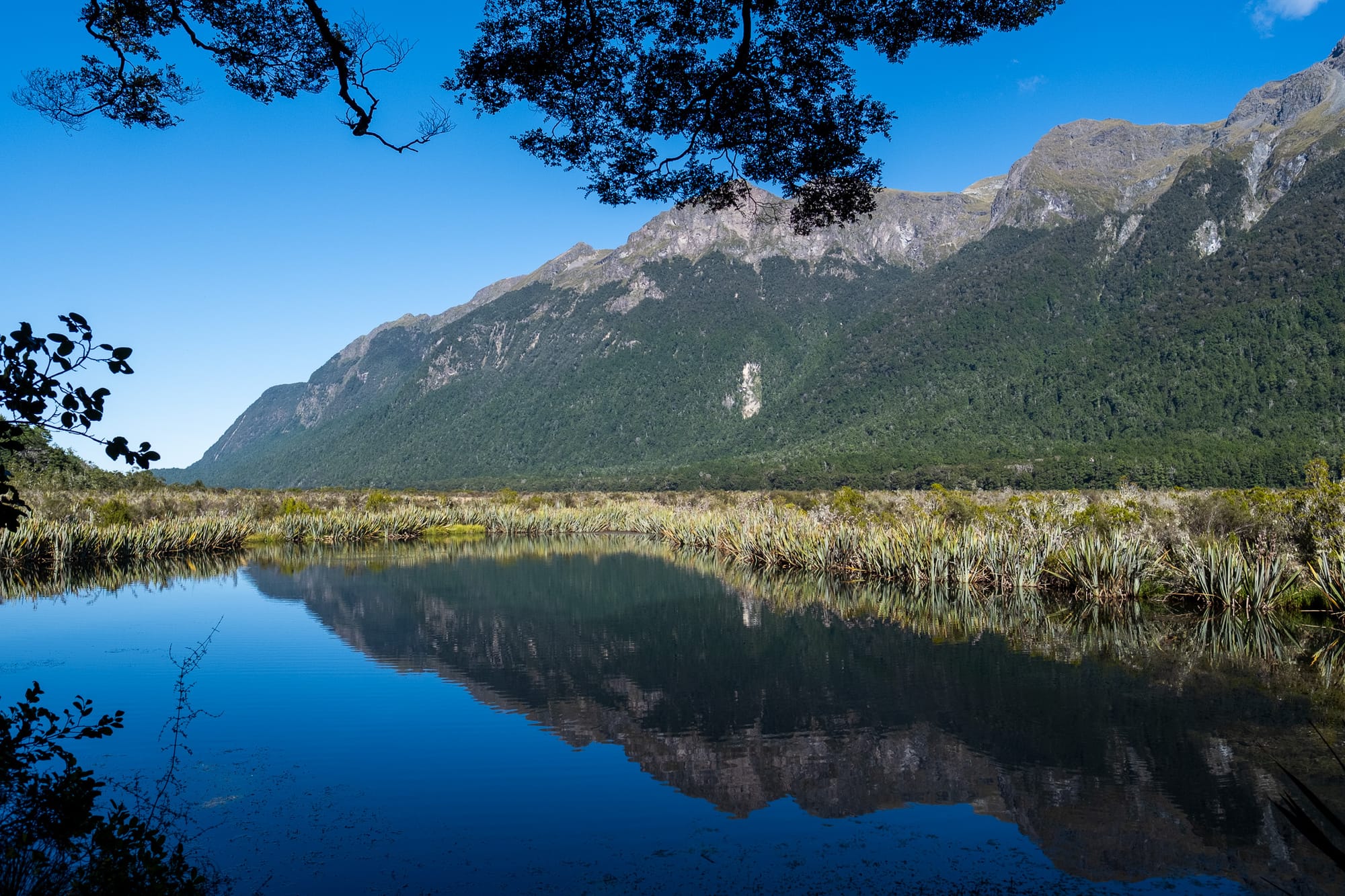
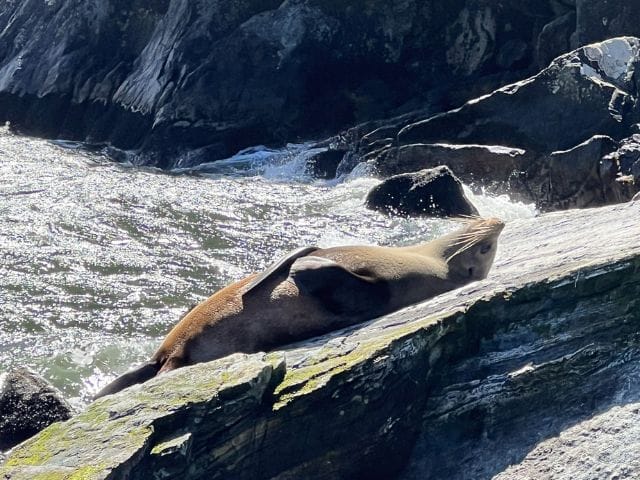
Milford Sound and the scenery on the way
Peter Jackson grew up in Queenstown and still has his home here. Many of the LOTR scenes were filmed here, and you can check out our other post on the details of the filming locations. There is also the fun part of dressing up, and having a real feel of how heavy the weapons were used for filming! If you are a fan of the book or the film, a LOTR tour in Queenstown is unmissable.
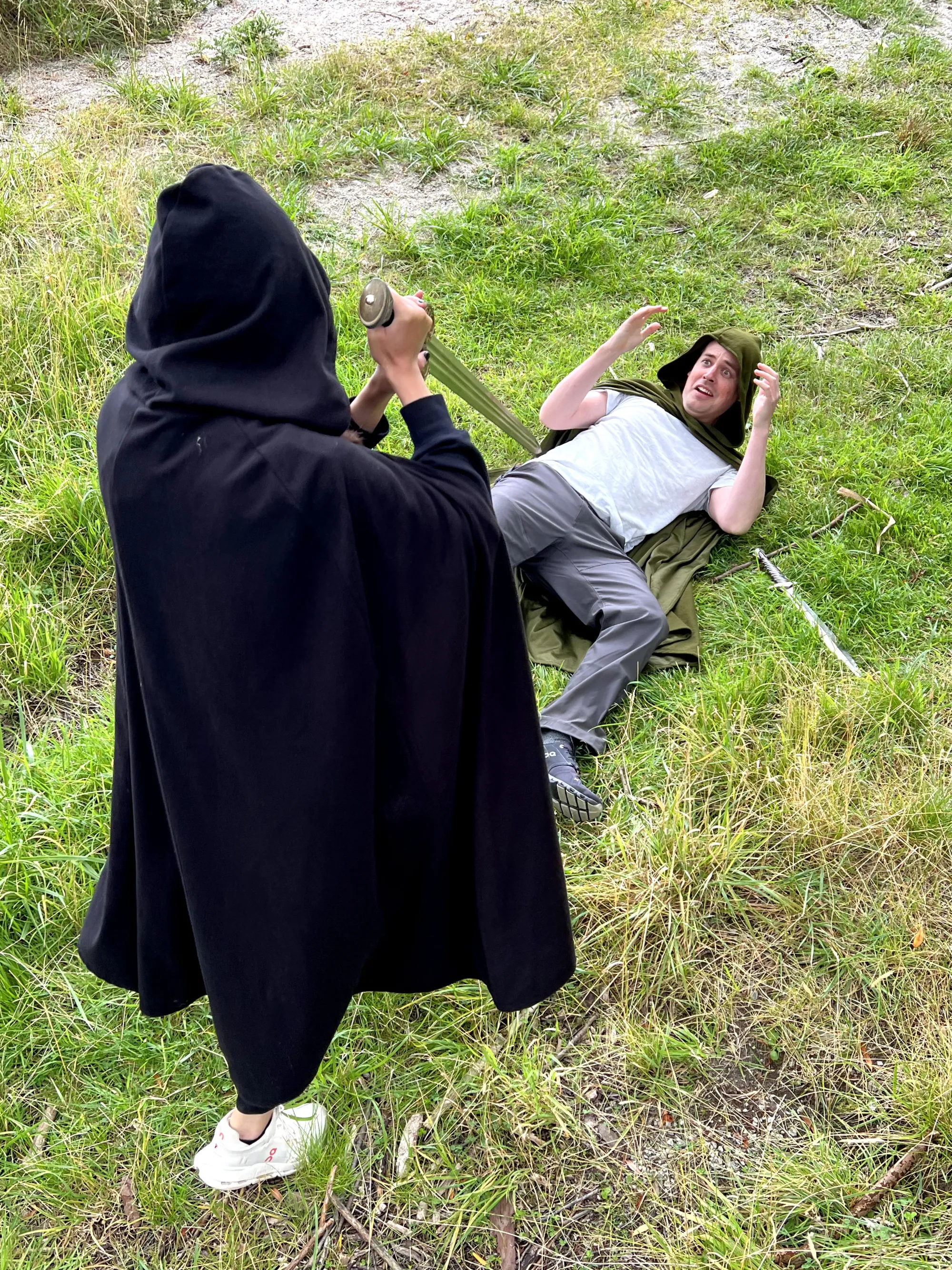
Day 11 - 12: Queenstown to Mt Cook via Wanaka
We took a detour to go to Wanaka, because I'd love to see the Wanaka tree. It's also lovely to stroll around the lakeside.
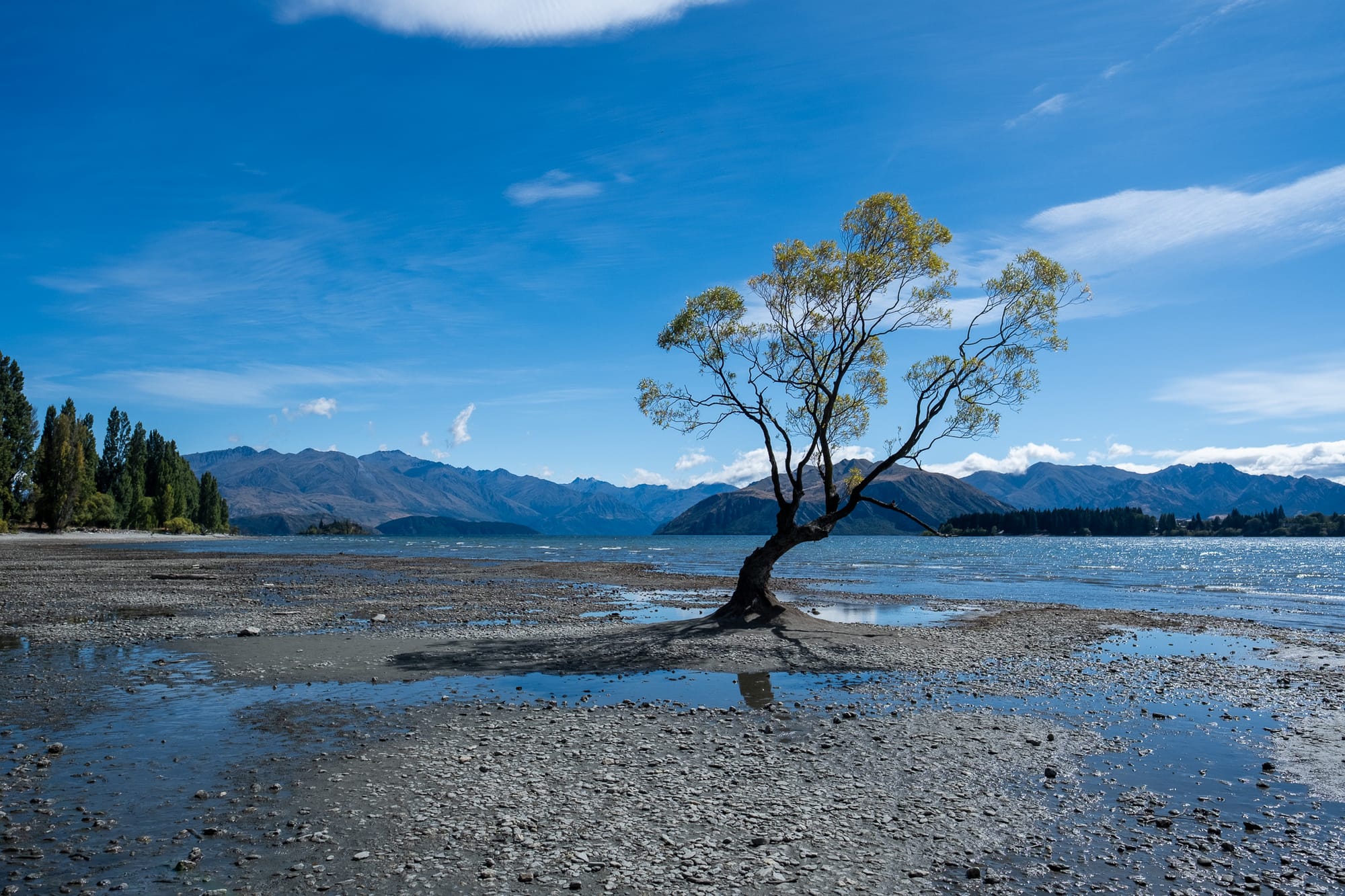
We chose to stay at Twizel and drive to Mt Cook the next day. On a summer's day, the drives around Twizel were epic. The LOTR film crew was based here for months during filming, and it is also the filming location of one of my favourite scenes: the fields of the Pelennor.
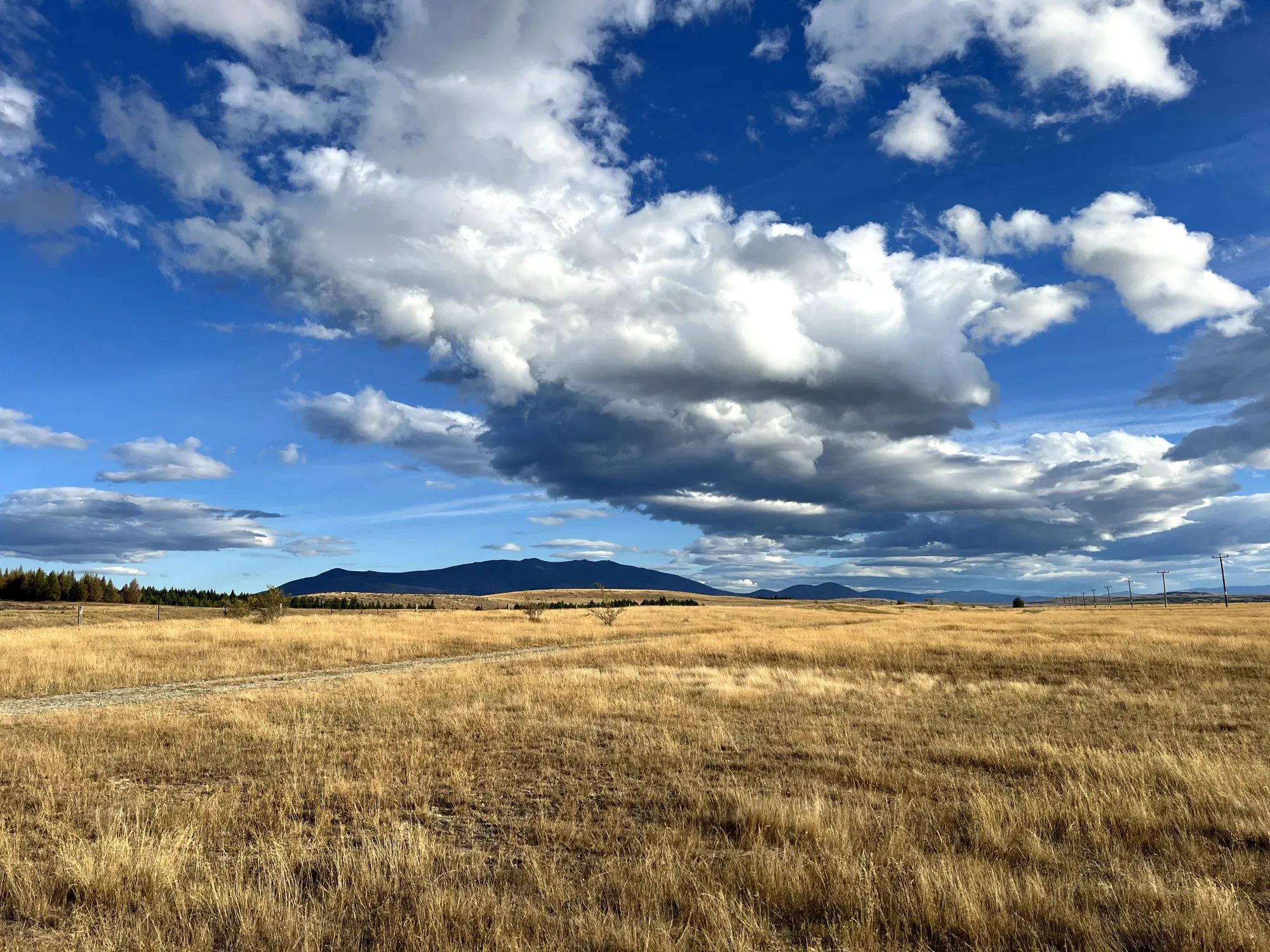

Twizel is also a Mackenzie dark-sky reserve, but unfortunately, the two nights we stayed were too cloudy to see anything.
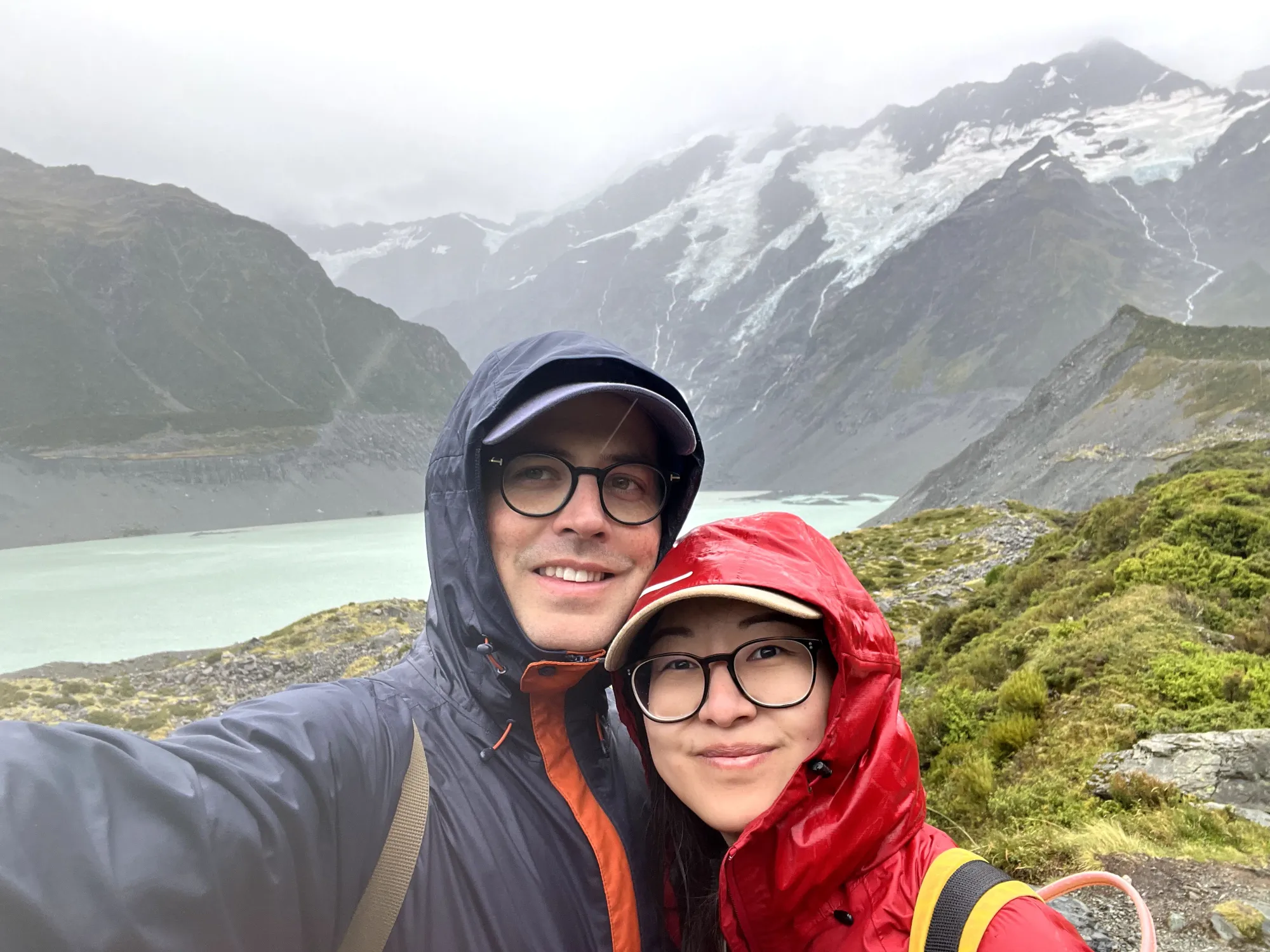
The drive to Mt Cook was spectacular. As we both had knee injuries, we opted for the simpler hike, the hooker valley trail. We were soaked from head to toe, even with rain-proof jackets, so bringing proper rain gear is essential wherever you go in NZ.
Day 13-14: Kaikoura via Arthur's Pass
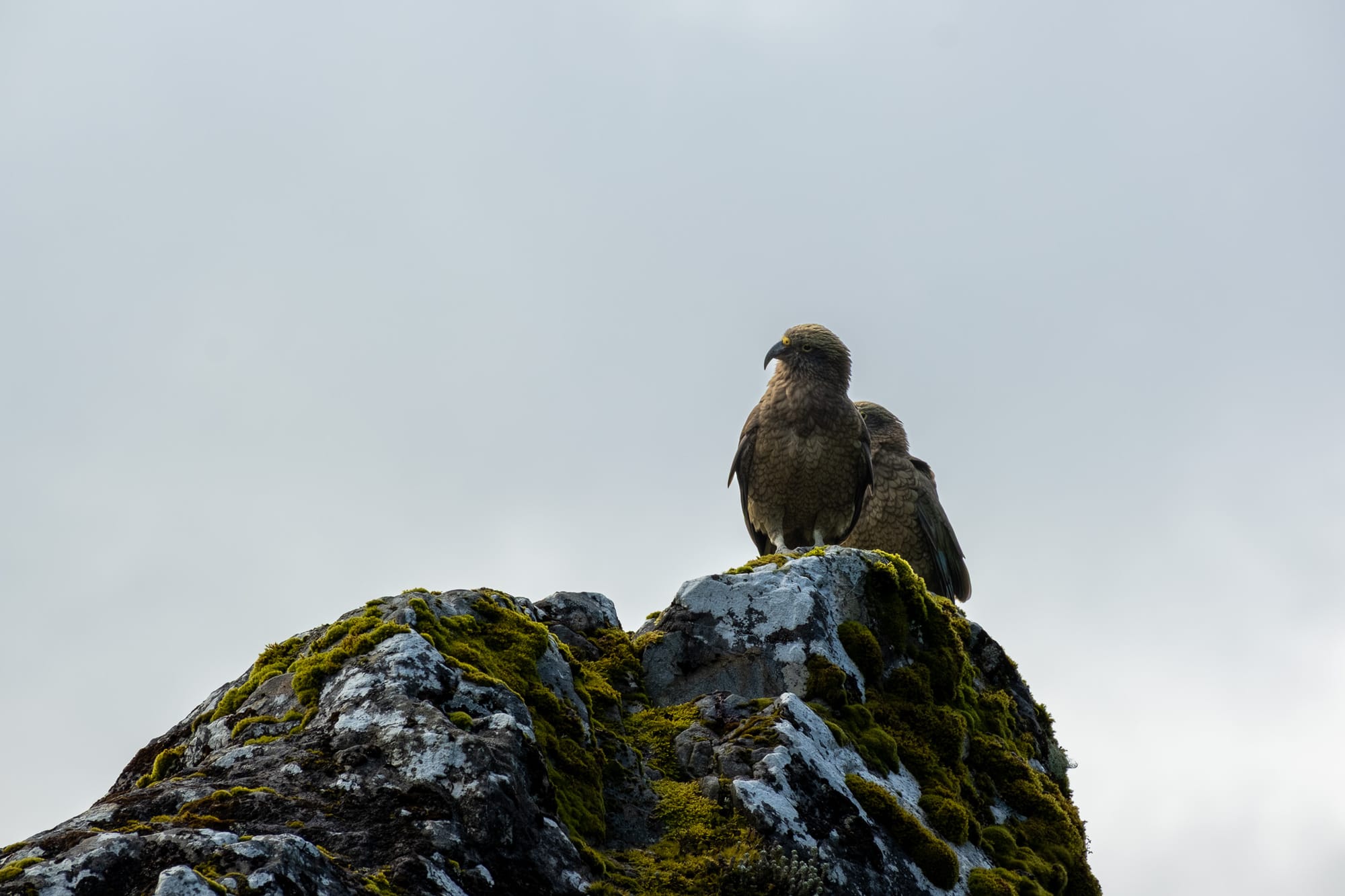
We didn't manage to see kea en route to Milford Sound, and really would want to see them before we depart the country. Kea is a highly intelligent mountain parrot that is also incredibly cheeky. It is IUCN listed as endangered due to poaching and invasive predators. Only 7000 individuals are left. Arthur's Pass is the best place to see them. There should be a stricter speed limit implemented at Arthur's Pass, as we see too many cars flying past these mountain roads.
The detour is quite significant, and the drive to Kaikoura is very mountainous. It wasn't a pleasant driving experience in almost total darkness. We wished we had one more day.
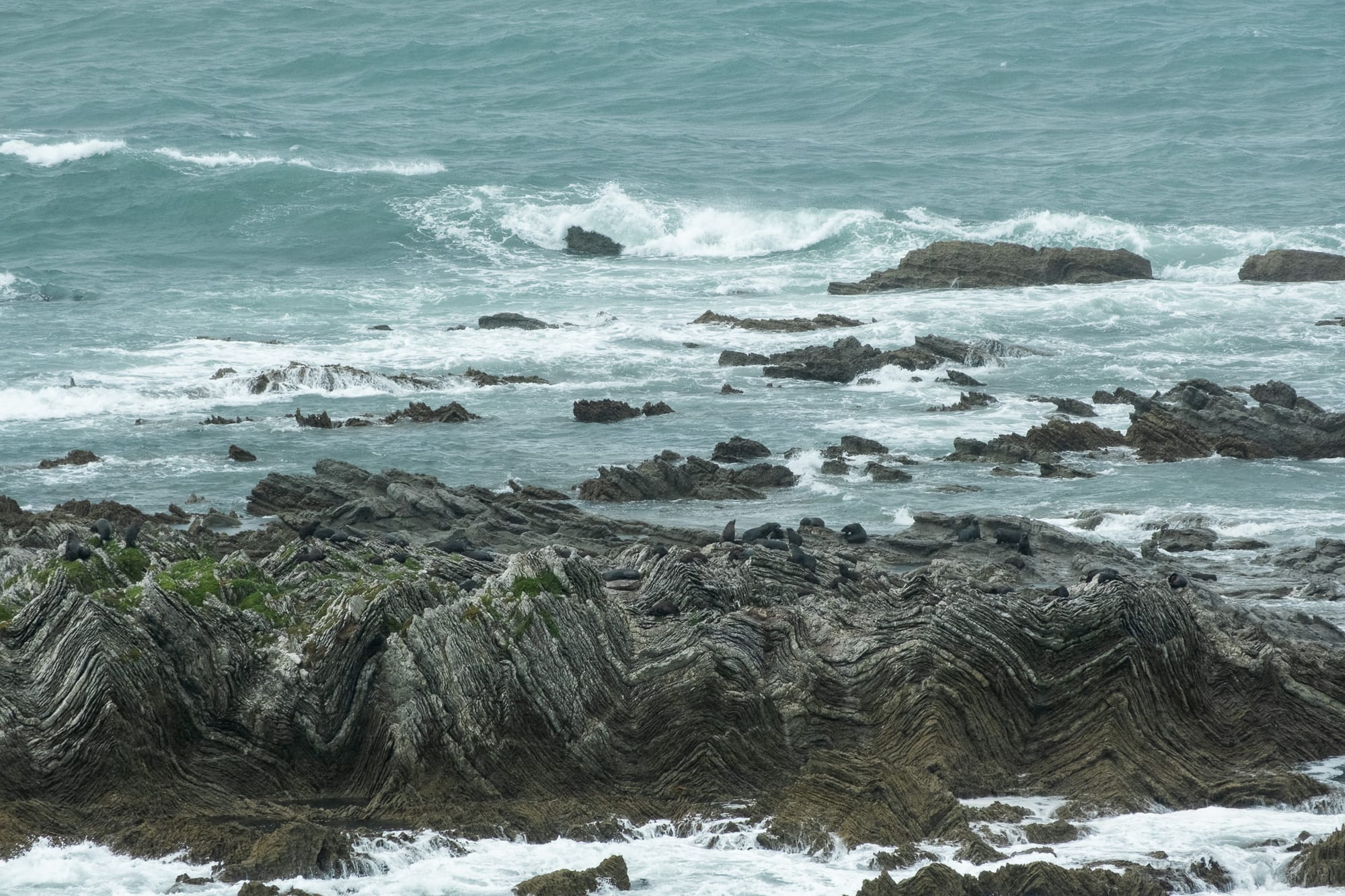
Kaikoura is great for whale watching, with resident sperm whales year-round thanks to the deep-sea canyon close to shore. Unfortunately, it was very windy the day we were there, and all the boats were cancelled. For good reason, when we saw the waves in the morning... so another reason to come back soon 😸
Day 15: Into the West: home
We've come to the journey's end, and it's time to go back to our Shire
Things to know
You can find more New Zealand guide info via our NZ guide blog post here.
Biosecurity
Due to the very real conservation challenge of invasive species in the Island, biosecurity in New Zealand is very strict, and that starts at the airport. Do not bring any meat or animal products, even teas are not allowed. Make sure your hiking boots are clean. They will check it 😃
Car rental
Car rental is very straightforward. We decided to rent two different cars in the North and South Islands, instead of crossing the Strait with the same car. New Zealand also drives on the left.
There are three paid roads in the North Island, but there's no auto-payment system, so drivers will have to be diligent about checking whether they've used one of the roads and make payments manually online. Car Rental shops will run you through the details.
Payment
Card payment is widely accepted, and we never need to use cash. In Auckland, given the large Asian population, AliPay is also widely accepted.