Seeking Snow Leopard in the Qinghai-Tibet plateau, China
As a wildlife and nature specialist, we are proud to offer the Snow Leopard Safari Tour through Kodama Travel. Your Tibetan guide, Renqing, has worked on numerous wildlife documentaries, including Frozen Planet and The Velvet Queen. Book now for an expert-led, once-in-a-lifetime experience.


I've been fascinated by snow leopards for a long time. From following Alex Dehgan's early work on the Snow Leopard project in Central Asia to using GIS to model snow leopard habitat suitability in Sanjiangyuan National Park in China, or donating to their protection through WWF, the queen of the mountains has always held a special place in my heart.
Snow leopards (Panthera uncia), a keystone species, have adapted to live in harsh mountainous conditions around Central Asia. They prefer to hunt in rugged landscapes and live above the tree line and below the snowline. They face multiple challenges, such as habitat loss and fragmentation, prey loss, and poaching. Climate change and the resulting higher tree line also threaten their habitats. China is home to over 60% of the world’s snow leopards, with approximately 45% of the Chinese population residing around the Qinghai-Tibet Plateau.
In early 2025, I discovered an opportunity to see the snow leopards in Qinghai Province. Qinghai is a vast area: it borders Tibet and Xinjiang to the East, Sichuan to the South (the home of the pandas), and Gansu (a strategic outpost on the Silk Road) to the North. It is also home to many ethnic groups, including the Hui (Muslim), Tibetan, Mongolian, and Han. It is also home to China's first and largest national park, Sanjiangyuan (三江源), also known as The Source of the Three Rivers. Here, on the Qinghai-Tibet plateau, three mighty rivers begin their journey: The Yangtze, the Yellow River, and the Mekong. If water has memories, the earliest ones in these rivers would be from these mountains.
“As ripples of heat rise into the air, the raindrop will slowly evaporate. But it won’t disappear. Sooner or later, that tiny, translucent bead of water will ascend back to the blue skies. Once there, it will bide its time, waiting to return to this troubled earth again…and again. Water remembers. It is humans who forget.”
― Elif Shafak
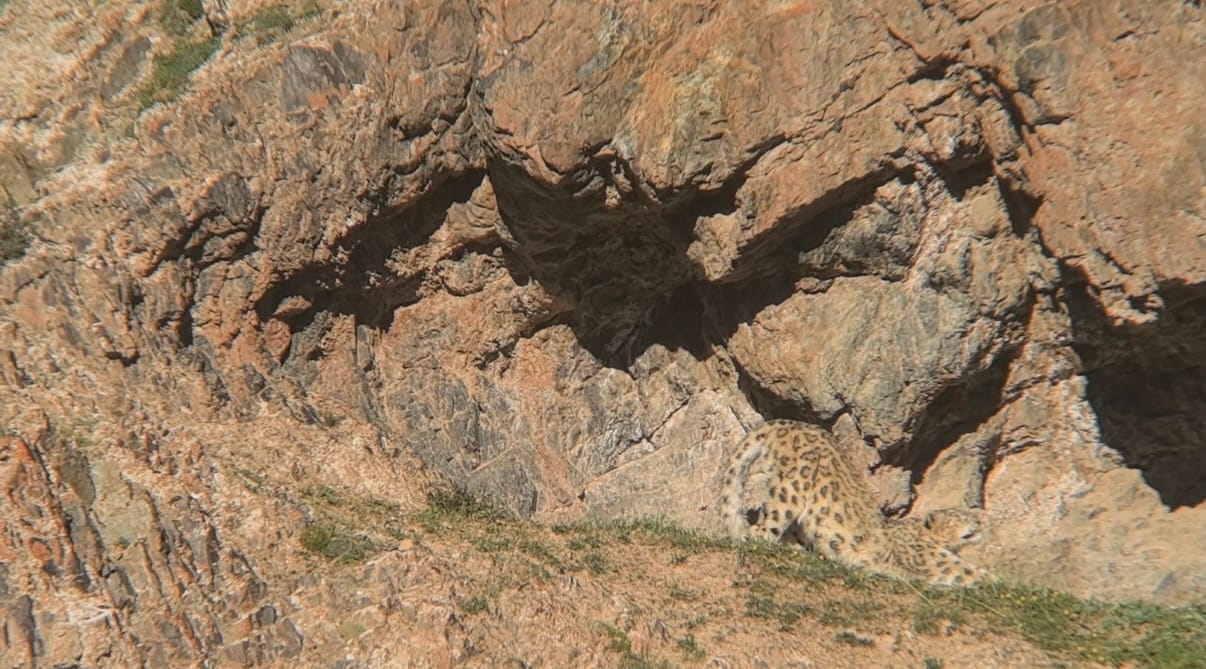
Currently, Sanjiangyuan National Park prohibits all entry, except for rangers and local herders. However, there are still excellent opportunities to see them on the Park's fringe. We learned from the Tibetan ranger that snow leopards tend to frequent one of the valleys, particularly around dusk. Their impeccable camouflage makes them extremely difficult to spot, even when staring directly at one. On that afternoon, 29th July 2025, when the sun was shining on the mountain slope at almost a 45-degree angle, we heard through the car radio that our guide had spotted a snow leopard moving up to the mountain top. What follows will stay with me for the rest of my life: a lone individual casually walking up the slopes and taking a nap. We were lucky to be able to see it just chilling there for over an hour, until it got up and slowly walked over the hill.

Despite the harsh conditions, the plateau ecosystem is highly biodiverse. These vast wildernesses are home to many endemic and endangered species, many of which are Class I protected in China (the highest protection level).
Other plateau species

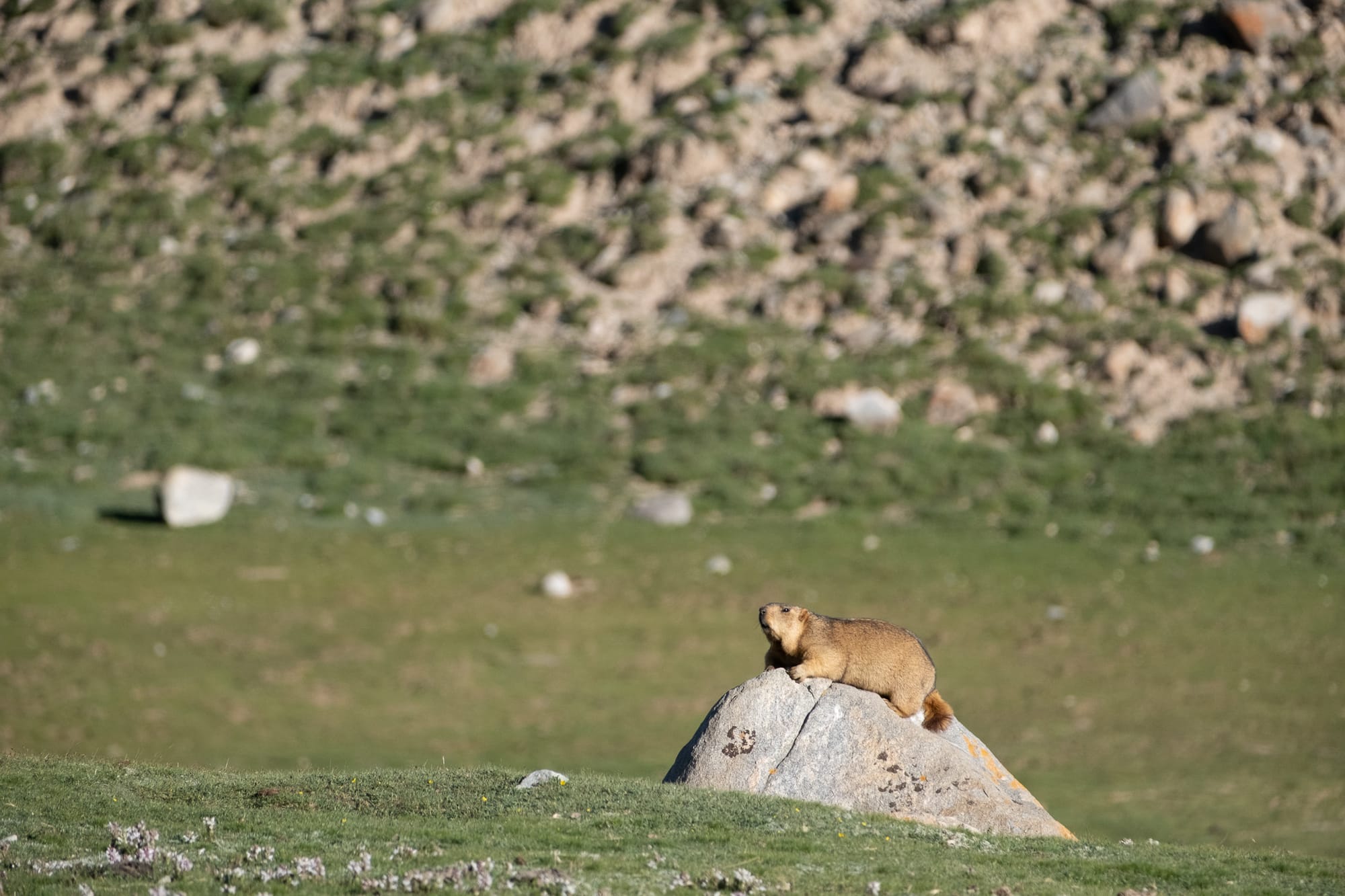
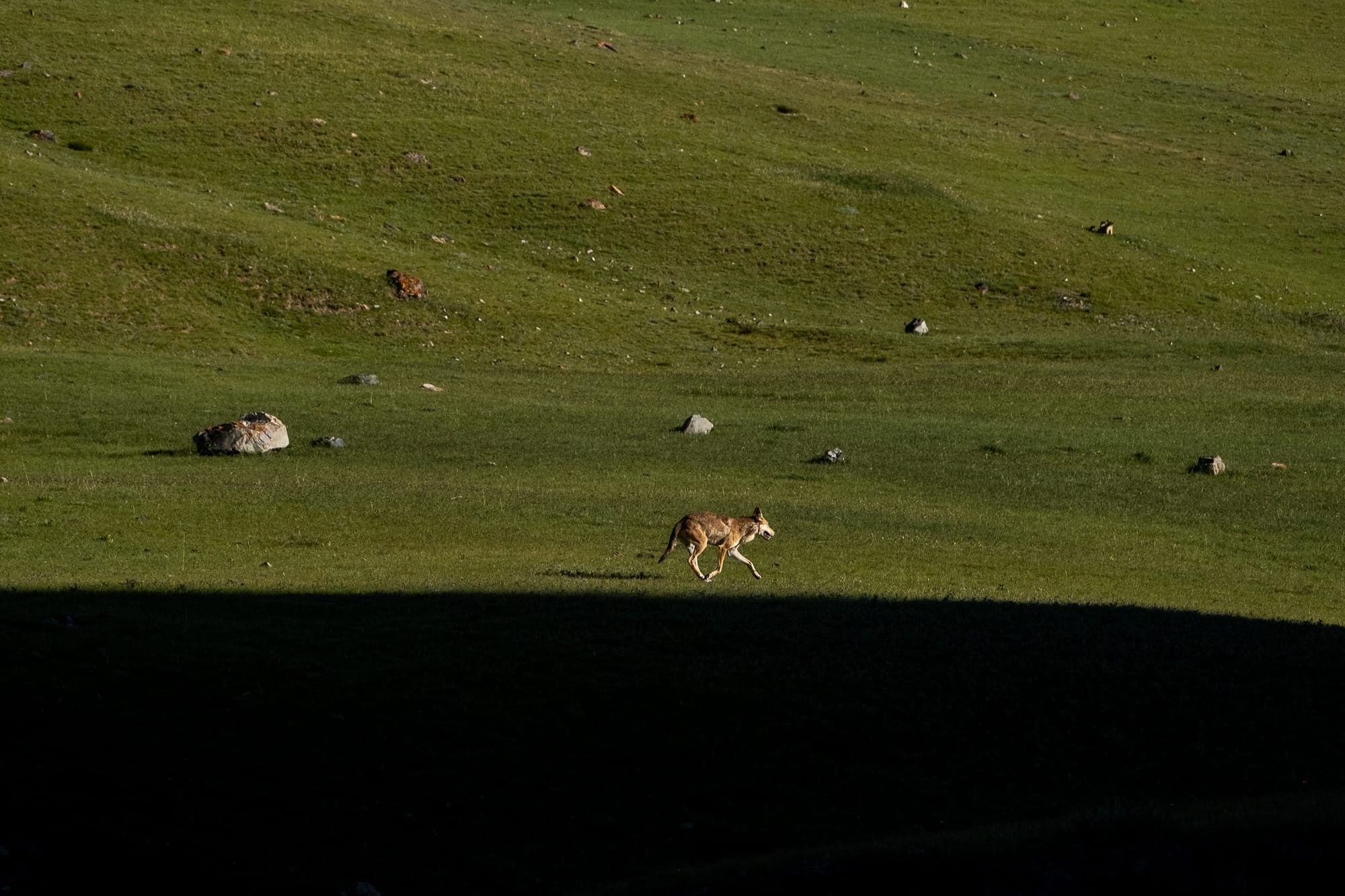
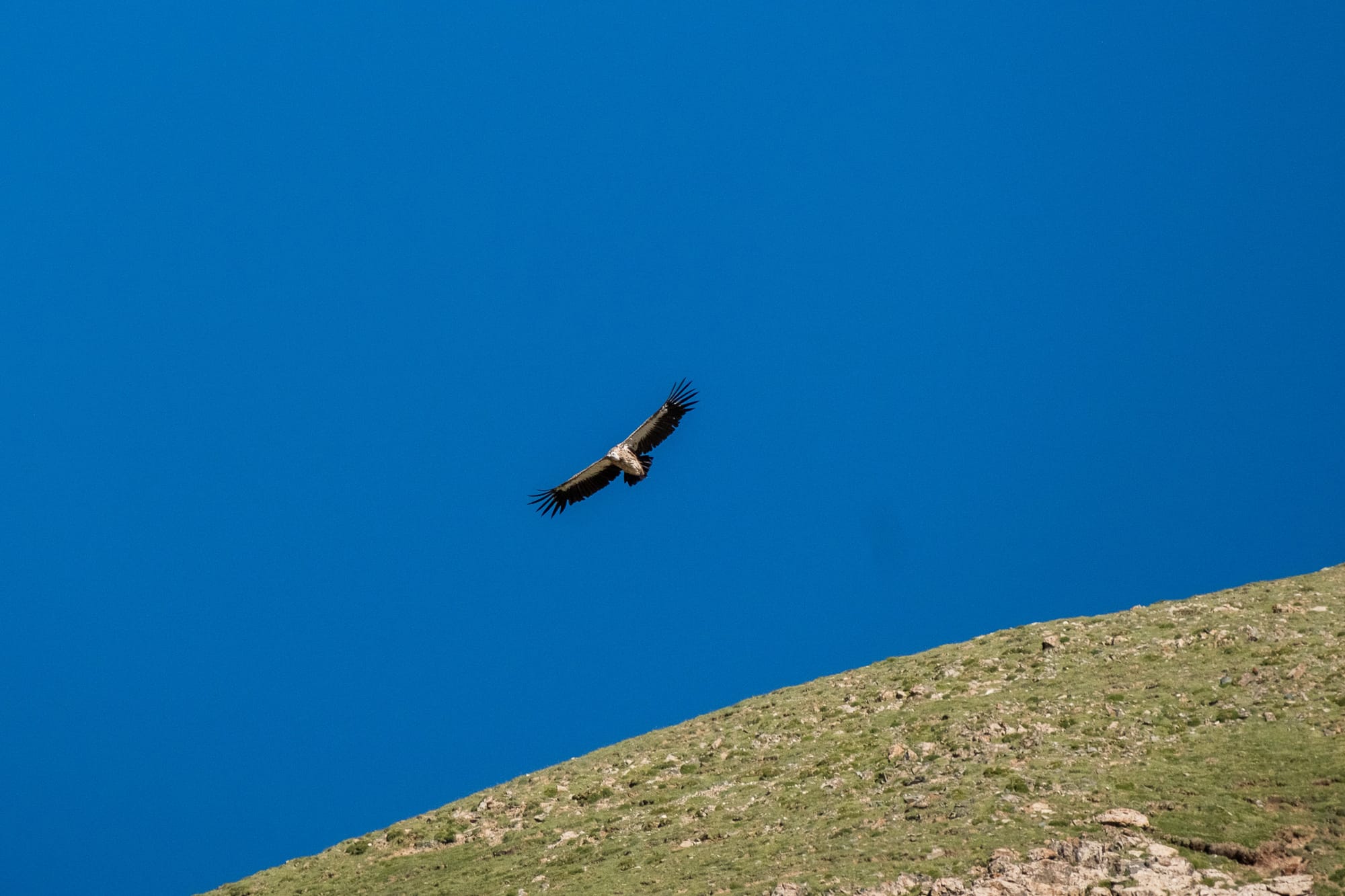
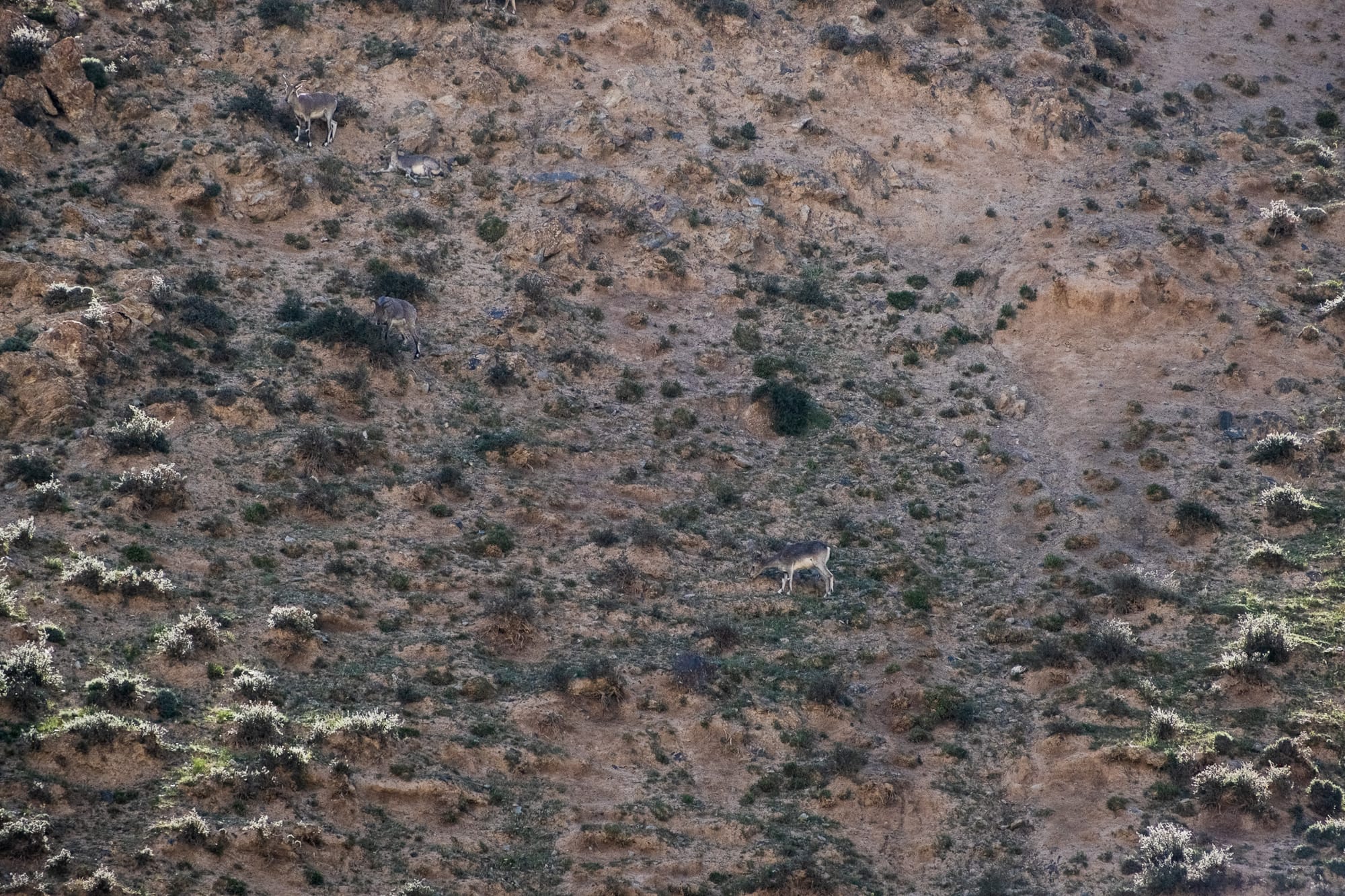
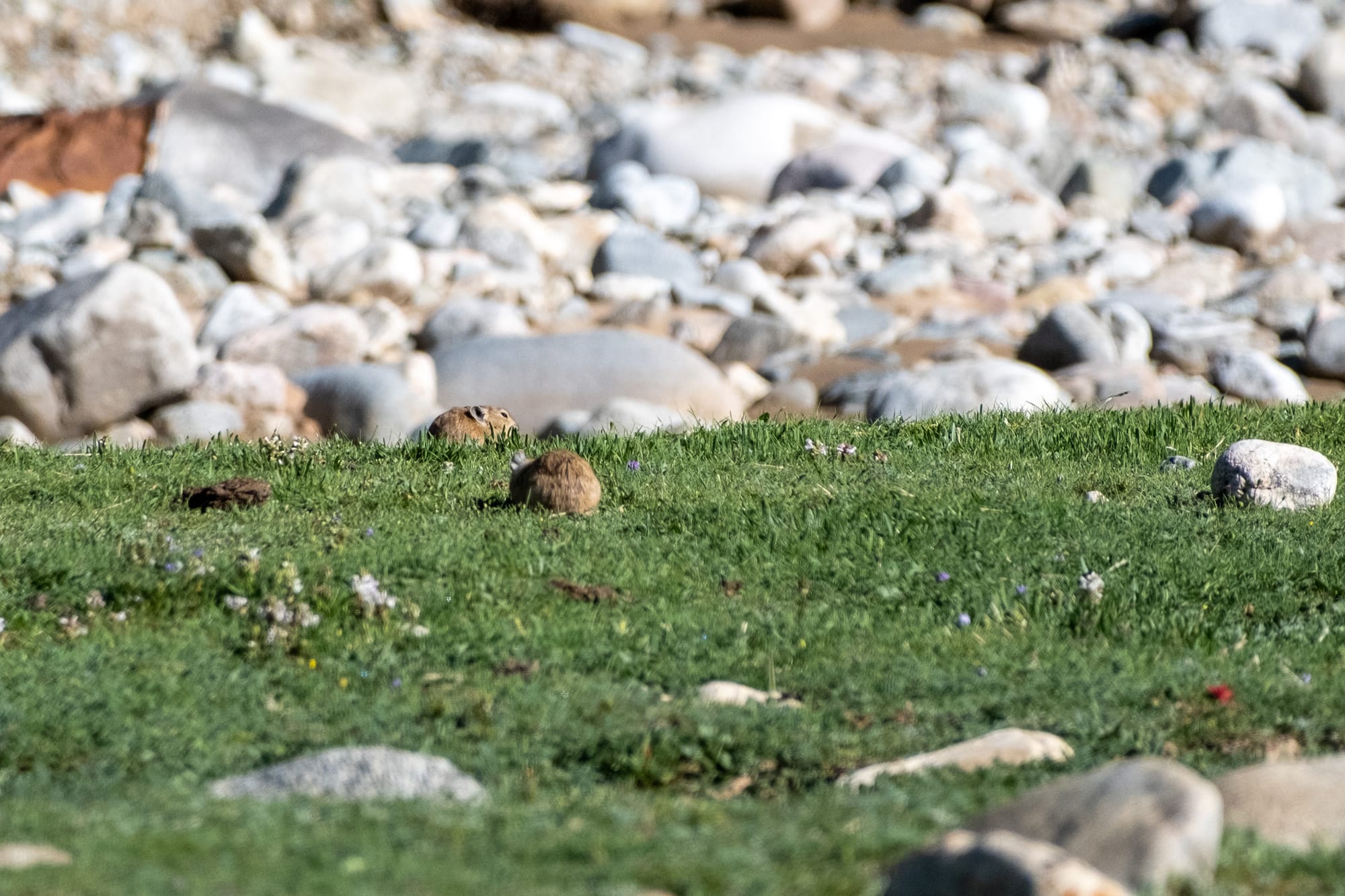

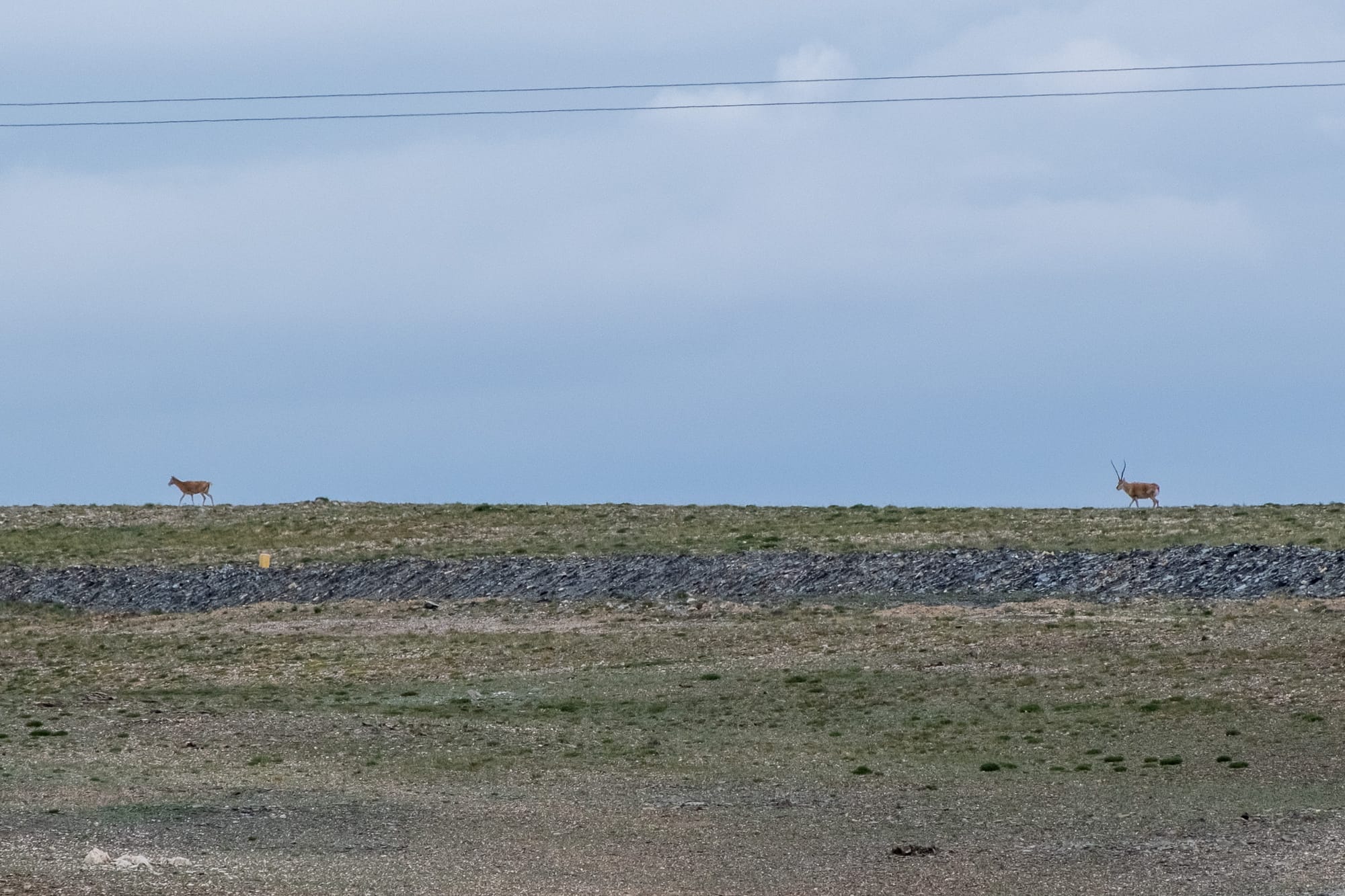
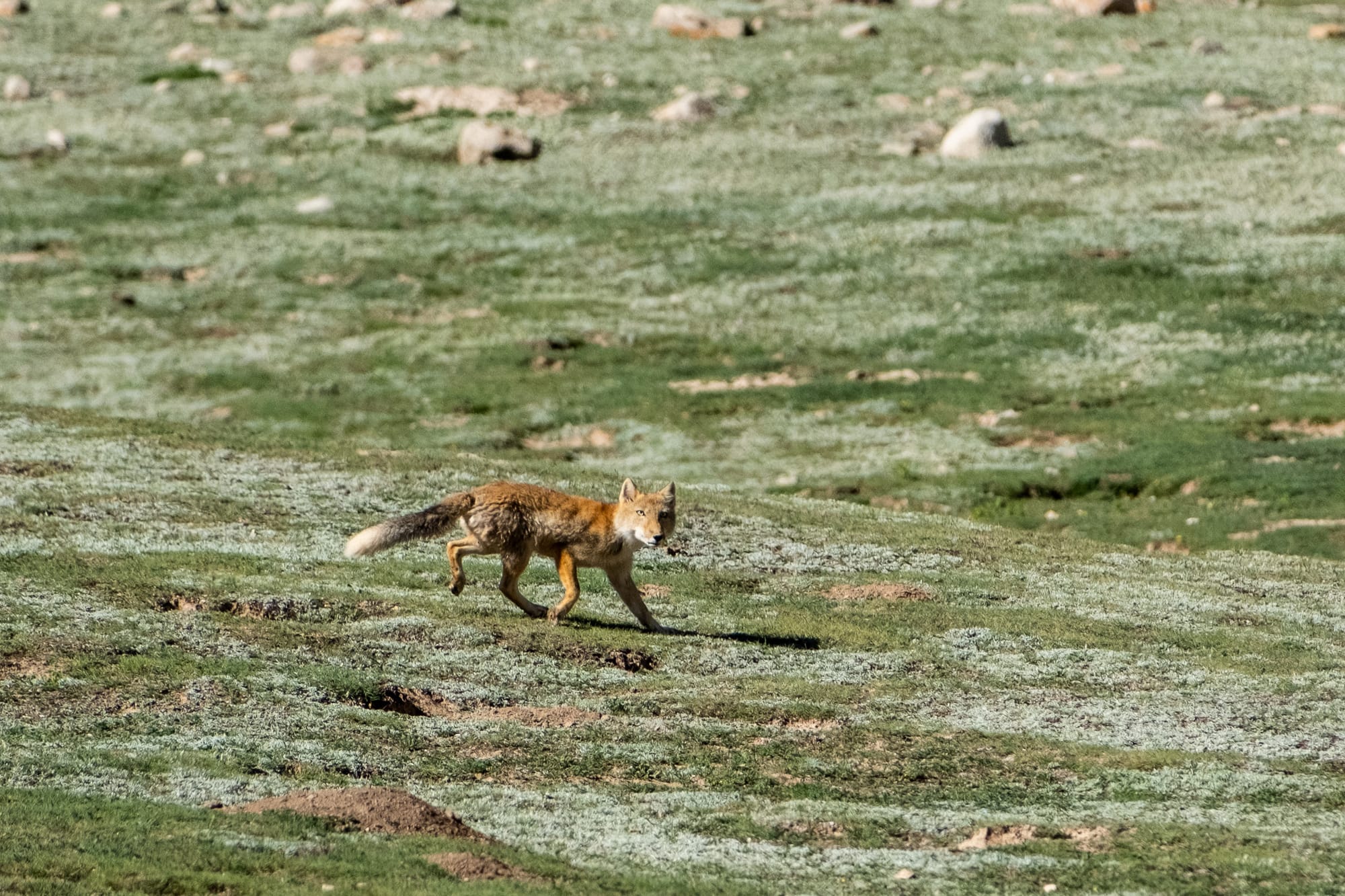
From top to bottom: Goa, Marmot, Wolf, Vulture, Bharal (main prey for snow leopard), Plateau Pika (integral to the food chain), Kiang (endemic), Tibetan Antelope (A conservation success story, and the subject of the 2004 film Kekexili: Mountain Patrol), and Tibetan fox.
Why travel with Kodama?
As a wildlife and nature specialist, we are proud to offer the Snow Leopard Safari Tour through Kodama Travel. Our Tibetan guide, Renqing, speaks Tibetan, Mandarin, English, and French. Renqing has worked on numerous wildlife documentaries, including Frozen Planet and The Velvet Queen. He was a local wildlife guide for filmmaker Vincent Munier. So this is truly an expert-led, once-in-a-lifetime experience.
As herders move to cities and leave their traditional life behind, being a wildlife guide presents a great career opportunity for many to remain connected to their land, without enduring the hardships that often come with being a traditional herder. We work with local herders to maximise our chance of spotting one. In the meantime, you'll learn a lot about the other charismatic plateau species, their habitat, and Tibetan customs. We follow strict wildlife guidelines, including keeping our distance and never disturbing the animals. Such ethical wildlife experience, therefore, helps protect these species whilst supporting the local economy.