Travel experiences vetting: how do we do it?
We often get asked: How exactly do you vet travel experiences? This is a manual of how we do it, and is constantly being updated to reflect our latest approach and thinking.

We often get asked: How exactly do you vet travel experiences and operators? This is a manual of how we do it, and is being updated regularly to reflect our latest thinking and approach, as well as conservation science.
First of all, we categorise the type of tours. Overall, our experiences fall into one of the three groups:
- Wildlife encounters: e.g. wildlife safari, whale watching, bird watching
- Nature and outdoor activities: e.g. hiking, skiing, mountain biking, canyoning and water sports
- City and cultural tours: e.g. city walking/cycling tours, cultural experiences, cooking classes, food tours
All our B2C tour operators must have at least a 4.5/5 rating on review sites (e.g. TripAdvisor, Google Review).
Wildlife Encounters
Ensuring wildlife welfare is non-negotiable for Kodama Travel. The principles we abide by are outlined extensively in our wildlife welfare policy, co-written with World Animal Protection US. For all operators, our first step is to review the experiences they sell, examine online photos and reviews, user-generated content, and their certificates, if any, to ensure they meet our wildlife welfare standards.
- Our first course of action is to do no harm. Without destruction and exploitation, there is no need for repair. Often in the travel industry, the megaphone has been given to companies that do symbolic gestures to repair, ignoring the fact that they are also responsible for fuelling the exploitation in the first place. There are many tours we categorically will never sell, as detailed in our Wildlife Policy. The headline ones are:
- Any animal performance
- Any activity that makes an animal engage in unnatural behaviour
- Any activity that involves animal cruelty, including circuses with live animals
- Any activity that involves eating or buying products made from wildlife. This includes whale meat in some countries, even though it is legally sold.
- Elephant riding and bathing, camel riding, and husky sledding
- We only allow horse riding when the operator cares for the animal, and would not overload the horse
- Sport fishing
- Aquariums
- We only support a few zoos that play a crucial role in wildlife rescue, rehabilitation, and conservation
- We do not rely on any certification, but lean heavily on in-house checks across different review websites and photos, especially user-generated content. We believe photo evidence often offers the biggest clues. Here are two case studies:
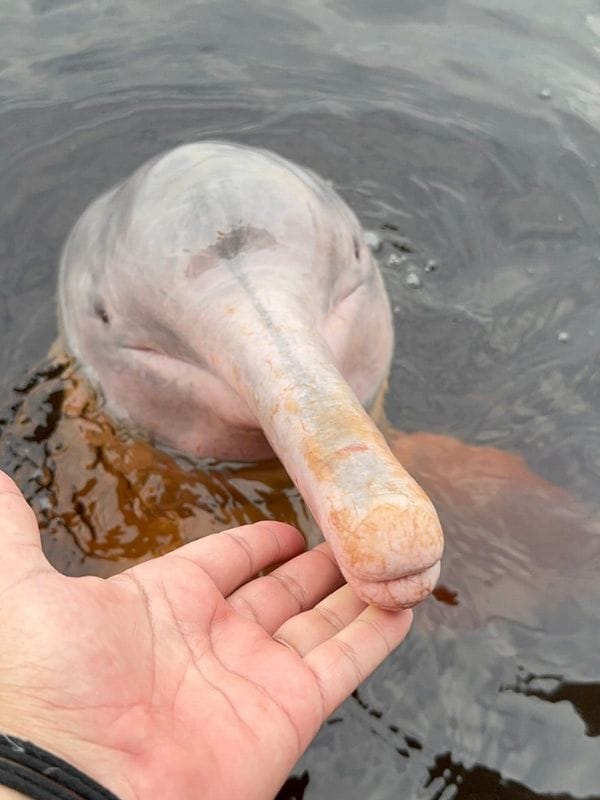
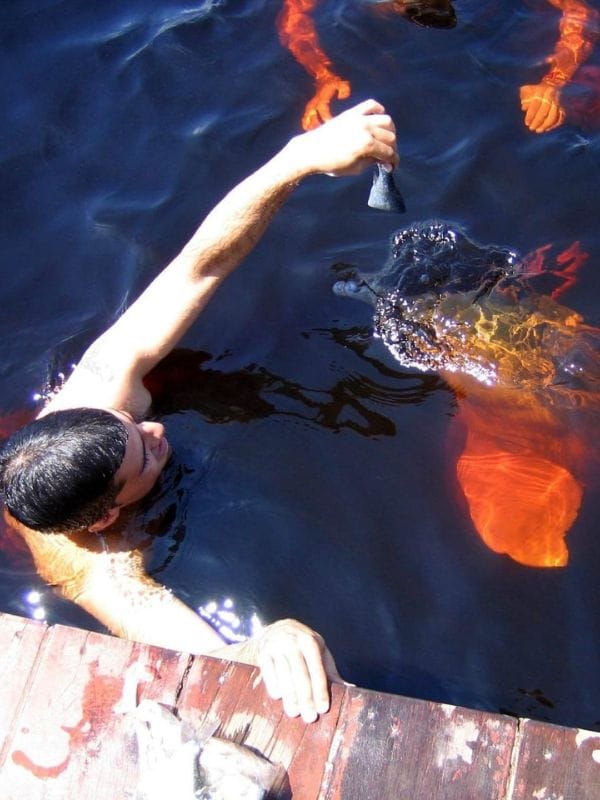
- Case 1: Experiences in the Amazon. Below are photos from 'ethical' travel operators that are certified to meet animal welfare standards on other platforms, or are recommended by travellers on forums. All of which are highly rated. However, such feeding behaviour is never ethical, and it alters natural animal behaviour.
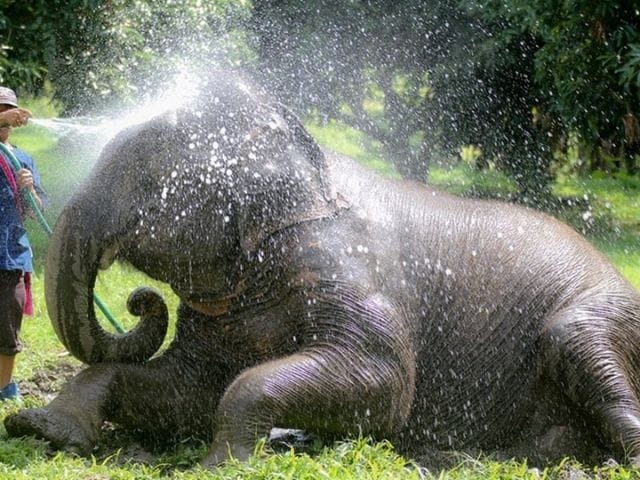
- Case study 2: Elephant sanctuaries. Below are elephant experiences offered by ethical sanctuaries and endorsed by some B-Corp certified operators. Although they are better than some outright abusive sanctuaries that offer elephant riding and performances, we believe the only ethical way to see an elephant is in the wild or at a no-touch sanctuary.
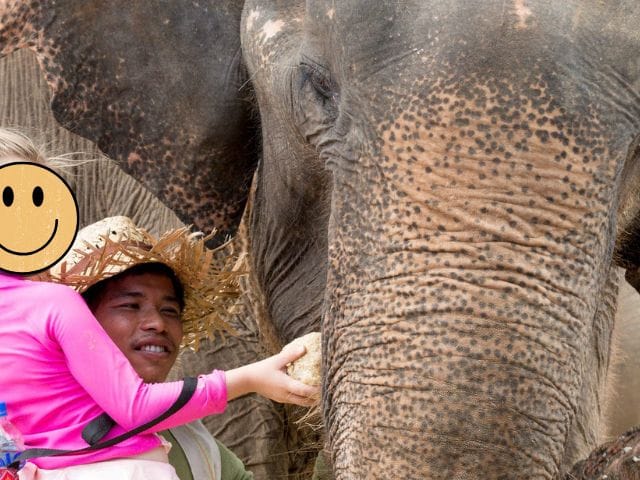
- For some experiences, there are global guidelines and nationwide regulations, such as whale watching in some parts of the world, whereas in other places, regulations are not often enforced or are lacking. Therefore, we also categorise experience risks by geography. For high-risk regions, where wildlife abuse and trafficking are rampant, we only approve an operator after we have tested it on the ground. You can find these in our Field Notes and on the experience page.
- In some geographies, we work directly with conservation NGO's travel programme, and we support in-destination conservation efforts through our network. Currently, we are supporting tree planting and uncovering illegal pangolin trafficking in Sabah, Borneo.
- We also support tour operators with a citizen science component in their wildlife tours.
Nature and Outdoor Activities
For these activities, we prefer to work with operators who have a sustainability initiative/pledge and years of experience to ensure the safety of our guests. As the tour industry is highly fragmented, there is no universally recognised certificate. For example, Qualmark is a common certification in New Zealand, whereas other countries, such as Australia, Costa Rica, Romania, and Iceland, all have their own country-specific accreditations. We also recognise that some small organisations doing great work have chosen to prioritise conservation project spending over obtaining accreditation; therefore, the lack of external approval does not mean a lack of effort or impact.
We prefer to work with operators who follow the Leave No Trace ethos, reduce single-use plastic on their tours, and never disturb animals in the wild. These are things we look out for when vetting suppliers.
For every operator, you can read about their own sustainability and social initiative in the 'about your host' section on every tour page. Some also offer add-ons when you book an experience, allowing you to donate to a chosen local environmental charity.
For Kodama Travel, we also pledge to donate £1 for every tour booked to Just One Tree to restore our forests and oceans. We have chosen to partner with Just One Tree due to their rigorous approach to tree-planting programmes. It's vitally important that any such efforts are science-led and benefit local communities. Having spoken with their founding team, I am happy that JOT has the rigour in place to vet the projects they fund. We do not support the carbon credit market as it is, as summarised by the Mongabay report on the state of the carbon market.
City and community tours
These tours normally pose little to no risk for wildlife. But there are a few things we don't condone:
- Food tours that sample food from protected species or companion animals. Examples include whale or dolphin meat (e.g. Iceland, Norway, Japan), pangolin scales in Laos, and a worrying trend of lemurs on the menu in Madagascar. We also do not support eating dogs and cats in parts of East Asia. In China, they often come from stolen pets, and are ILLEGAL under food hygiene laws.
- Poverty tours: the kind of tours that take one to a slum to see poverty
- Marginalised/minority community tours: these can sometimes feel like a human zoo. Additionally, income typically doesn't flow into the community, and in some instances, the authority has an incentive to maintain the community's marginalised/informal status, as it has become a tourist attraction. Many of these involve complicated histories that span cultural, religious, and ethnic lines, but a rule of thumb is that we don't run tours that take one to see a group of people as if they were a kind of curiosity.
We believe in bringing indigenous environmental knowledge into the current conservation discussion. To reduce economic leakage, we prioritise working with locally-owned and operated tour operators. We are not just looking for guides, but storytellers who can show our guests the place from a different perspective, sometimes challenging the prevailing media and political discourse.
We are by no means perfect, and we recognise that no tour operator or even regulator can control everything that happens in a forest or at sea. However, we do our best to make science-based decisions. We also encourage our guests to report any unethical behaviours during their tours, and we will take necessary action. You can also report wildlife in captivity and welfare concerns to Born Free's Raise the Red Flag online portal.
If you have any questions about the process or would like to raise concerns about a tour, please get in touch.