Christianity in Yunnan: French missionaries and a new frontier
Deep in Western Yunnan is the UNESCO World Heritage Site: the Three Parallel Rivers region. Here's the story of how Christianity took root — and what these border communities are navigating today.

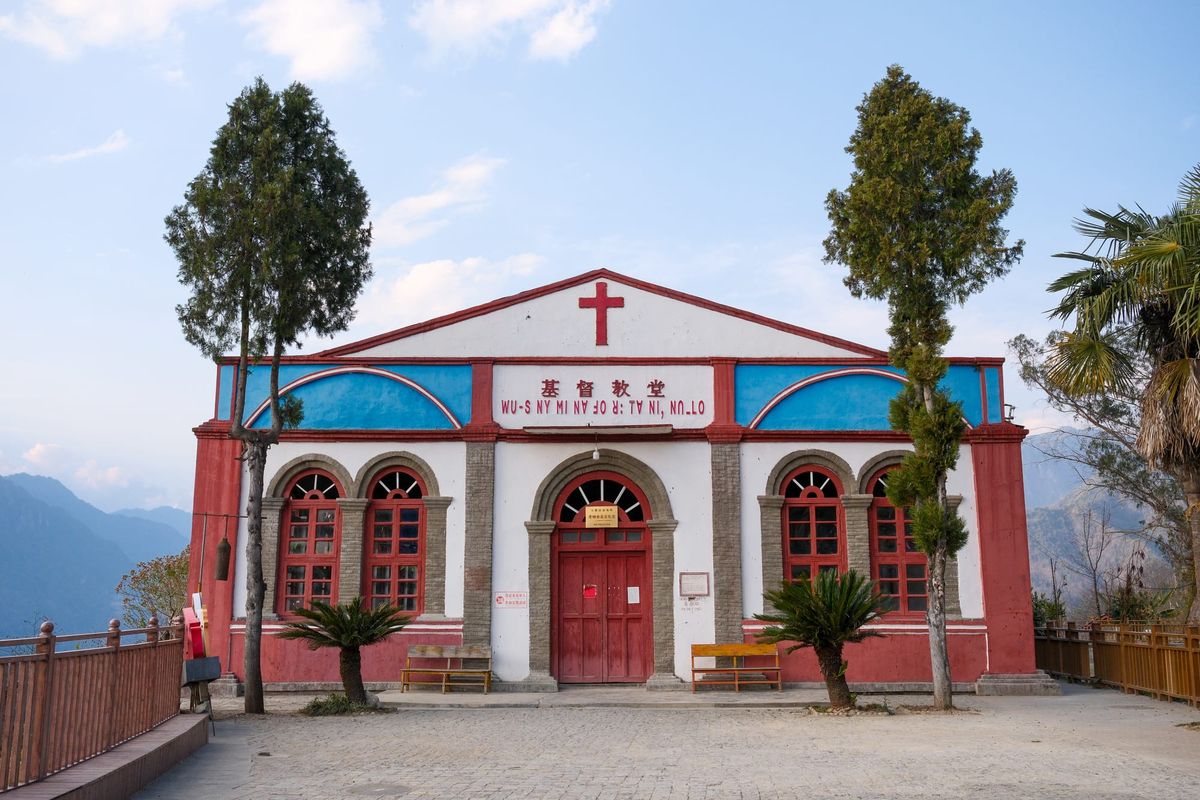
In Western Yunnan, near the Myanmar border, is the UNESCO World Heritage Site - the Three Parallel Rivers. Here, three mighty rivers began their journey: the Nu and Lancang River travel south and will become the Salween and the Mekong, whilst the Jinsha River flows eastwards and will become known as the Yangtze. Deep river valleys not only gave rise to distinct ecosystems but also nurtured different ethnic groups with their own cultures, cuisine, and language.
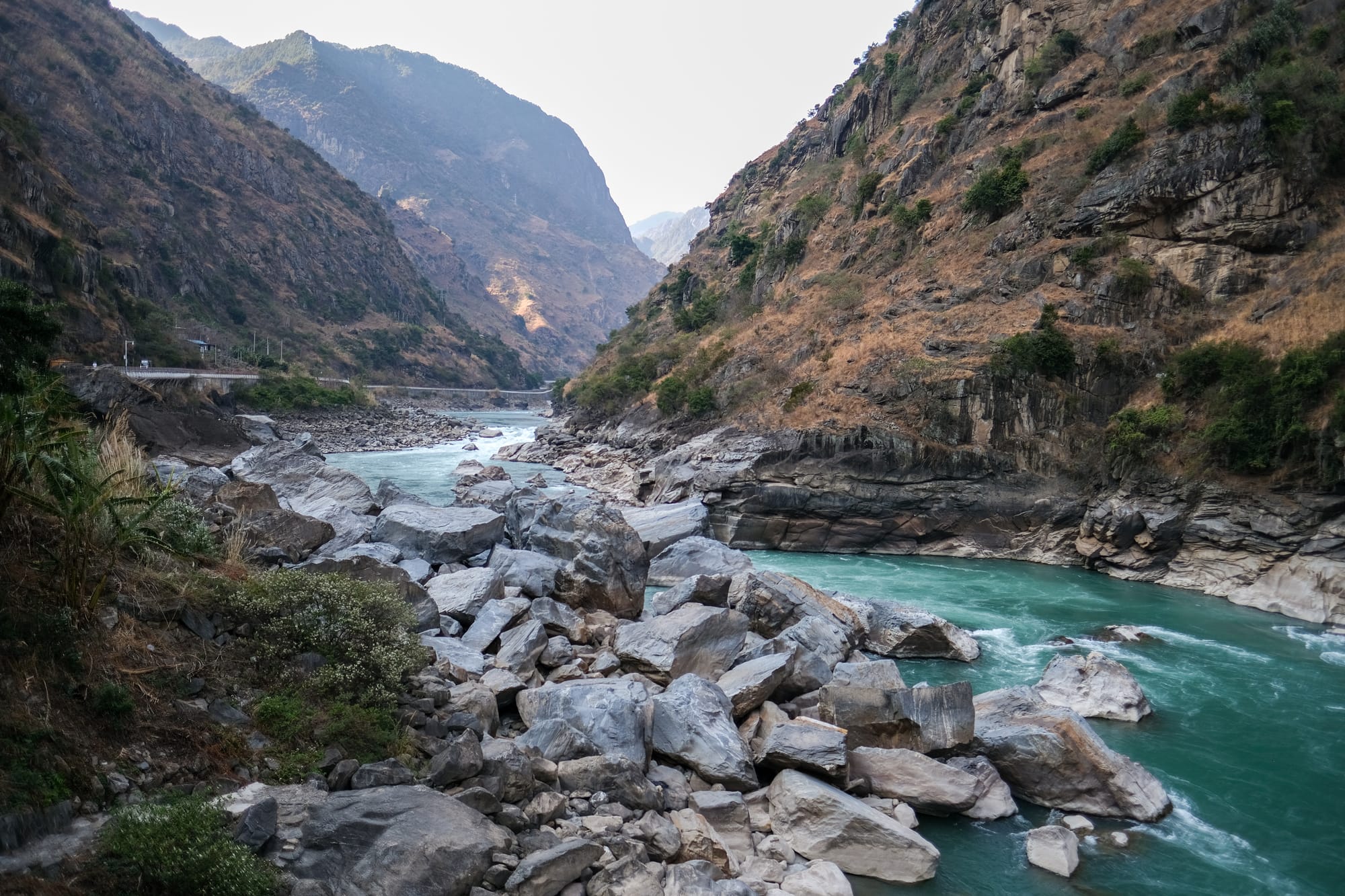
This part of Yunnan also borders Tibet to the North. Along the now-famous self-driving route Bingchacha (the G219 route), which connects Yunnan with Tibet, travellers will reach many border villages, such as Laomudeng, Bingzhongluo, and Qiunatong. But how come this region, sitting at the foot of Tibet, came to believe in Christianity? The story traces back to French missionaries in the 20th century, the enduring allure of Tibet, and the Opium War.
The allure of Tibet
French Catholic missionaries from the Paris Foreign Missions Society (Missions Étrangères de Paris, MEP) had long had their sights set on Tibet. But their route to the region has not been easy. The Qing dynasty and the Tibetan local government have fiercely resisted their approach; consequently, many of their religious activities are disguised as commercial dealings. This coincided with the end of the Second Opium War, in which the Qing dynasty found itself on the losing side. To support the missionaries, the French government insisted that the Treaty of Tianjin, the unequal ceasefire treaty China was forced to sign, include the right of priests to travel, purchase land, and build churches across mainland China. Although Tibet was not explicitly included as part of the mainland back then, it did not stop the missionaries' pursuit of entering the region.
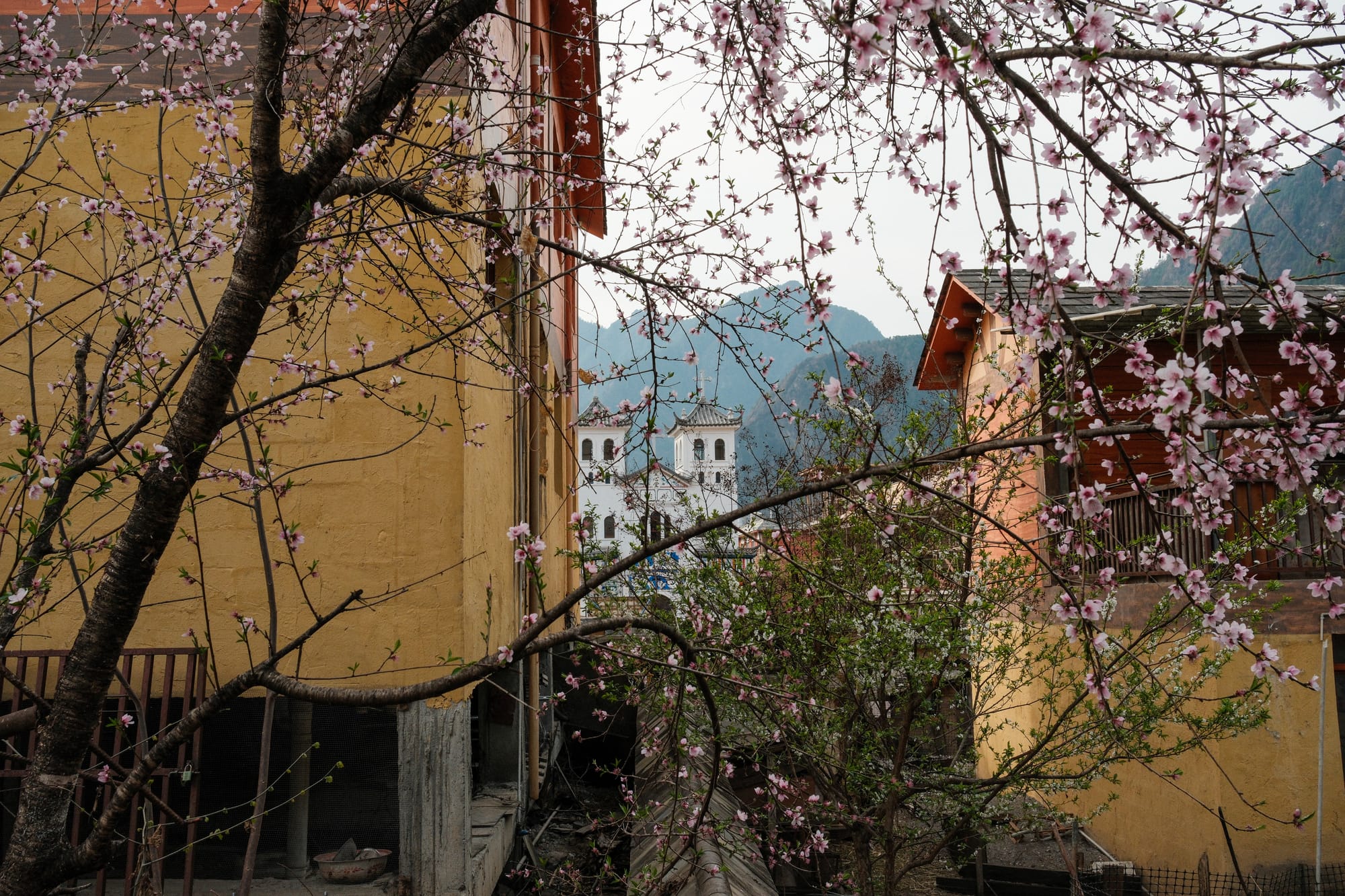
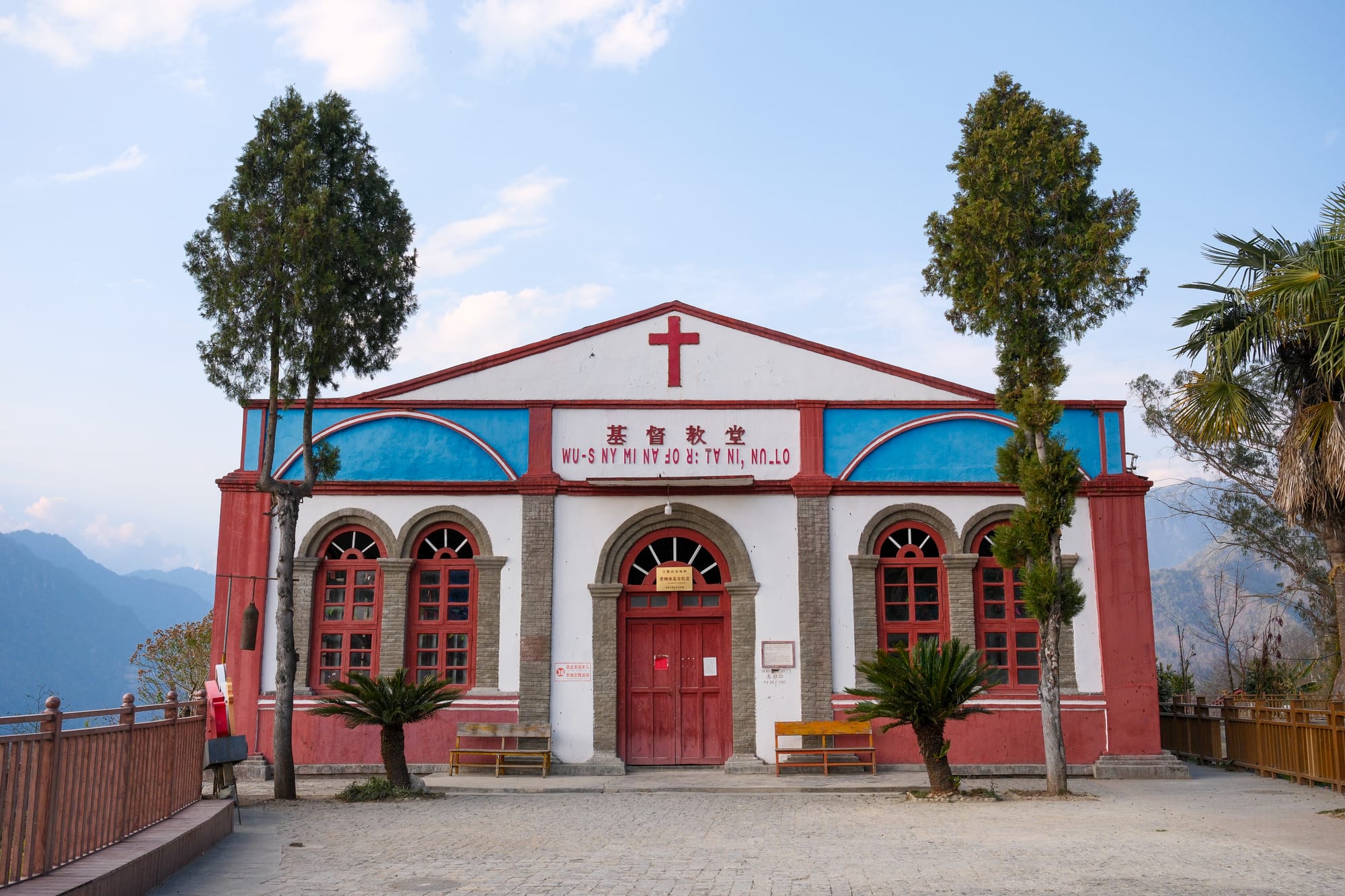
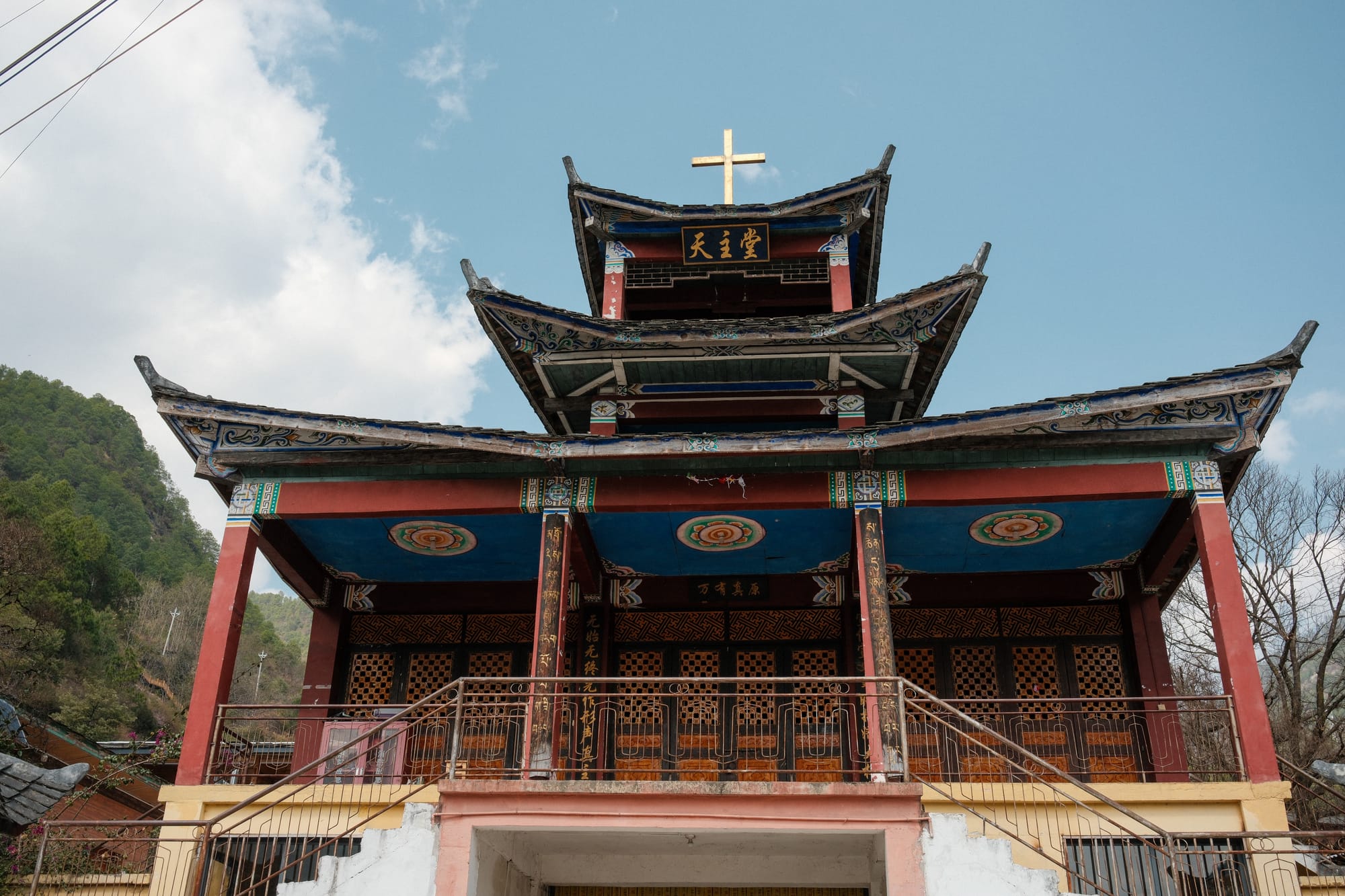
One of the priests taking advantage of the newfound legal right is Charles René Alexis Renou, backed by the MEP, who was the first westerner to cross the Three Parallel River valley, and eventually set up his base in Bengga, Tibet and Qiunatong, Yunnan. His first followers were 22 orphans and 12 enslaved adults. At that time, the early converts included oppressed ethnic groups by the Tibetan aristocracy, such as those from the Nu and Dulong groups, orphans from indebted families, the poor, the enslaved, and those escaping the Tibetan society for whatever reasons. This was the early Christian history in Yunnan, a continuation of a long Christian history in China that began much earlier along the coastal regions. Between 1854 and 1950, Christianity, through local resistance and uprisings, waves of determined priests, and wines and vaccines, arts and culture, eventually became part of the social fabric of this region and has shaped the lives of people here to this day.
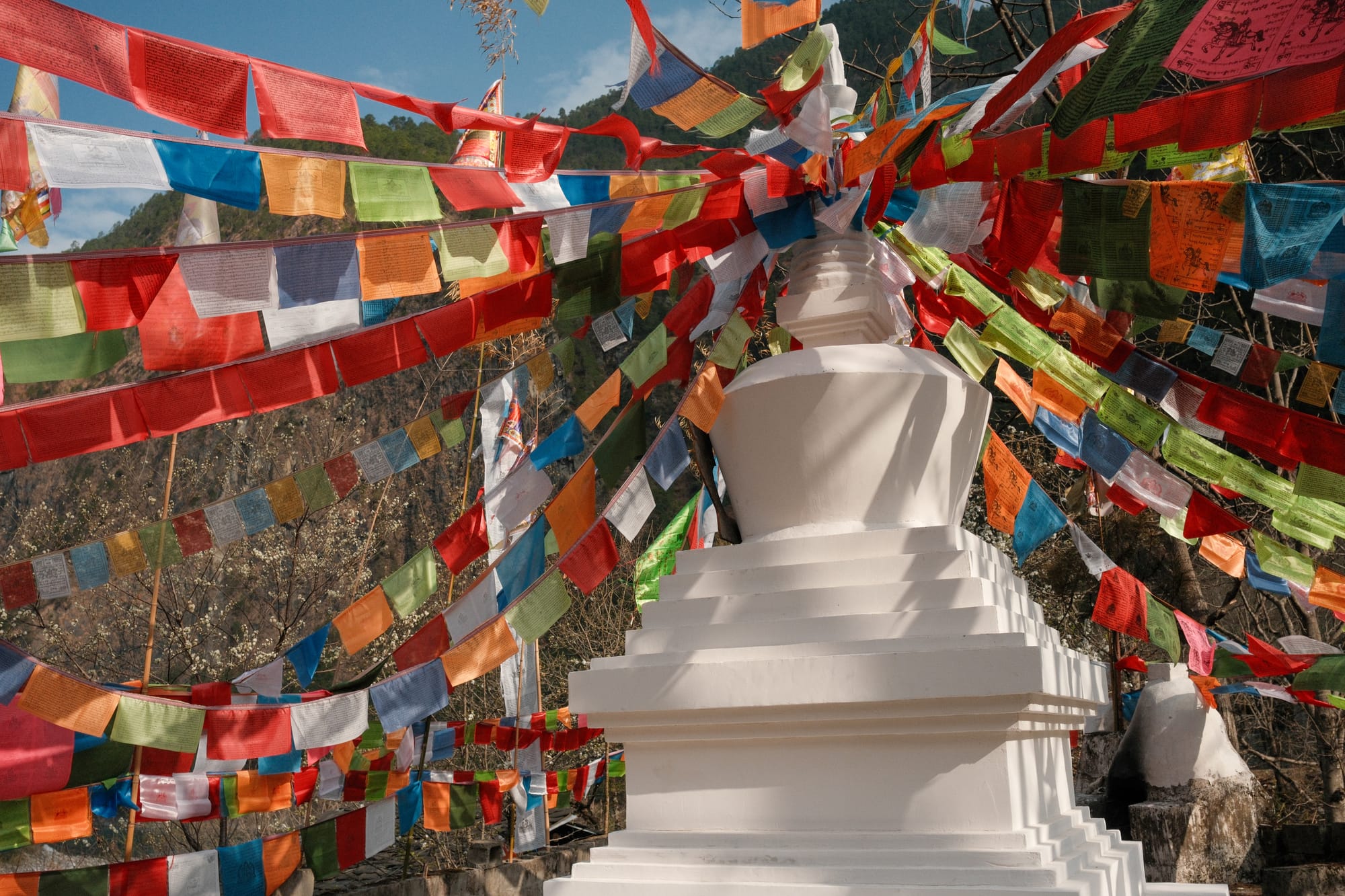
At Wulicun, a town still accessible only on foot via the ancient tea-and-horse road, it is not uncommon to find multi-faith households where Christianity and Tibetan Buddhism coexist.
A new frontier
Today, with the renovated G219 Route, these once quiet border towns have become popular tourist stopping points, especially for travellers heading to Tibet or the North of Yunnan. For many ethnic groups who have lived here for generations, their lives have changed drastically. Their old rhythm, once dictated by agricultural activities, now also factors in travel seasons, as many now run home-stays and restaurants as a side hustle. We were here during early March, just after the peak travel season of the Spring Festival. Many locals have wound down their restaurant or hotel businesses and turned their gaze back to the field, as March to April is the time to plant the corn and harvest tea.
Some may lament that the influx of travellers will change the seemingly idyllic lifestyle of the people here. But many locals have welcomed the improvement of the infrastructure. Only a few years ago, driving along this route was nothing less than exhilarating, with part of the car's wheel hanging off the cliff a common experience. "Riding on these roads was not for the faint-hearted", a local told me. Today, it is a two-lane road with a cycle lane, and not a single pothole to be found.
Travellers, like the missionaries before them, will once again change the region's social and economic fabric. And how will this reshape these societies, the unique ecosystem, and the wildlife?
The balance between tradition and development is a dilemma facing many regions today. It's not uncommon to see old towns and communities being reduced to soulless commercial hubs, whilst the local communities are either displaced or engulfed by the pursuit of capital. I think travellers and the wider travel ecosystem have a role to play in keeping the history, traditions and uniqueness of the communities alive. Can we travel in a way where we learn to appreciate the layered memories and stories echoed through the mountains, valleys, and songs, or are we simply seeking home comforts and familiarities in remote regions? This is a choice we travellers can make.
Discover Kodama Travel's trip to the Three Parallel Rivers region, where we'll take you through the Christian villages near the Nujiang valley to the Tibetan Yunnan in the North, a trip that blends faith, history, and incredible wildlife.