Puffins, razorbills, guillemots and more: a British seabird spectacle
Sir David Attenborough named the Farne Islands as his favourite place to see nature in the UK. Standing on Inner Farne Island, it is not hard to see why. Here we breakdown how to see them and the conservation challenges ahead.

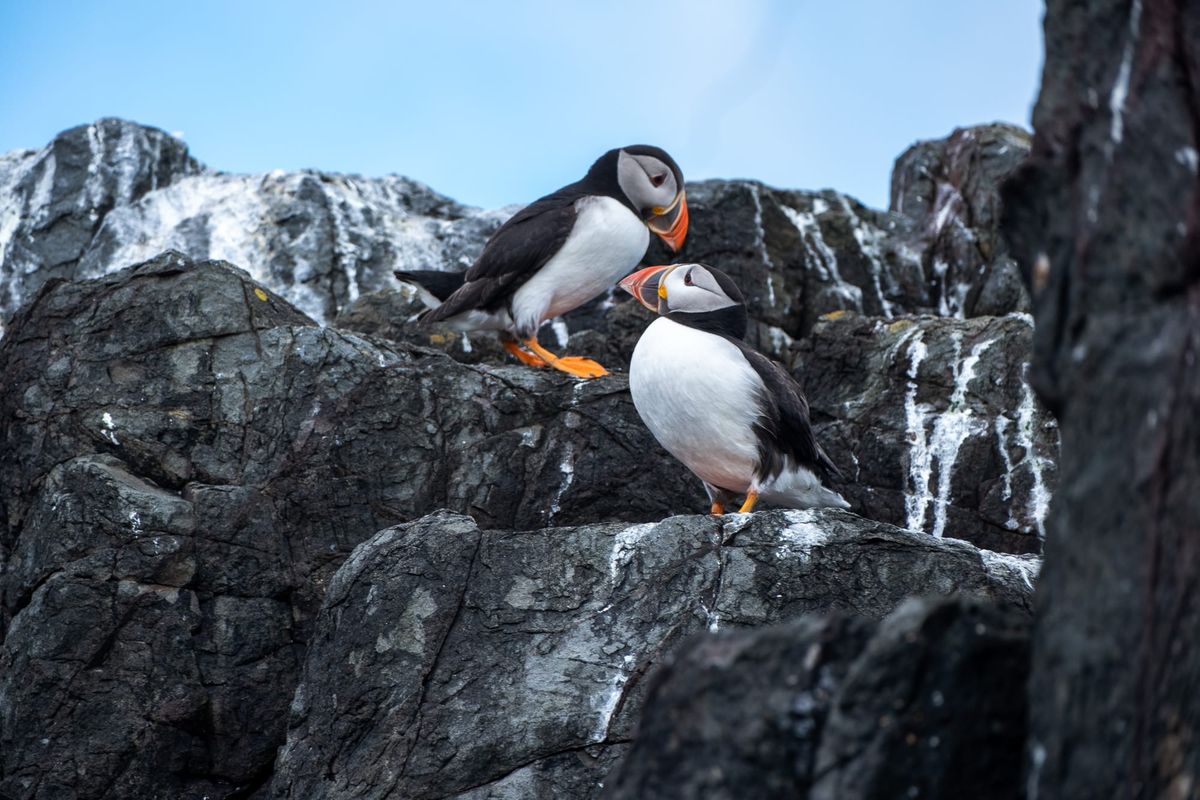
Sir David Attenborough named the Farne Islands as his favourite place to see nature in the UK. Standing on Inner Farne Island, it is not hard to see why. The seabird nesting season here is nothing short of a wildlife spectacle.
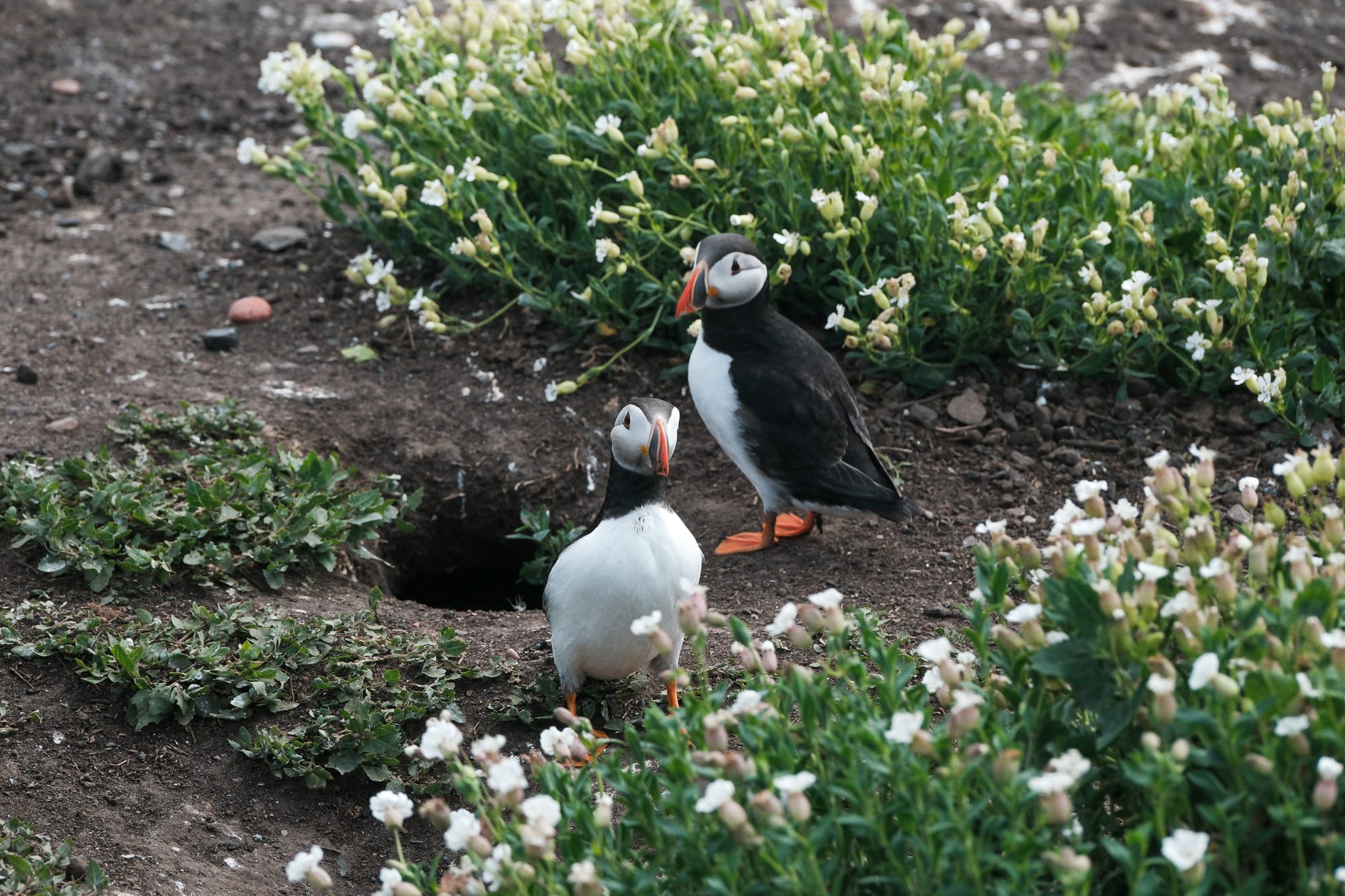
Every summer, 23 species return to these clifftops to nest: puffins, razorbills, guillemots, Arctic terns, kittiwakes and more. The site is a nature reserve managed by the National Trust.
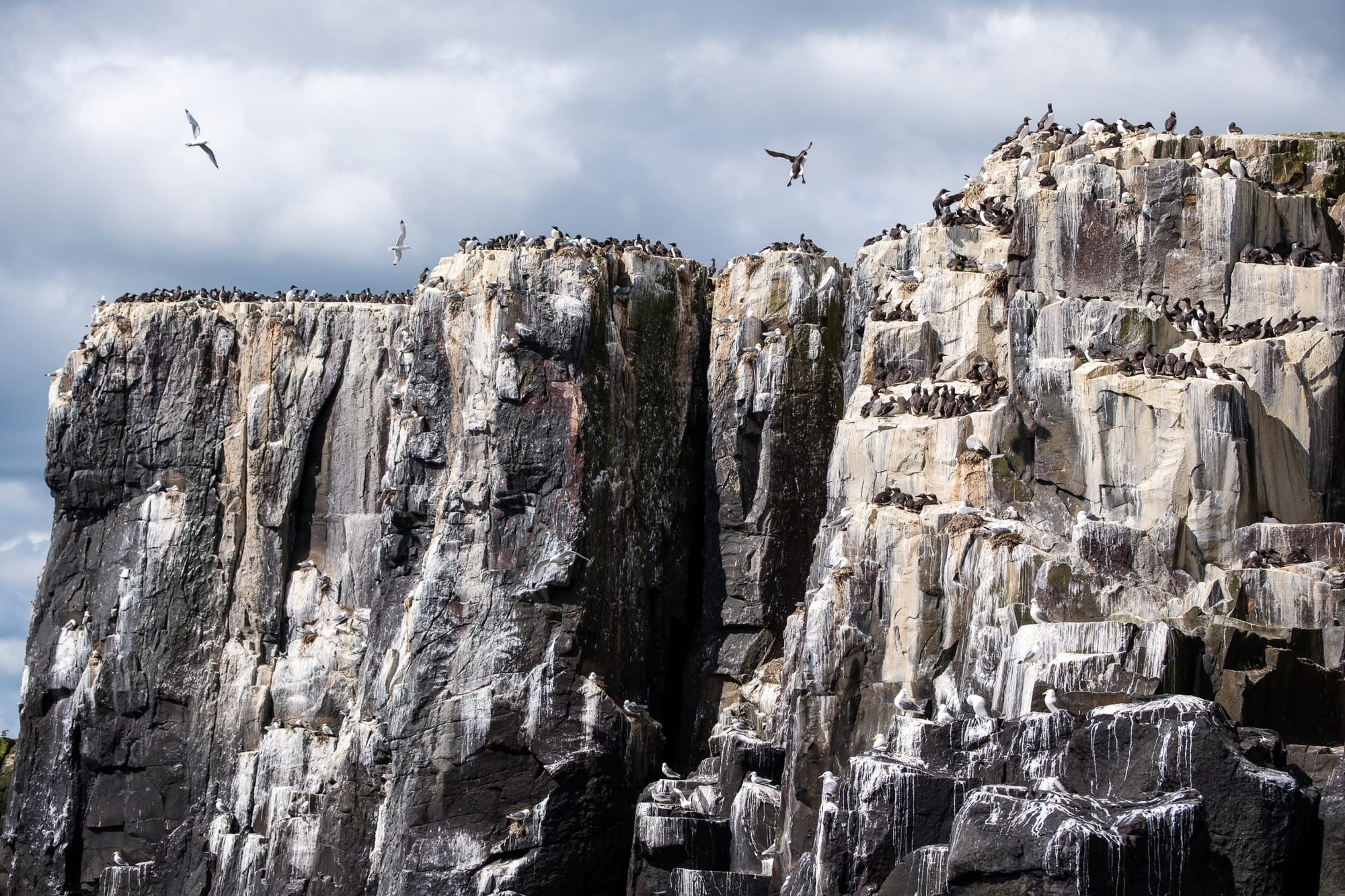
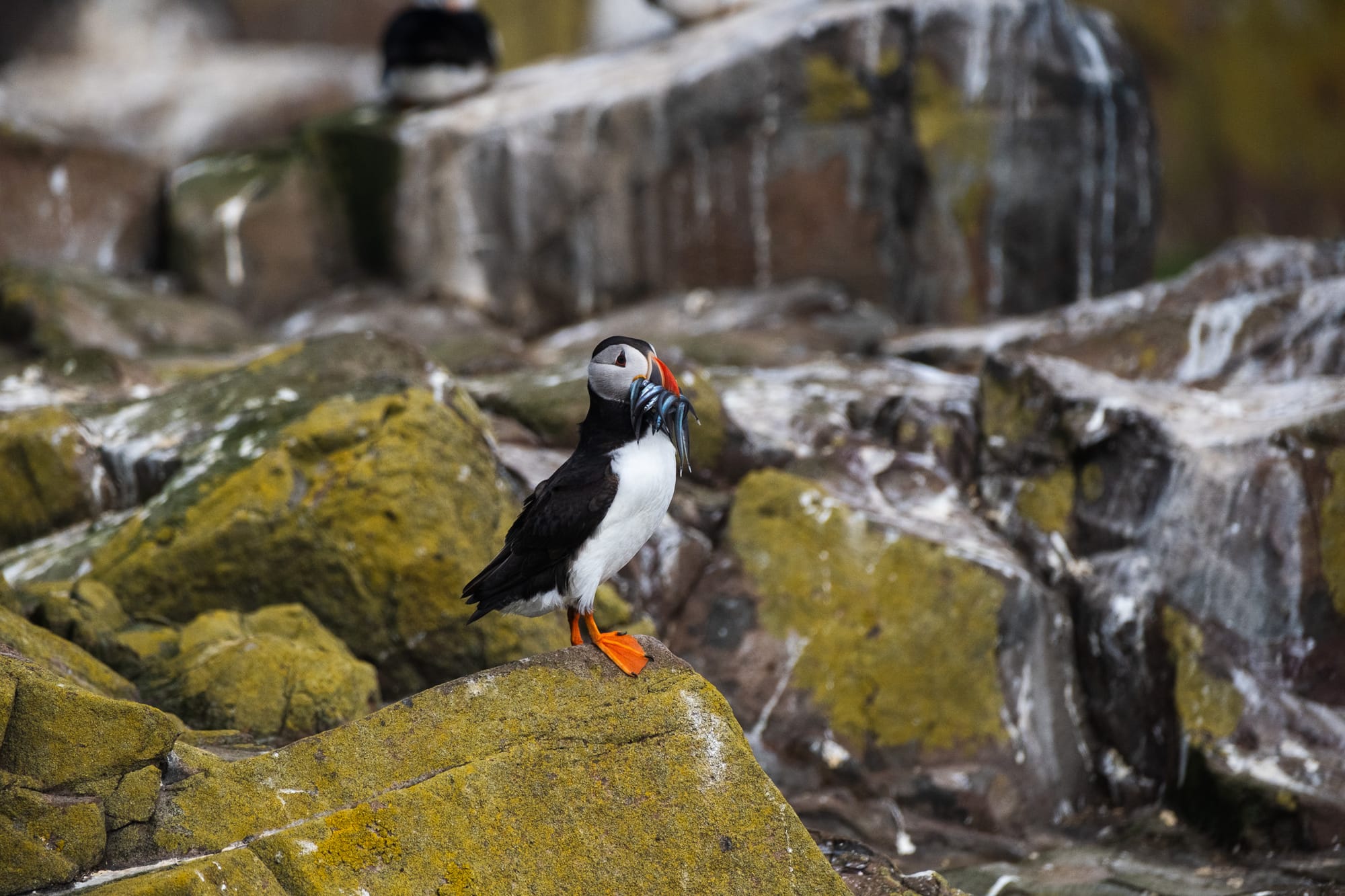
The UK is home to 8 million globally important seabirds, many of which rely on sand eels as their main food source. The 2024 ban on sand eel fishing in UK waters is vital for our seabird conservation. As seabird populations are declining globally, preserving their main food source should be high on the conservation agenda.
How to see seabirds at Farne Island
You can visit the islands by joining a marine safari, or take a combo tour that includes both a boat tour and landing on the Inner Farne. By landing on the island, you'll meet the rangers and step into the middle of one of Britain's great wildlife spectacles. Landings are at the discretion of the National Trust, and all landing fees go directly to conservation on the islands.
The best time to visit UK seabird colonies is from May to July, during the peak breeding season. For the Farne Islands, all tours depart from Seahouses, Northumberland.
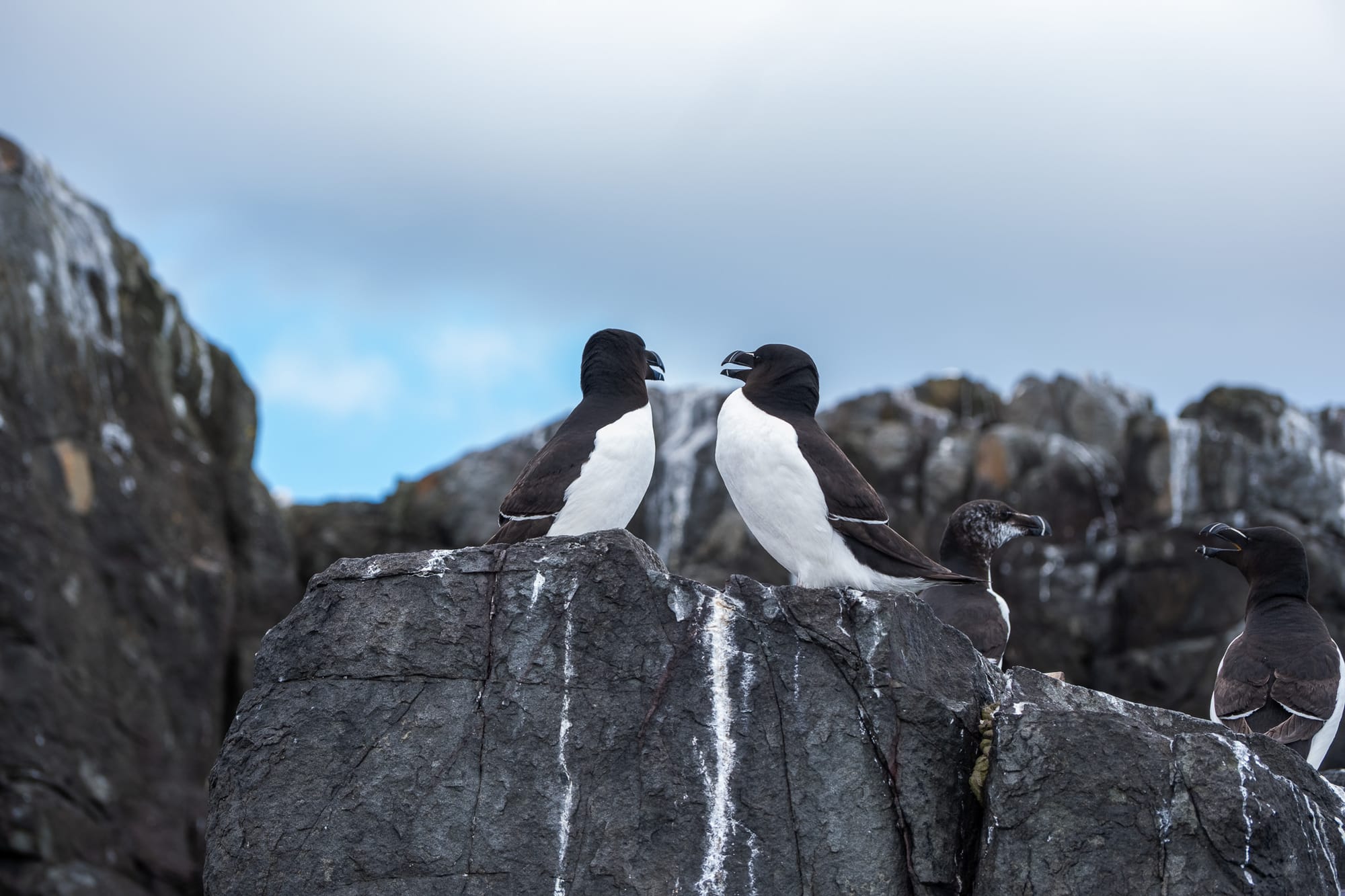
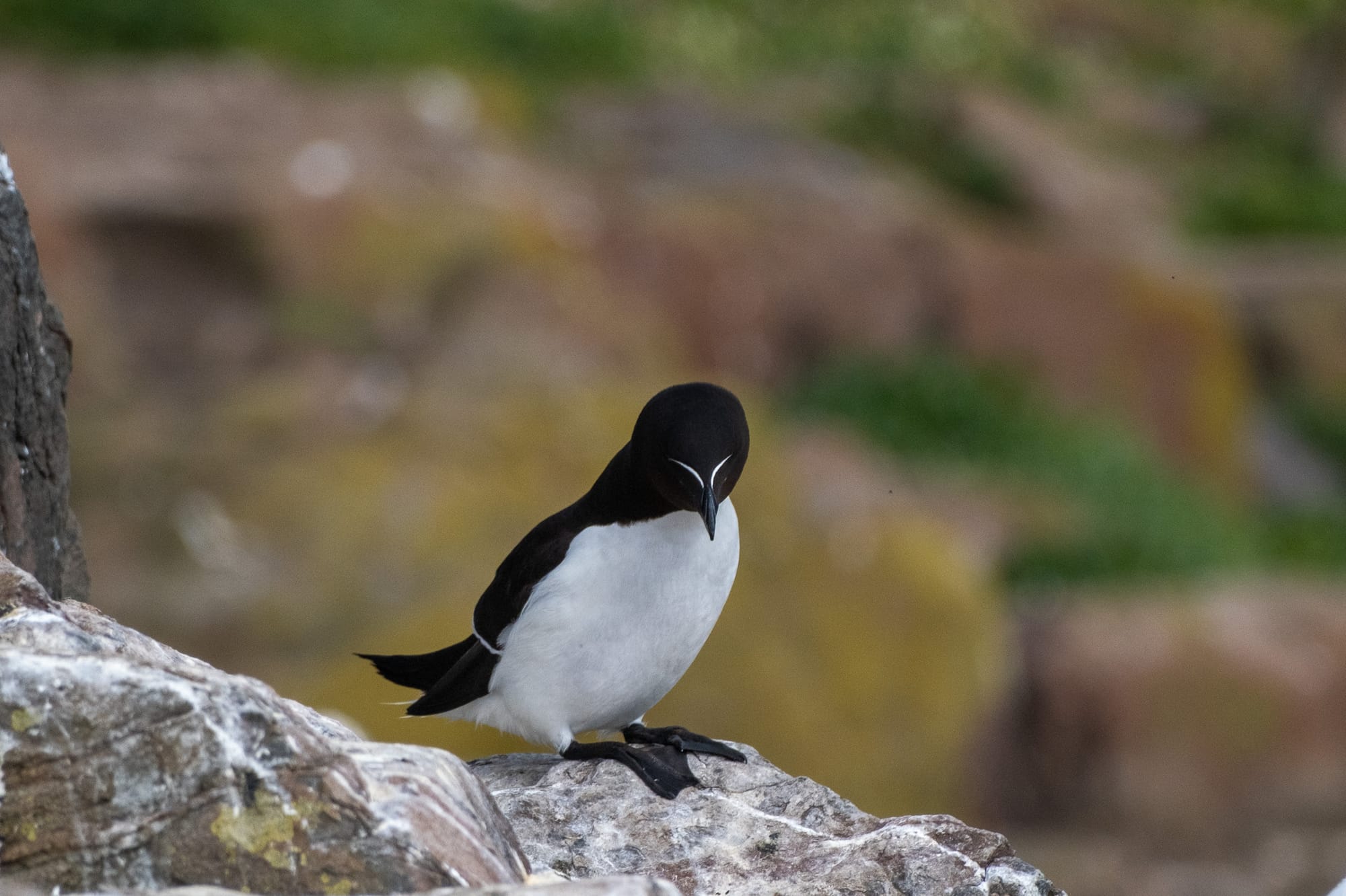
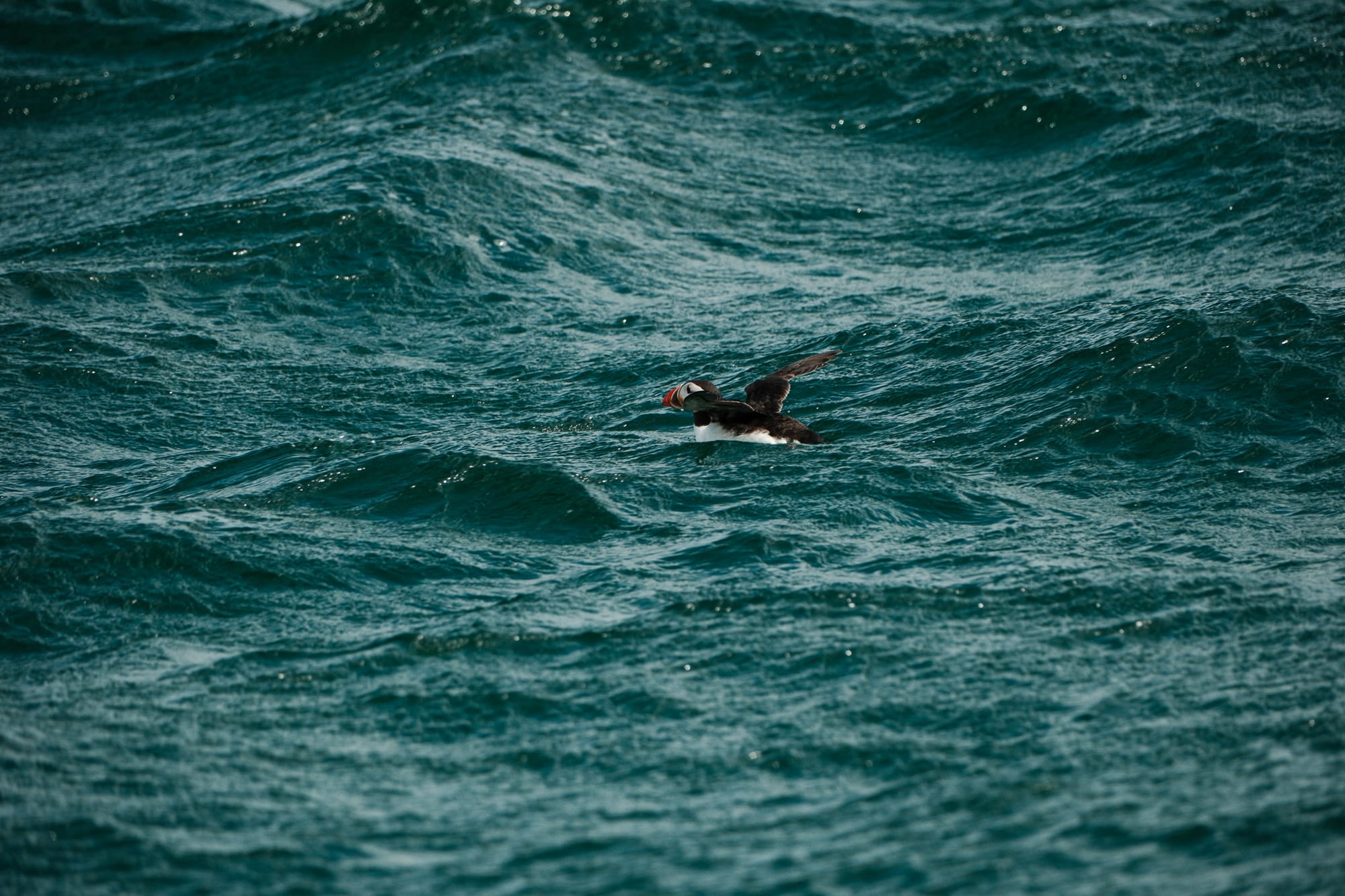
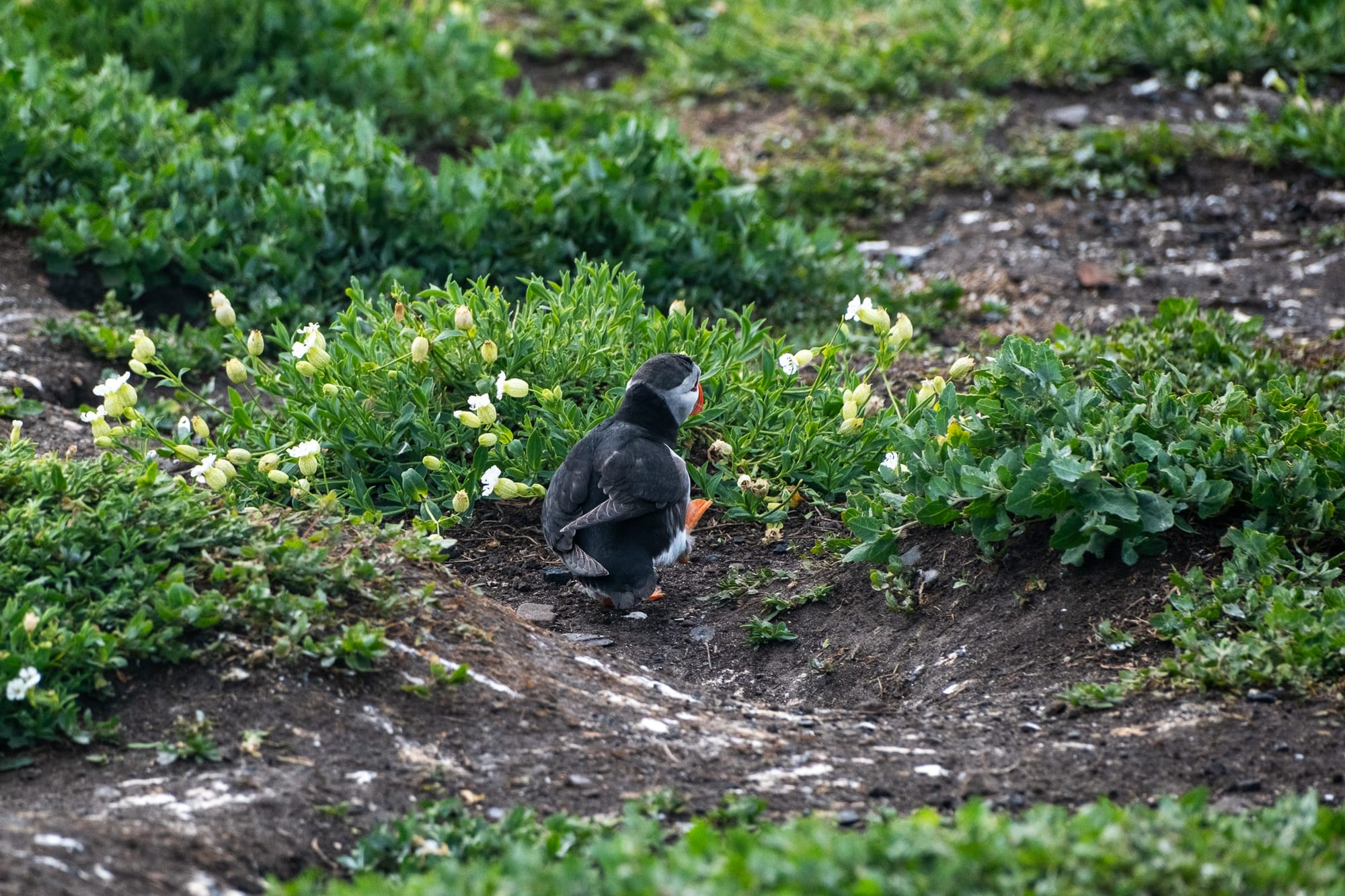
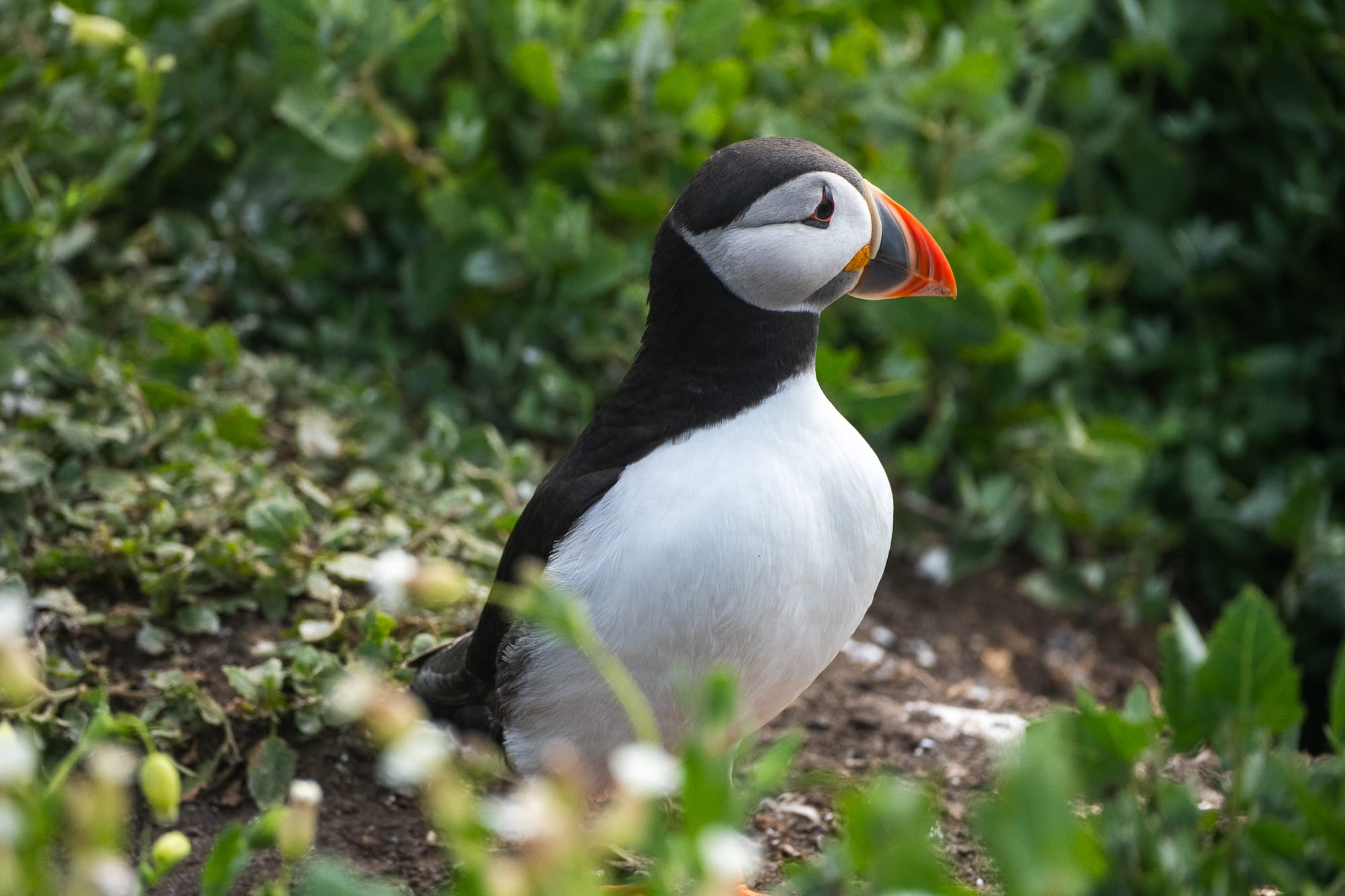
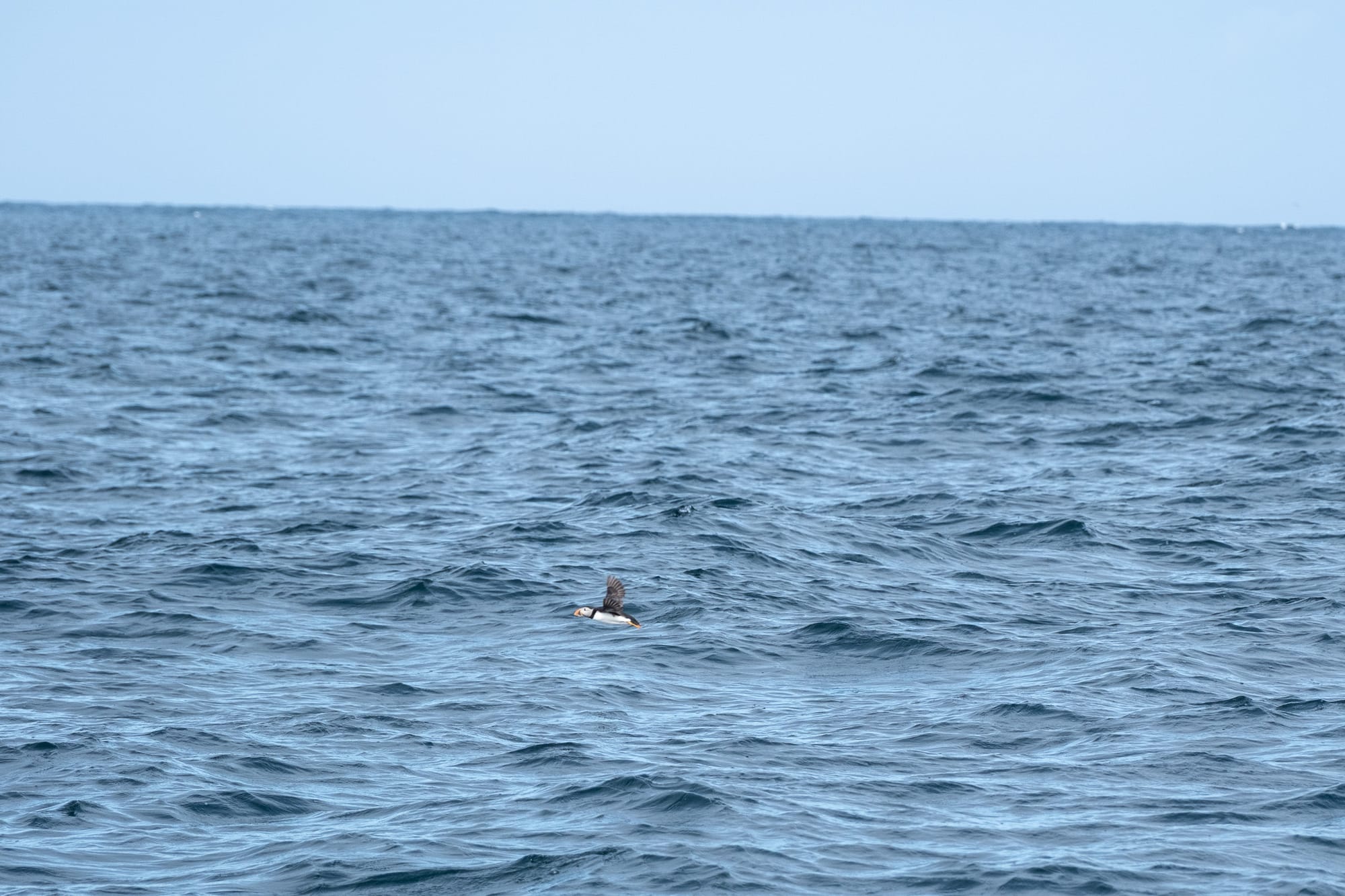
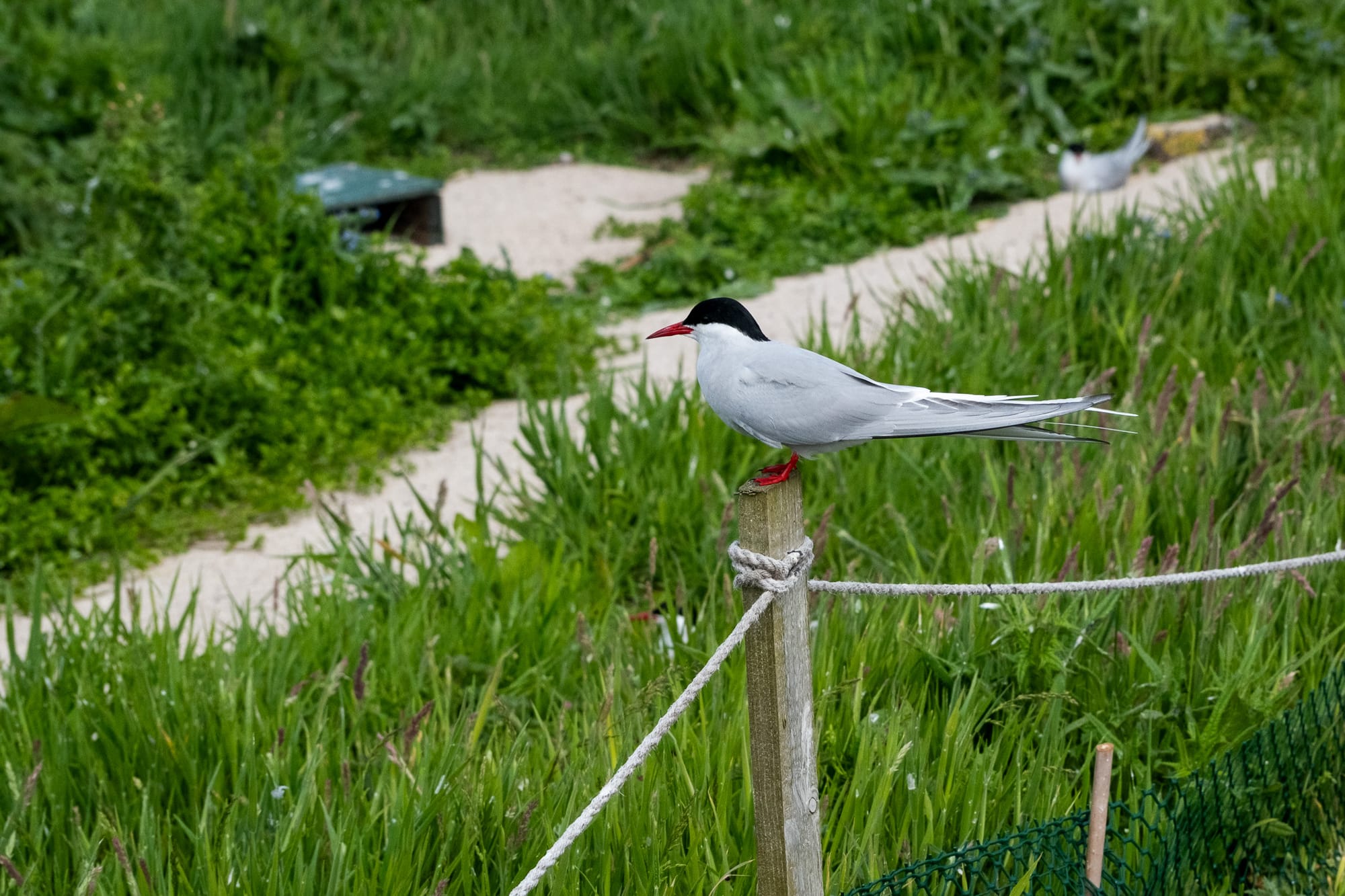
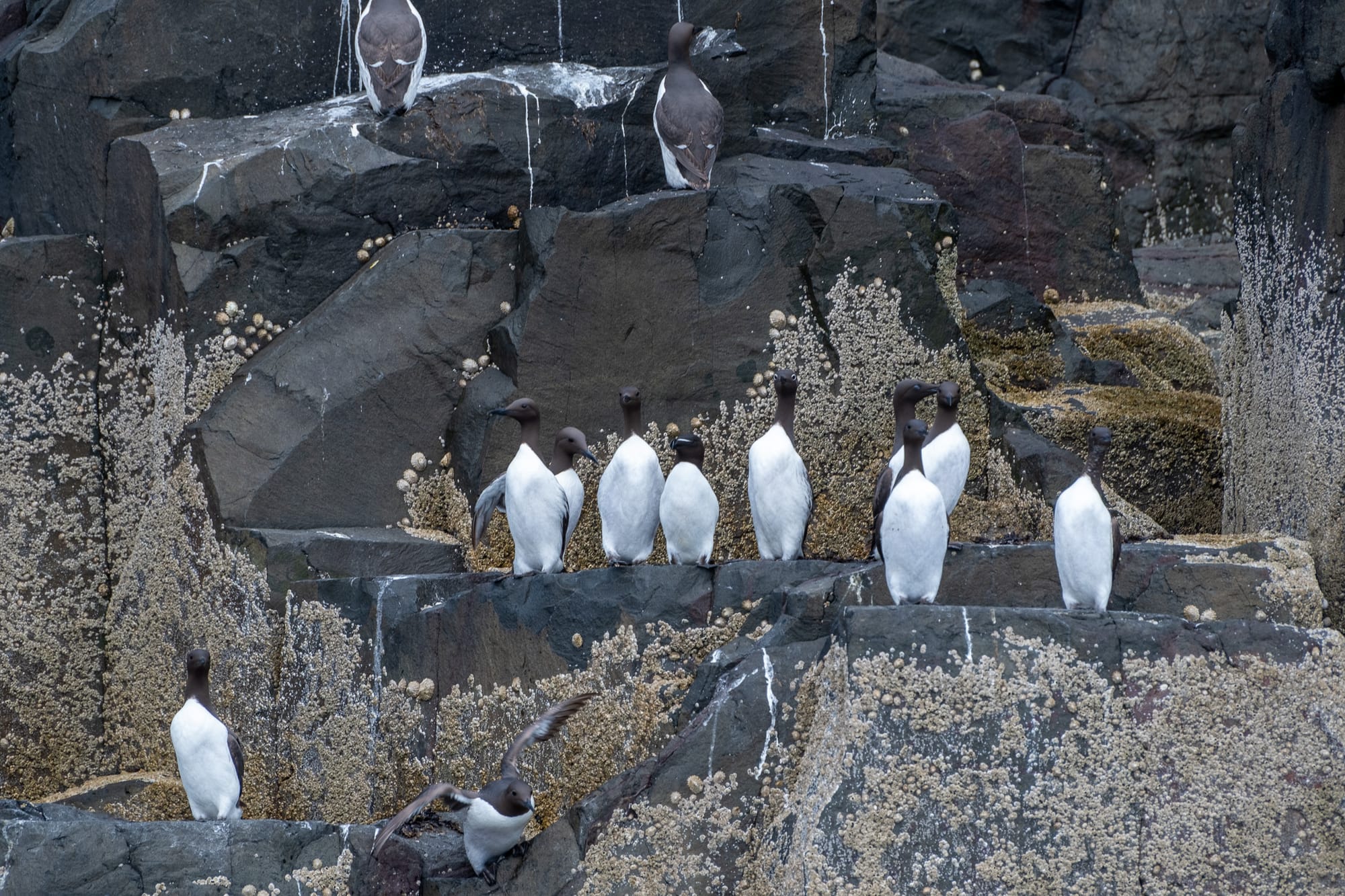
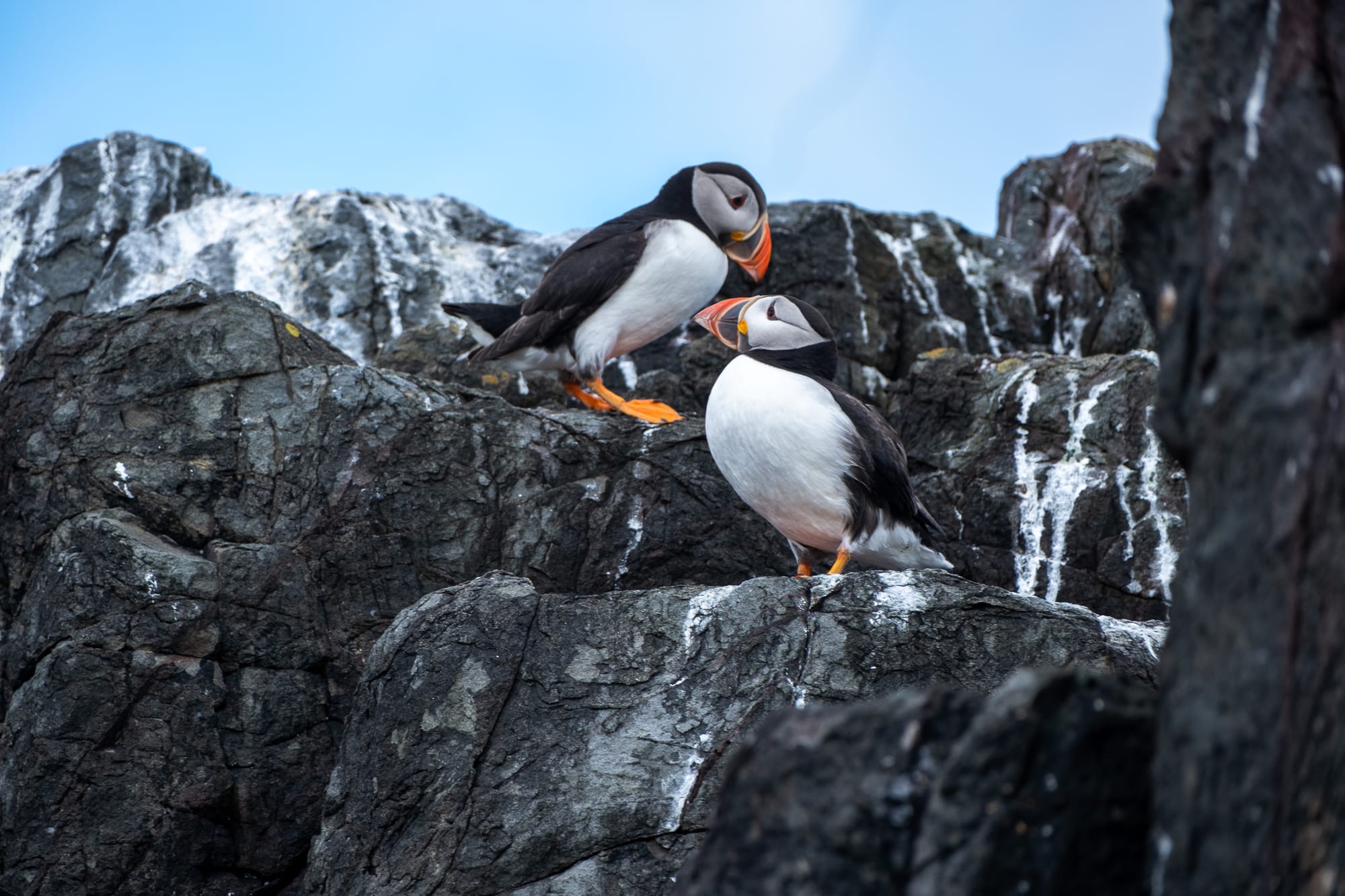
Seabirds on the Farne Islands, UK
All the marine safaris at Farne Island will also take you to see the nearby grey seal colony. Every autumn, around 3000 pups are born here. Around 40% of the world’s grey seals breed in the UK, making this country an extremely important site for the species.
However, a growing seal population near Farne Island is another threat to seabirds, as their large size and hauling-out habits can destroy vital nesting habitats, as seabirds like puffins rely on ground burrows for shelter and protection. This may prove to be a unique conservation challenge, as both species are nationally protected.
The challenges ahead
Climate change
Rising sea temperatures can make the North Sea no longer suited for sand eels, thus disrupting the prey base seabirds depend on. Increasingly severe storms can endanger birds both at sea and during nesting season, and summer heatwaves stress colonies on land.
Overfishing and bycatch
Industrial sandeel fishing in the North Sea directly competes with seabirds for their primary food source. After years of campaigning by the RSPB and others, the UK government closed sandeel fisheries in English North Sea waters and all Scottish waters in 2024 — a significant win, later upheld by an international arbitration panel following an EU challenge. However, they are still fished in EU waters.
A new report published by Wildlife and Countryside Link estimated that over 10,000 seabirds die each year as bycatch in UK waters, and across the nation, 62% of UK seabird species are in decline. The UK government must act urgently to protect our seabirds and other marine species from unsustainable commercial fishing.
Avian influenza
The H5N1 strain first detected in the UK in 2021 swept through seabird colonies, including the Farne Islands in 2024. Seabirds are uniquely vulnerable: they breed in dense, crowded colonies, produce only one or two chicks per year, and gather at a small number of fixed sites, meaning a single outbreak can take out a substantial portion of a national population in one season. Rangers are still determining the overall population health at places like the Farne Islands.
Invasive predators
Methods to control invasive predators like rodents have proved effective in protecting seabirds. When visiting these islands, make sure to check any rodent stowaways. The National Trust also provides shoe sanitation sites to ensure visitors do not bring in unwanted guests or viruses.
Why Responsible Tourism can be Part of the Answer
Conservation at scale requires funding. Landing fees at the Farne Islands through these tours are paid directly to the National Trust, which employs rangers, conducts annual colony population counts, and manages bird conservation. It is also a great way for people to appreciate the diverse seabird population we have, and hopefully will inspire more people to act.