What does ethical wildlife watching entail?
Seeing wildlife should benefit the animal, not just the traveller. We break down what ethical wildlife watching means and the red flags to watch for.


Wildlife watching is one of the most powerful experiences travel can offer. Seeing a humpback whale breach, tracking a proboscis monkey through Borneo's canopy, watching a flock of cranes take flight — these are the moments that inspire people to take action to protect this planet. Furthermore, many such activities fund local conservation initiatives.
But not all wildlife watching is equal. And unfortunately, wildlife exploitation is widespread in the travel industry - sometimes even being masked as 'eco', 'ethical', and 'supporting conservation'.
So what does ethical wildlife watching mean?
The rule of thumb: no touch
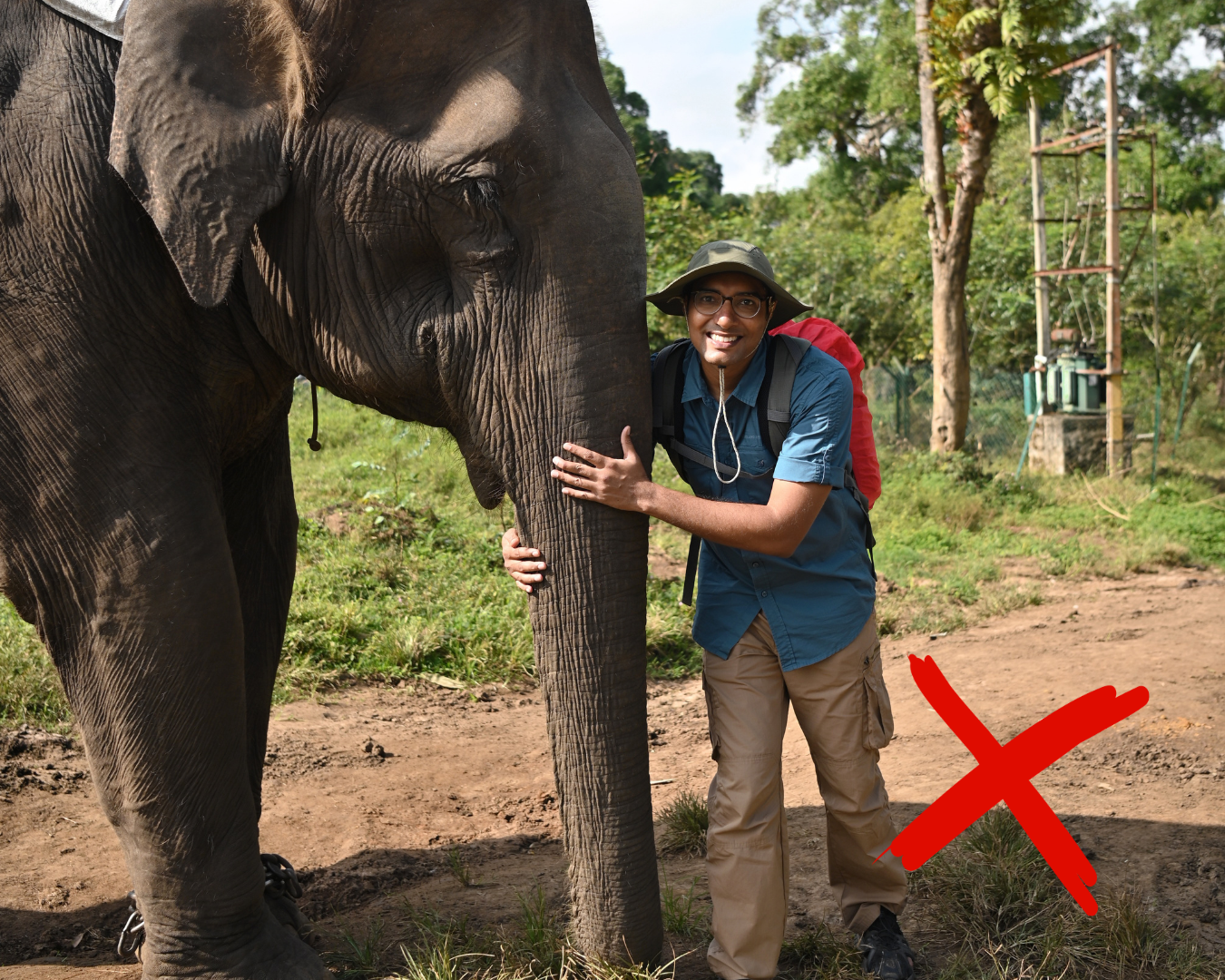
When in doubt, remember, if you can get close to a wild animal, something is going on behind the scenes - even if the said animal comes from a rescue or is 'good-tempered '.
Feeding, bathing, riding, or confining animals so tourists can get close to them — none of these is ethical. This includes elephant bathing and feeding, which are often offered at 'ethical sanctuaries'. Elephants often suffer repeated beating to 'break their spirit' so they can be used for close human encounters. At Kodama, the only ethical sanctuary is one with a no-touch policy.
Sometimes the animal can be a cute one, like a koala, and cuddling them for photos has often been paraded as ethical and sold by sanctuaries. In fact, a koala can become highly stressed in such situations. Just imagine: would you like to be used as a prop and take photos with strangers all day?
Ethical wildlife watching begins with the recognition that the animal in question — its ability to behave naturally, to feed, to rest, to reproduce, to avoid stress and predation — always takes precedence over the quality of the tourist experience.
The animal is wild and free
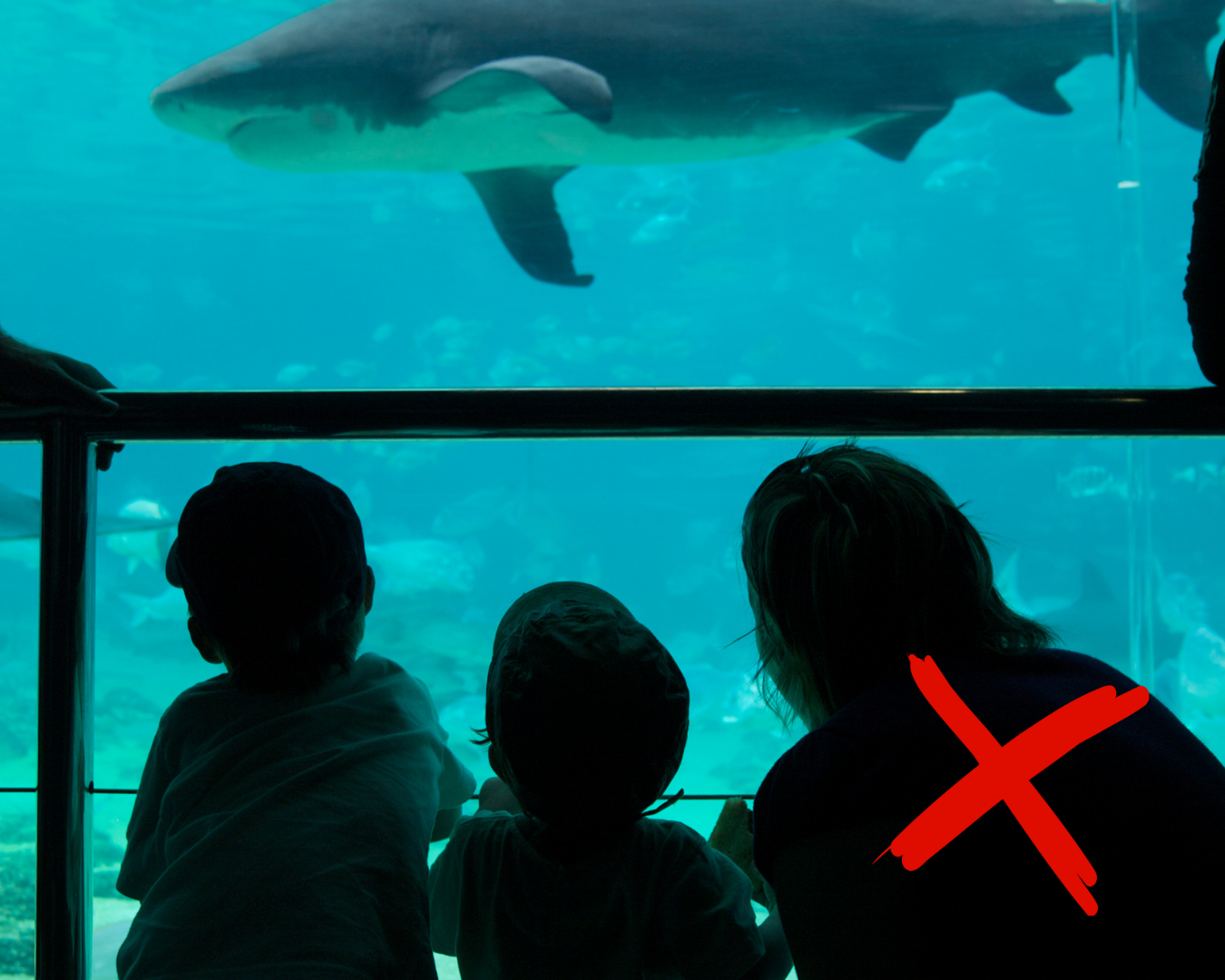
The most fundamental requirement is that you are observing animals in their natural habitat, living natural lives. Any experience that involves an animal being confined, trained, baited, or managed for tourist access fails this test. This rules out most aquariums and zoos (with narrow exceptions for rescue and rehabilitation facilities), captive dolphin and whale shows, elephant bathing and riding, and the many "sanctuary" experiences that involve touching animals in ways that prioritise tourist satisfaction over animal welfare.
Behaviour is not altered
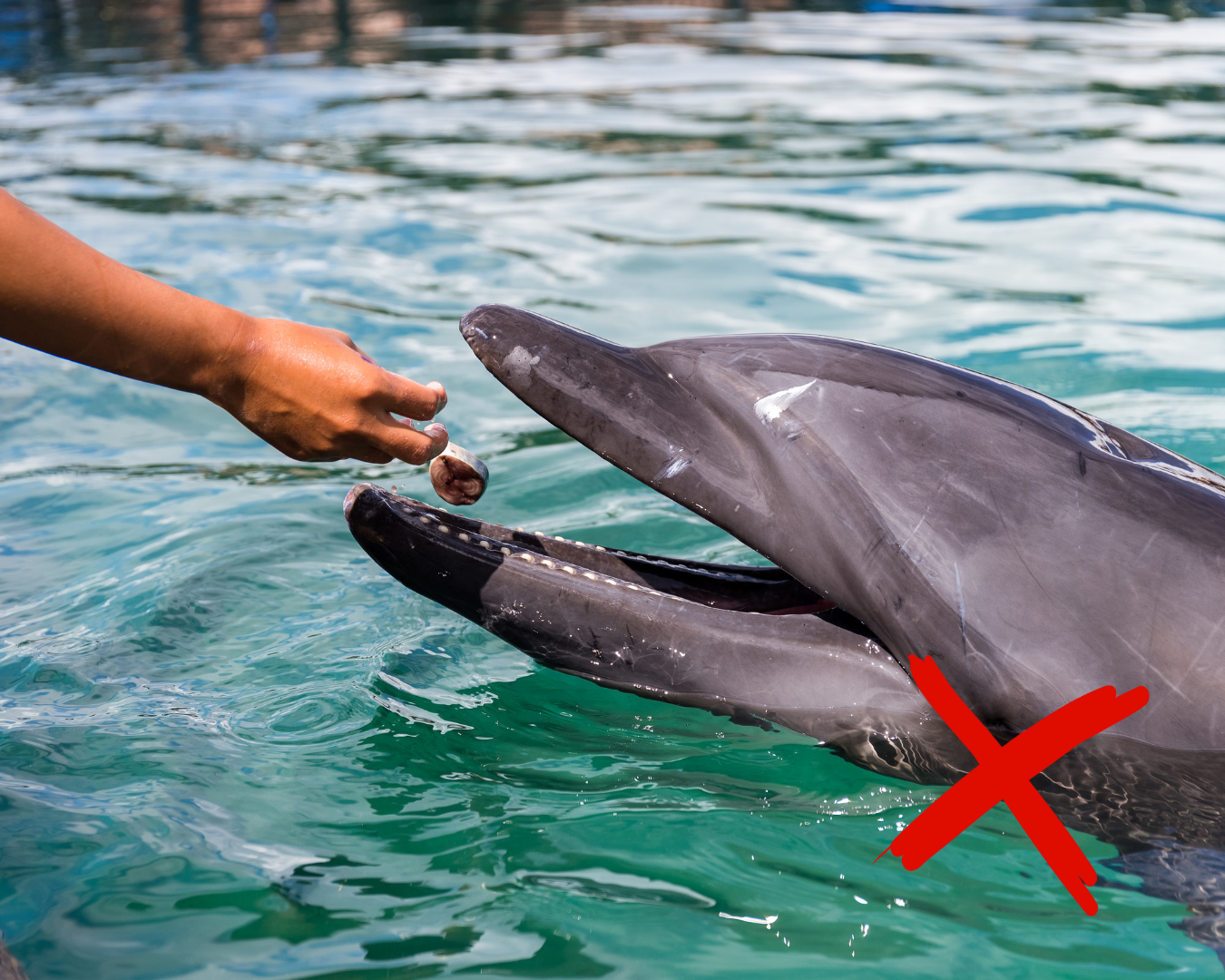
Ethical operators do not feed or bait wildlife to create photo opportunities or use calls or other techniques to lure animals into unnatural situations. Feeding an animal — even once, even with good intentions — alters its behaviour, changes its relationship to humans, and can have cascading effects on the wider ecosystem.
However, we make exceptions for when human rescue is needed, such as providing waterholes during extreme droughts or extra food for endangered species, as the issue was created by humans in the first place, often due to climate change and habitat fragmentation.
Distance and approach are managed
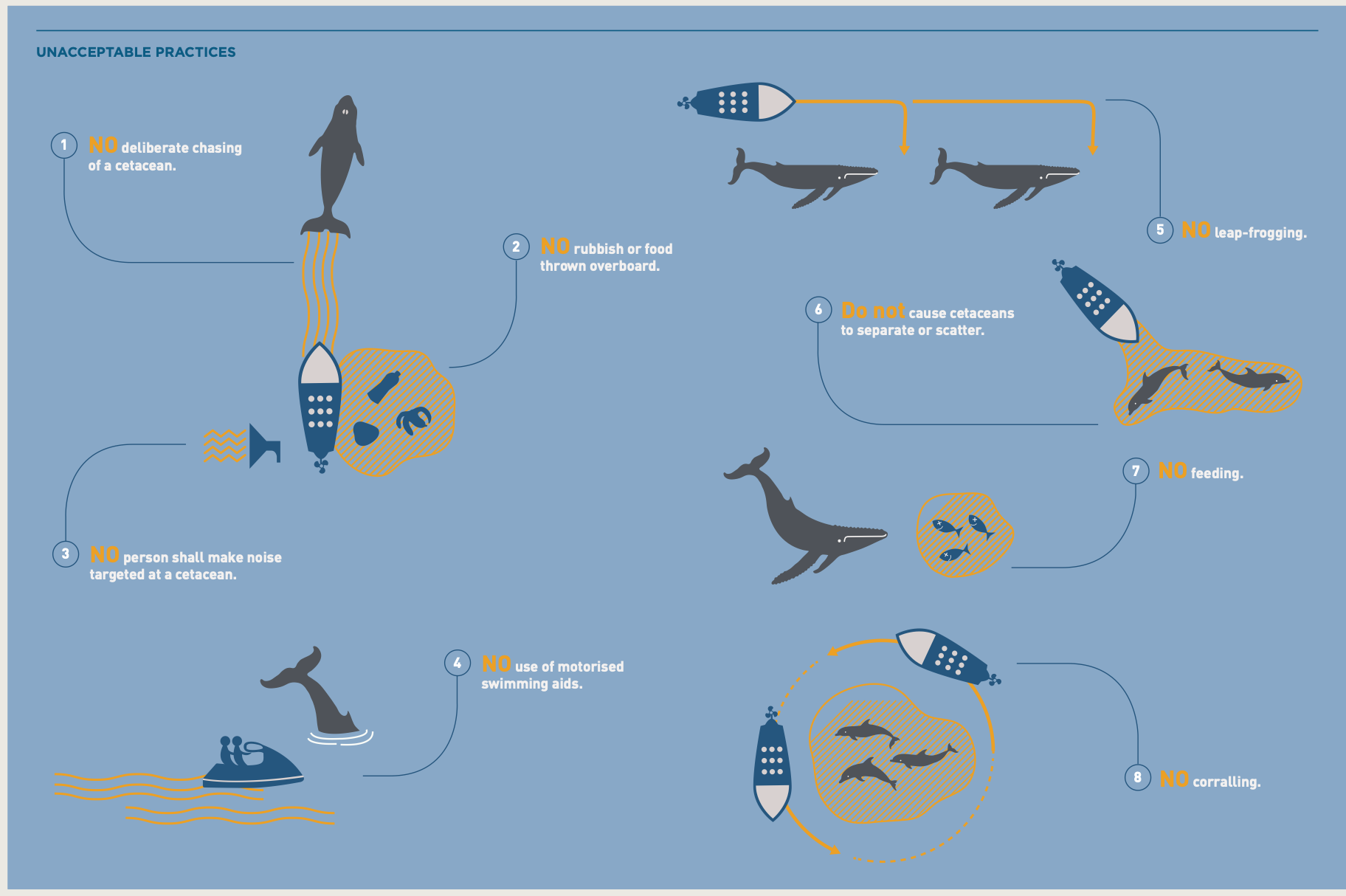
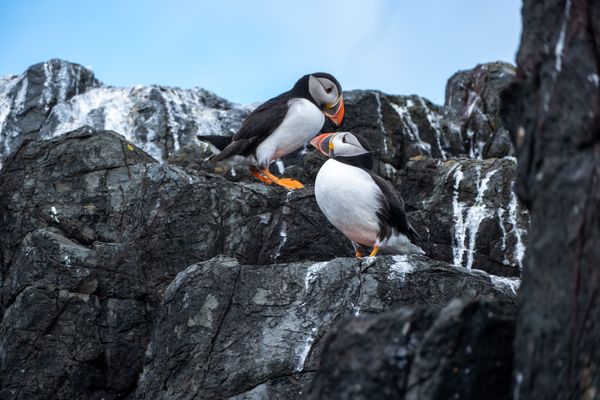
For activities such as whale and dolphin watching, seabird watching and safaris, there are often international guidelines and national regulations governing approach distances, vessel speed, and the number of boats/vehicles permitted in proximity to any individual animal. These include:
- Do not chase animals
- Operate well within the speed limit
- Limit the time spent near the same individual
- Approach slowly and from the side, never from ahead or behind
- Avoid separating mother and calf or groups
Numbers are controlled
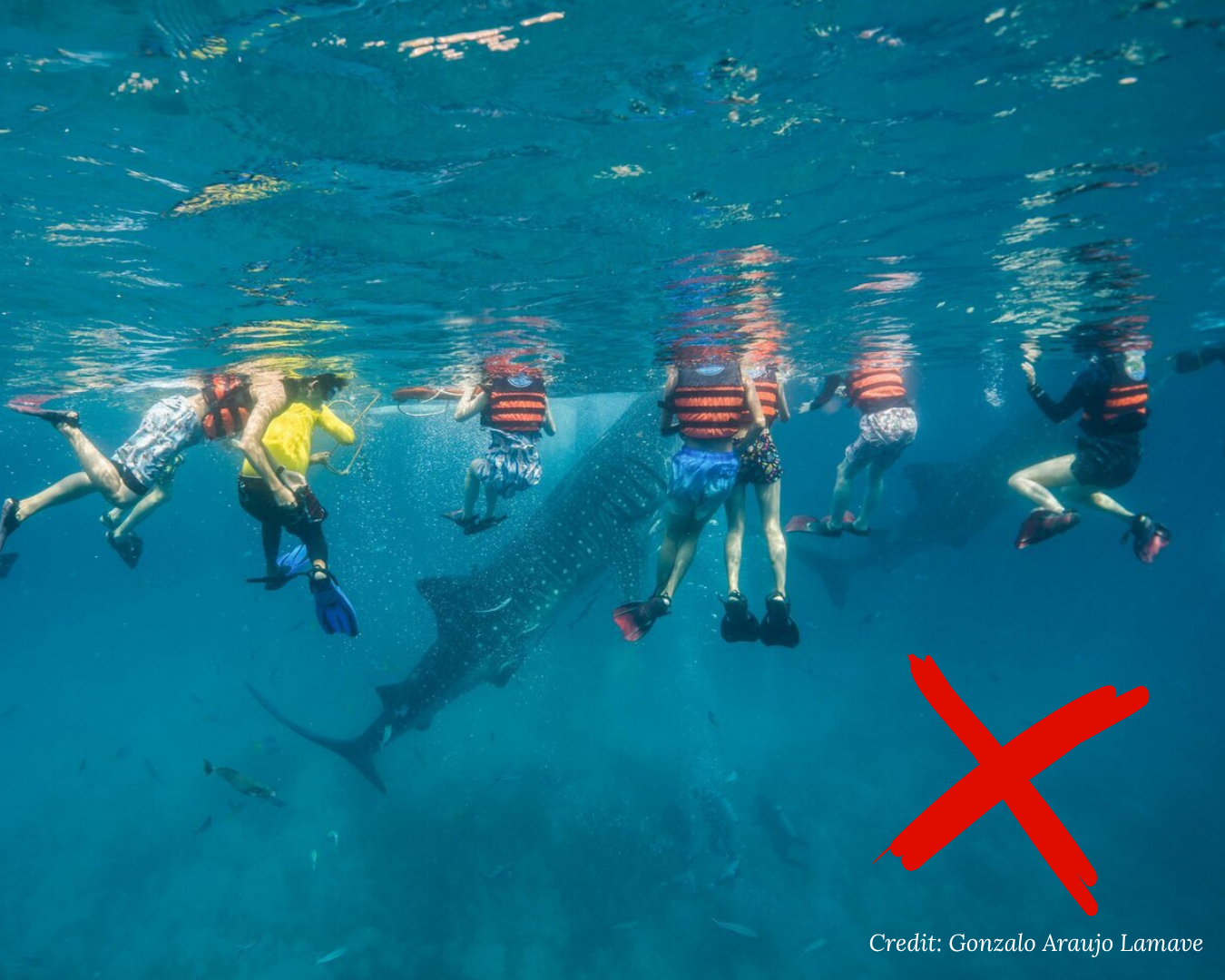
Overcrowding is one of the most common ways in which otherwise well-intentioned wildlife watching causes cumulative harm. A single quiet boat causes minimal disturbance. 20 boats jostling for position around the same whale, drone footage being taken from overhead, and passengers leaning over rails or snorkelling in the water — that is a different matter entirely. Ethical operators cap group sizes and are selective about which sites they visit and how frequently. Most importantly, this should be mandated by the local government to control total tourist numbers.
The experience is grounded in education, not performance
The best wildlife watching guides are naturalists, not entertainers. We have seen first-hand how some operators will exploit biodiversity hotspots, employing guides who pay no regard to the welfare of wildlife. Many tourists may come home feeling satisfied as they have 'ticked the box' by seeing a particular species, but the activity has likely harmed the very wildlife they came to see.
Great guides value a distant glimpse of an animal behaving naturally more than a dramatic close encounter achieved through pressure. If a guide's selling point is that you are guaranteed to see certain animals up close, that is often a red flag.
The problem with certification
Ethical wildlife watching cannot be verified by certification alone. This is something we have encountered repeatedly in our own vetting work at Kodama Travel.
Operators can hold recognised certificates and still sell experiences that fail basic welfare standards. We have seen "ethical" Amazon tour operators — highly rated on TripAdvisor and certified by platforms that claim to vet wildlife tourism — whose photos show guides hand-feeding river dolphins, surrounded by tourists from all sides. We have seen elephant "sanctuaries" endorsed by B Corp-certified travel companies that, while better than outright abusive facilities offering rides and performances, still involve bathing, touching, and close human contact, prioritising the tourist experience over animal behaviour.
Our approach at Kodama is to look past the certificate to the photographic evidence, user-generated content, on-the-ground reports, and, where possible, direct visits. We believe photographs — particularly those shared by tourists rather than operators — are among the most honest signals of what actually happens on a tour.
High-risk geographies
Not all regions carry equal risk. In places where wildlife trafficking is rampant, where regulatory frameworks are weak, or where economic pressure on local communities creates incentives to monetise wildlife in damaging ways, the bar for vetting needs to be higher. This includes widespread use of camels for tourism, where many are ill-treated, with their legs tied at night to prevent them from escaping. In some places, open-air trading of endangered species happens in broad daylight, and tourist operators openly sell illegal catches, such as pangolins.
Some activities are so prevalent that it is almost impossible to find operators we consider responsible. Therefore, we are not operating in some geographies.
How to choose an ethical wildlife watching operator
When assessing a wildlife-watching experience, here are the questions we ask — and that you should, too.
- Does the operator avoid feeding, baiting, or using calls to attract animals?
- Do their photographs show animals at natural distances engaged in natural behaviour (unless the close-ups are shot from telephoto lenses or through binoculars)?
- Do the guides have naturalist or conservation backgrounds?
- Is group size limited?
- Are there clear policies on approach distances, time limits, and vessel speed near wildlife?
- Is there any financial or reputational connection to extractive industries targeting the same species?
- Is the destination becoming unsustainable due to the sheer number of tourists, no matter how an individual operator behaves?
Reviews can be useful, but read them carefully. Glowing reviews describing incredibly close encounters are often not a good sign.
The bigger picture
Wildlife watching, done well, supports communities and conservation. Whilst many think we should 'leave them alone', the reality is they are rarely left alone. Habitats can be destroyed to pave the way for far worse activities, such as ranching, mining, industrial production or agriculture. A community that earns its livelihood from live, free-roaming wildlife has a direct economic incentive to protect it. For example, in Borneo, we are working with NGOs that have changed poachers to wildlife guides - conservation can never happen in a socioeconomic vacuum.
Travel that benefits wildlife is not a slogan - it is a specific set of choices, made at every point in the chain from operator vetting to on-the-ground behaviour. We try to get those choices right, and we are transparent as we continue to figure them out.